Essential amino acids found in bone broths assist muscle repair, collagen formation, immune function, and brain health. This type of broth contains small quantities of calcium, phosphorus, and other minerals important for supporting bone health. It's also high in collagen, courtesy of the connective tissue covering the cooked animal bones. But is bone broth good for you? The truth is simple: though bone broth is safe for most people, its nutritional value depends on the recipe and preparation process, and not everyone gains the same benefits from it. In this post, you'll find out what exactly makes it good for you.
What to Consider Before Adding Bone Broth to Your Diet
While many people testify about the health benefits of bone broth, others have specific dietary requirements and restrictions. Before drinking bone broth, pouring it over grains or drizzling it over vegetables, take a beat to weigh whether including it in your meals will make a positive difference.

Your Sodium Tolerance
Bone broth isn't inherently salty. The cooking process involves simmering animal bones, usually chicken or beef, over low heat for as long as 24 hours (sometimes up to 48, depending on the type of bone used). When making your own bone broth, you may be interested in sprinkling salt for added flavour, but that's optional. The rich liquid offers as much nutrition with or without salt.
Most broths sold in supermarkets will contain salt, though in small quantities ranging from 300 to 600 mg, to enhance the deep, savoury taste that comes from the amino acids (particularly glutamate) released during the long simmer.
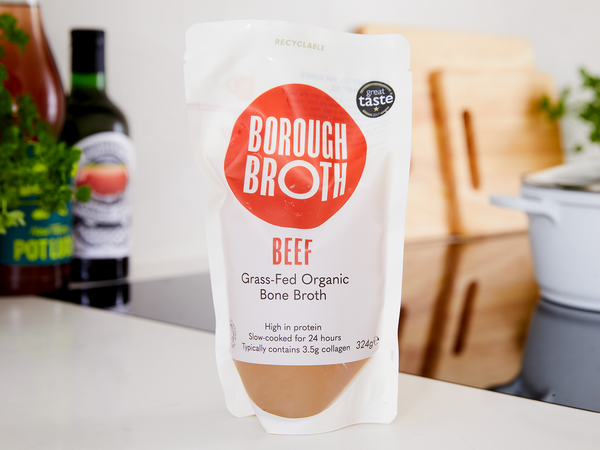
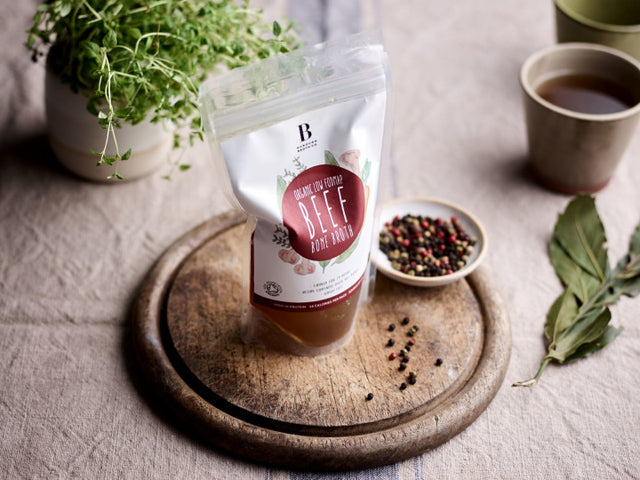
If you’re on a low-sodium diet, check the nutritional contents of any pre-made bone broth before selecting it. Borough Broth Co., our bone broth supplier, keeps the sodium levels in their grass-fed chicken and beef bone broths within the average range. People with strict daily sodium caps who still want to enjoy bone broth’s meaty richness can consider diluting store-bought broth or omitting salt from homemade recipes. For example, 100g of our nutritious, grass-fed organic beef bone broth contains 490 mg of sodium. If you're preparing a carrot and ginger soup and the recipe calls for 400g of bone broth, ladle in 200g of the broth and 200g of water instead.
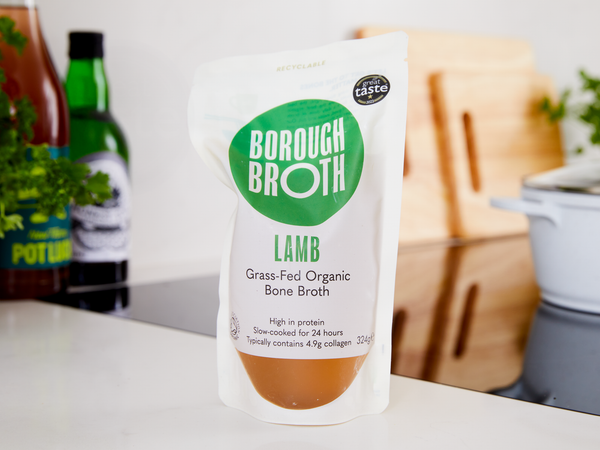
On the other hand, if you tend to underseason your food or engage in activities that make you sweat a lot, e.g., running, bone broth can be a great source of sodium. In fact, you may enjoy the gamey sweetness of higher-sodium options like slow-cooked organic lamb bone broth.
Histamine Sensitivity
Animal bones are covered in connective tissue with high collagen levels, such as cartilage, tendons, ligaments, and skin. Collagen is the most abundant protein in the human body and most animals. As the heat from cooking breaks down collagen into amino acids, there’s ongoing microbial activity that results in the release of histamine. Histamine is something the body usually produces in small amounts to help the immune system respond properly to threats and assist with digestion. It also plays a role in how well you sleep. However, taking in too much histamine can lead to issues like headaches and stomach upsets.
If you haven't had any negative reactions to histamine-rich foods like aged cheeses, sauerkraut, kimchi, cured meats, red wine, or tinned fish, it may be safe to introduce bone broth to your diet.
Gut Health and Digestive Conditions
There’s evidence that bone broth may support gut health. In a 2025 peer review of human and animal studies, published in Digestive Diseases and Sciences, researchers concluded bone broth could reduce inflammation in the intestines, help the body absorb nutrients better, and soothe the digestive tract.
However, not all bone broths offer the same amounts of amino acids. A different study featured in the International Journal of Sport Nutrition and Exercise Metabolism showed that the amino acid contents of a bone broth depend on the recipe used.
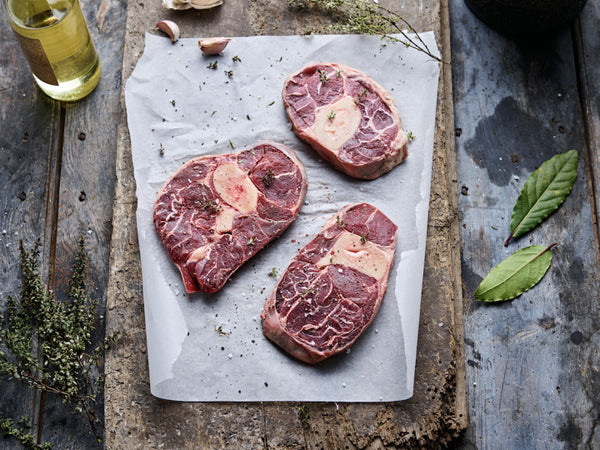
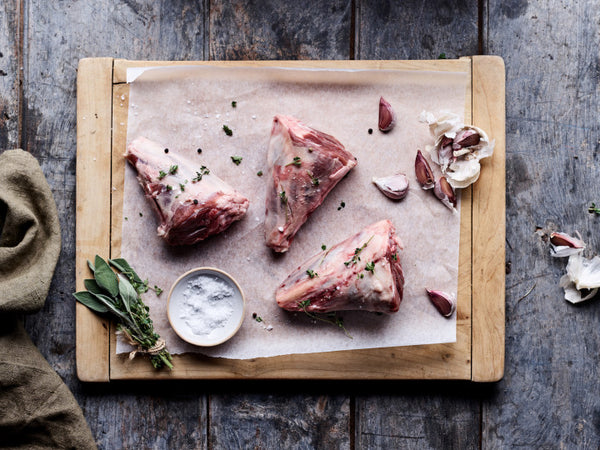
For you, the practical implication is this: consuming bone broth can be one of the ways to improve gut health, but it can't do all the work needed on its own. You still need to eat collagen-rich foods such as organic chicken skin, beef osso bucco, duck giblets, lamb shanks, and salmon frames to ensure your body is getting enough collagen.
Although the 2025 peer review also said bone broth could ease IBS symptoms, ethically conscious shoppers may prefer to start with organic low-FODMAP chicken and beef broths. Low-FODMAP options are brewed specifically for people with sensitive digestive systems. In our own, we leave out common irritants like onion and garlic but keep the same natural, high-quality ingredients that lend depth to our standard broths.
Kidney and Joint Health
As animal bones cook in simmering water, the cartilage and connective tissue release collagen, glucosamine, and chondroitin sulphate. Scientific research has demonstrated that all three can individually boost joint health. From a 2025 review of 36 randomised controlled trials, Brueckheimer and other distinguished medical analysts found that increasing one's collagen intake reduced joint pain and made it easier to move around.
Another 2025 systematic review in Nutrients confirmed glucosamine and chondroitin were useful for managing joint pain and treating osteoarthritis.
More research is needed to prove how collagen, glucosamine, and chondroitin sulphate present in bone broth specifically promote joint health. But the available evidence suggests taking bone broth won't negatively affect the joints.
Besides collagen, glucosamine, and chondroitin, bone broth is a source of minerals including potassium, phosphorus, and magnesium. When your kidneys are healthy, they filter out excess quantities of these minerals without any problems. But a struggling kidney may not be able to flush out extra mineral content fast enough, so it piles up inside the body and causes health issues. Too much phosphorus, for example, sucks calcium from the bones while excess potassium isn't great for the heart. It's alright to love bone broth so much that you want to consume it daily, but speak with your doctor before committing to a daily cup if you're managing kidney illness.
Bone Source
Bone broth may be good for you if the bones used come from ethically-raised animals with access to clean spring water. On the other hand, bone broth made with bones from animals raised near contaminated land may contain heavy metals. Our bone broth partner, Borough Broth Co., sources organic chicken stock bones from free-range birds and beef stock bones from grass-fed cattle.
Your Nutritional Goals
The nutritional value of a 100g bone broth serving can include 2–6g protein, 500–600mg carbohydrates, and up to 500mg fibre. When aiming for a diet rich in any or all of these nutrients, you may use bone broth to reach your recommended daily intake. Don't get carried away by the broth's smoothness and substitute large portions for actual food. You still need a balanced diet with enough sources of essential nutrients, including vitamin D, calcium, omega-3 fatty acids, and dietary fibre.

Bone Broth Recipes for Specific Dietary Needs
We understand that standard bone broths aren't suitable for everyone. If you'd still love to eat bone broth but are hesitant because of its histamine or sodium content, we encourage you to try these recipes.
Low-Sodium Ginger and Lemon Sipping Broth
Ingredients
- 200g organic bone broth
- 200g water
- A thumb-sized piece of fresh ginger, peeled and sliced into thin rounds
- Half a lemon
- A pinch of ground black pepper
- A few sprigs of fresh thyme (optional)
How to Prepare
- Pour equal quantities of organic bone broth and water into a saucepan.
- Add ginger slices and let the liquid simmer on low heat for up to 5 minutes.
- Turn off the heat and strain out the ginger slices.
- Squeeze in lemon juice and sprinkle black pepper.
Quick-Cook Bone Broth for Histamine Sensitivity
The main reason why bone broth has so much histamine is its long cooking time. Low-histamine recipes cut cooking time by more than 90% while still extracting as many nutrients as possible from the bones and other ingredients.
Ingredients
- 500g organic bones
- Approximately 2–3 litres of water
- 1–2 tablespoons of an acidic ingredient like apple cider vinegar (to extract more minerals from the bones)
- Vegetables, e.g., carrots, celery, etc. (Optional)
- Herbs and spices, including thyme, rosemary, oregano, and basil (Also optional)
- Salt (Optional too)
How to Prepare
- In a pressure cooker, assemble the bones and any extra ingredients you selected.
- Add enough water to cover everything.
- Close the lid and cook the broth on high pressure for 60 to 90 minutes.
- After the time is up, leave the cooker untouched for 15 minutes to release pressure naturally, then turn the steam valve to release the rest.
- Skim away fat floating on the surface of the broth.
- Strain the broth through a fine mesh sieve or cheesecloth.
Tip: Roast bones before cooking for extra flavour.
When You Want the Health Benefits of Bone Broth But Need an Alternative
Staying away from bone broth may be the right move for your health if:
- You're conquering chronic kidney disease by cutting down on your intake of phosphorus, potassium, and sodium.
- Severe histamine intolerance won't allow you to enjoy even short-cooked broth.
- Bone broth doesn't fit into your medically-supervised diet.
Alternatives to bone broth for people in these boats include collagen-rich foods like chicken necks and other proteins, including chicken breasts and lamb loins.
Frequently Asked Questions
What Are the Side Effects of Bone Broth?
Bone broth doesn't have any side effects. Some of its ingredients can make it impractical for people with specific conditions to consume.
What Kind of Bone Broth Is Healthiest?
All types of bone broth are equally healthy, especially if they're brewed from organic bones. Limit your daily consumption based on your personal nutritional needs.
Does Bone Broth Help Lose Belly Fat?
A 2025 clinical trial published in Clinical Nutrition Open Science found that participants who added bone broth to their diet lost weight and built more muscle mass. However, this trial focused on general weight loss, not specifically on belly fat reduction. Studies have yet to explore the effects of combining a bone broth diet with resistance training for muscle maintenance. We're on the lookout for more research on whether bone can aid fat loss in the belly.
What Is the Best Time to Drink Bone Broth?
There’s no single best time of the day to drink bone broth. You can drink it first thing in the morning, sip it throughout the day, pair it with your lunch, or have it in the evening before bed.
Conclusion: Bone Broth May Be Good for You
Bone broth can be an excellent addition to your diet, but whether it's good for you depends on your body's needs and how the broth was made. For most people, it's packed with nutrients that protect the digestive tract and support nutrient absorption. Others may need to adjust their broth intake based on their health requirements.
References
- Alcock, R. D., Shaw, G. C., & Burke, L. M. (2019). Bone Broth Unlikely to Provide Reliable Concentrations of Collagen Precursors Compared With Supplemental Sources of Collagen Used in Collagen Research. International Journal of Sport Nutrition and Exercise Metabolism, 29(3), 265–272.
- Baden, K. E. R., Hoeksema, S. L., Gibson, N., Gadi, D. N., Craig, E., Draime, J. A., Tubb, S. M., & Chen, A. M. H. (2025). The safety and efficacy of glucosamine and/or chondroitin in humans: A systematic review. Nutrients, 17(13), 2093.
- Brueckheimer, P. J., Silva, T. C., Rodrigues, L., Zague, V., & Isaia Filho, C. (2025). The effects of type I collagen hydrolysate supplementation on bones, muscles, and joints: A systematic review. Orthopedic Reviews, 17.
- Doma, K. M., Moulin, M., Al-Wahsh, H., Guthrie, N., Crowley, D. C., & Lewis, E. D. (2025). An open-label clinical trial to investigate the safety and efficacy of a bone broth diet on weight loss in adults with obesity. Clinical Nutrition Open Science, 61, 282–296.
- Matar, A., Abdelnaem, N., & Camilleri, M. (2025). Bone broth benefits: How its nutrients fortify gut barrier in health and disease. Digestive Diseases and Sciences, 70(6), 1951–1961.