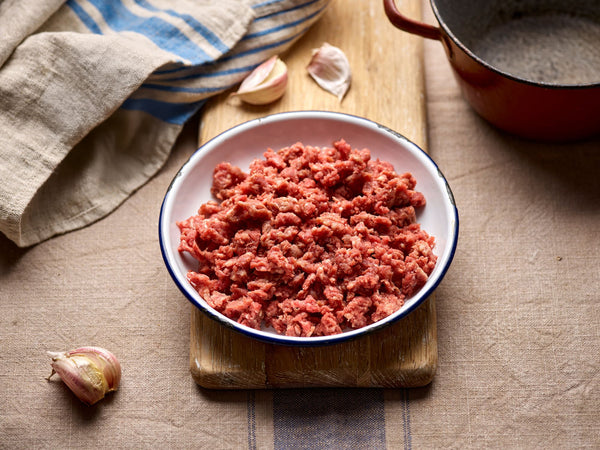
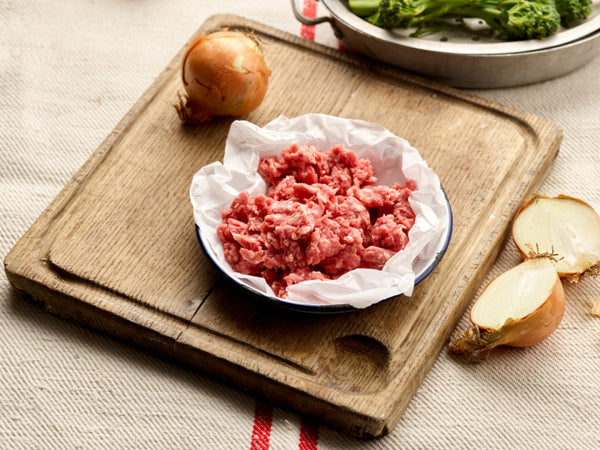
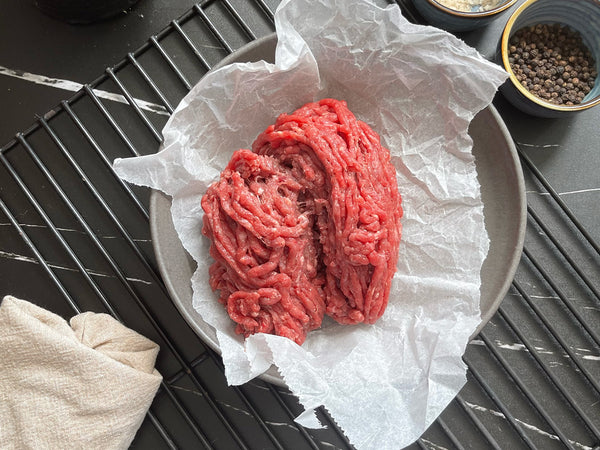
Beef mince is very versatile, yet the wrong seasoning can make it taste bland, too spicy, or just messy. The perfect seasonings for beef mince include salt, black pepper, garlic, onion, paprika, cumin, and oregano. From here, the perfect mix depends on the kind of meal you’re going to prepare. Oregano goes well with bolognese, cumin is ideal for tacos and chilli, while rosemary and thyme will add that familiar warm touch to cottage pie.
Seasoning your beef mince is all about enhancing its natural savoury taste, not masking it. You have to start with high-quality, tasty organic beef steak mince, and then add a combination that enhances its rich beefy flavor. Below is the list of some of the best spices that will go perfectly with your beef mince.

Best Spices for Beef Mince At a Glance
The most versatile beef mince seasoning includes salt, black pepper, garlic powder and onion powder. You'll be able to get a good base seasoning without leaning too much towards any specific cuisine.
The Core Beef Mince Seasonings
Here are some of the main seasonings you'll need when cooking ground beef:
- Salt: Brings the savoury character of beef forward. Start cautiously if the recipe also contains stock, cheese, soy sauce or Worcestershire sauce.
- Black Pepper: Adds fragrant heat without changing the flavour of the beef mince. Usually, freshly ground pepper tastes more lively than pre-ground pepper.
- Granulated Garlic: Distributes easily through mince and adds the depth of flavour without any danger of having pieces of fresh garlic stuck in a hot pan.
- Onion Powder: Adds subtle sweetness and round flavouring note. This is especially useful for burgers and meatballs, where fresh onion pieces can alter the texture.
- Paprika: Adds mild earthiness and attractive colour to the beef. Smoked paprika adds a smoky flavour to dishes such as chilli, burgers and tacos.
- Cumin: Many chefs add cumin because it’s warm, earthy and nutty. This is a key ingredient of many Tex-Mex, Indian or Middle Eastern-influenced seasonings.
- Chilli Powder, Cayenne Pepper, and Red Pepper Flakes: These provide adjustable heat. Chilli powder can be much hotter than the mild seasoning blends, so check the packaging before adding it.
- Coriander: Has a citrus-led, lightly floral taste that balances the heavier warmth of cumin.
- Oregano, Thyme, and Rosemary: These are some of the best herbs for beef mince. Oregano suits tomato sauce and meatballs, thyme works beautifully in pies and stews, and rosemary lends a resinous, woodland note to slow-cooked dishes.
If you want the best results, start with high-quality grass-fed beef, ground to perfection by expert butchers. At the Organic Butchery, our organic beef mince is a treat to eat in all your favourite recipes. Finely minced for amazing texture, we add just 10%-20% fat to bring flavour and succulence, and use really good cuts. You'll see the difference when you cook it.
Quick Pairing Table
| Dish | Main Spices and Herbs | Result |
| Bolognese or tomato sauce | Garlic, oregano, basil, black pepper | Aromatic and savoury |
| Tacos | Cumin, smoked paprika, chilli, oregano | Earthy and smoky |
| Burgers | Salt, pepper, garlic, onion, paprika | Beef-led and balanced |
| Chilli | Cumin, chilli, paprika, coriander | Warm and full-bodied |
| Cottage pie | Thyme, rosemary, black pepper | Traditional and herbaceous |
| Keema-style mince | Cumin, coriander, turmeric, garam masala | Warm and aromatic |

Six Seasoning Blends for Ground Beef Dishes
The quantities below are starting points for 500g of beef mince. Consider the salt already present in stock, sauces and cheese before adjusting the finished dish.
1. Simple All-Purpose Seasoning Blend
Mix:
- 1 teaspoon salt
- ½ teaspoon black pepper
- 1 teaspoon garlic powder
- 1 teaspoon onion powder
- 1 teaspoon sweet paprika
This straightforward spice blend is perfect for burgers, meatballs, stuffed peppers and everyday mince dishes. It seasons the meat without distracting from its natural flavour.
2. Smoky Taco Seasoning
Mix:
- 2 teaspoons ground cumin
- 2 teaspoons smoked paprika
- 1 teaspoon mild chilli powder
- 1 teaspoon garlic powder
- ½ teaspoon dried oregano
- Cayenne pepper to taste
This taco seasoning produces earthy warmth with a gentle smoky edge. Many recipes use close to three tablespoons of taco seasoning per 450g-500g of meat, but blends vary considerably in salt and chilli content. Start with two tablespoons, cook, taste and add more as needed.
3. Italian Tomato-Sauce Blend
Combine dried oregano, basil, garlic powder and black pepper. A small pinch of crushed fennel seed can add a subtle sweetness reminiscent of Italian sausage seasoning.
Add dried herbs early enough for them to soften in the tomato sauce. Fresh herbs need different treatment. Stir fresh basil or parsley through shortly before serving so their brighter flavour isn’t lost.
4. Middle Eastern-Inspired Blend
Use cumin, coriander and paprika, followed by a very small pinch of cinnamon or allspice. Finish the cooked meat with parsley or mint.
This blend is perfect for kofta-style patties, meatballs, flatbreads and rice bowls. Cumin provides an earthy foundation, while coriander and herbs stop the beef from tasting too heavy.
5. Keema-Style Blend
Season the mince with cumin, coriander, turmeric, garam masala and chilli, supported by fresh ginger and garlic. This is a flexible Indian-inspired mixture rather than one definitive keema recipe.
Cook the mince with onion and tomato, then add peas or finely diced vegetables. Garam masala is often most fragrant when some is stirred in towards the end of the cooking process.
6. Traditional Herb Blend
Combine thyme, rosemary, sage, black pepper and onion powder. Use rosemary with restraint because its flavour can quickly dominate finely minced meat.
This blend is particularly good in cottage pie, meatloaf or a quick beef stew. A little mustard powder can supply extra warmth without making the dish taste strongly of mustard. For 500g beef mince, begin with around 1½ tablespoons of a salt-controlled seasoning blend. Add more only after the sauce, stock and other savoury ingredients have been incorporated.

How to Season and Cook Beef Mince Properly
Even a well-measured seasoning blend can’t compensate for a crowded pan. If the mince releases too much water and begins to steam, it won’t develop the browned surface that gives cooked beef its deep, savoury taste.
Brown the Meat Before Adding Spices
- Heat a wide, heavy frying pan over medium-high heat.
- Add the beef in a single layer, working in batches if necessary.
- Leave it briefly before breaking it apart with a wooden spoon.
- Let excess moisture evaporate and allow the meat to brown between stirs.
- Add the dry spices once the beef is browned or nearly browned.
- Stir for 30-60 seconds before adding tomato paste, tomato sauce, stock, or other liquids.
Bloom Ground Spices Carefully
“Blooming” simply means warming spices briefly in fat to release their aromatic compounds. Once the meat has browned, the rendered beef fat provides a good base for this.
Keep the heat moderate and stir continuously. Add olive oil or whatever you’re using promptly because paprika, chilli powder, garlic powder and ground cumin can turn bitter if they catch on the pan.
Add Herbs at the Right Time
Dried oregano, thyme, rosemary and bay leaves benefit from time in the pan or sauce. They absorb moisture and gradually release their flavour.
More delicate fresh herbs, including parsley, dill, mint and basil, are best stirred through at the end. Taste the seasoned ground beef only after adding salty flavour boosters such as Worcestershire sauce, soy sauce, stock or cheese.
Use a Sensible Starting Quantity
Around 1½-2 tablespoons of total seasoning per 500g is a practical starting range for a full, salt-controlled mixture. Treat pure salt, cayenne and concentrated chilli powder separately, as much smaller quantities may be sufficient.
For burger mince, add salt close to cooking. Mixing it in too early can draw out proteins and give the patties a tighter, sausage-like texture.

Start with Beef Worth Seasoning
At the Organic Butchery, our meat is certified organic because we source with close attention to farming standards, animal welfare and traceability. Our skilled butchers prepare each cut in-house with care and respect, supported by a nose-to-tail butchery philosophy that values more of every animal. Read our guides on what is organic meat and what does organic mean to understand the standards behind the label.
Cooking another mince other than beef? Cumin, coriander, mint and a little cinnamon work particularly well with our organic lamb mince. Sage and fennel suit our organic pork mince, while you can season wild venison mince with juniper, rosemary and black pepper.

Frequently Asked Questions
What's the Best All-Purpose Seasoning for Beef Mince?
A simple blend of salt, black pepper, garlic powder, onion powder and sweet paprika works well for most recipes. Mix the spices in a small bowl before adding them to the beef for even seasoning. This versatile combination is ideal for burgers, meatballs, cottage pie and pasta sauce.
Should I Season Beef Mince Before or After Browning?
When making loose beef mince, brown the meat and then add the spices after the moisture has evaporated from the meat. This will allow the seasoning to add depth of flavour and the beef to brown properly. Use the salt when preparing burgers and add it just prior to cooking to ensure the beef remains tender.
Which Are the Best Herbs for Tomato-Based Beef Mince?
Tomato-based beef dishes go well with a perfect blend of oregano, basil, thyme and parsley. You can add dried herbs while the sauce is simmering, then finish with fresh basil and parsley or a handful of thyme for a fresher flavour.
Can I Use Taco Seasoning With Beef Mince?
Yes. Beef mince is perfectly suited for tacos, burritos, and rice bowls, and taco seasoning is the best for these dishes. Use approximately 2 tablespoons taco seasoning for every 500g, depending on your favourite flavour. Some homemade taco seasoning recipes also call for a small amount of cornstarch to help the seasoning stick to the meat and keep it moist.
How Can I Make Beef Mince Taste Richer?
Fry the mince until it browns well before adding spices, and then mix in the spices for 30 seconds to release the spice aroma. Add depth with a spoonful of tomato paste, Worcestershire sauce or soy sauce. Finish with a pinch of black pepper, and taste before adding more salt if needed.
How Long Can I Store Homemade Beef Seasoning?
Keep the seasoning mixture in a cool, dry spice cabinet in an airtight container for up to 6 months. Store out of direct heat and moisture to maintain the flavour, and date the jar to mark the manufacturing date.
Conclusion
Salt, black pepper, garlic, and onion always constitute a dependable starting point for beef mince. Cumin, paprika, and chilli will complement your smoky or spicy meals, whereas oregano, thyme, rosemary, and basil are more appropriate for tomato sauces, meatballs, and typical pies.
Make sure that you have properly browned the beef before adding spices to achieve the desired flavour. Add the ground spices, like oregano, thyme, and rosemary, to cook on the rendered fat first. Then finish with fresh herbs like parsley and dill just before serving to preserve their fresh flavour. Start with a modest amount of seasoning, taste the finished dish, and adjust if needed.