The craft

Learn about traditional butchery

Where your meat comes from, how it's raised, and why hand-cutting by skilled butchers makes a difference you can taste. Explore the cuts, the farming, and the craft behind every order.

Know your cuts

An interactive guide to every cut

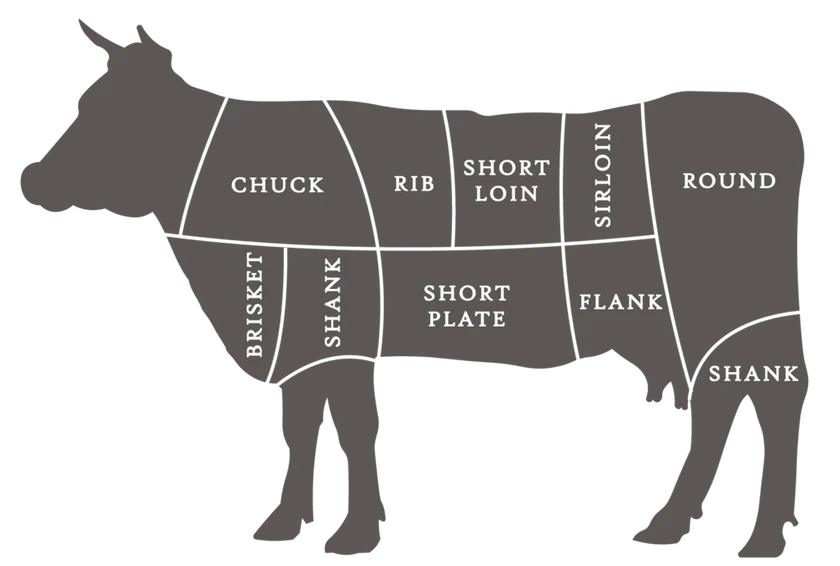
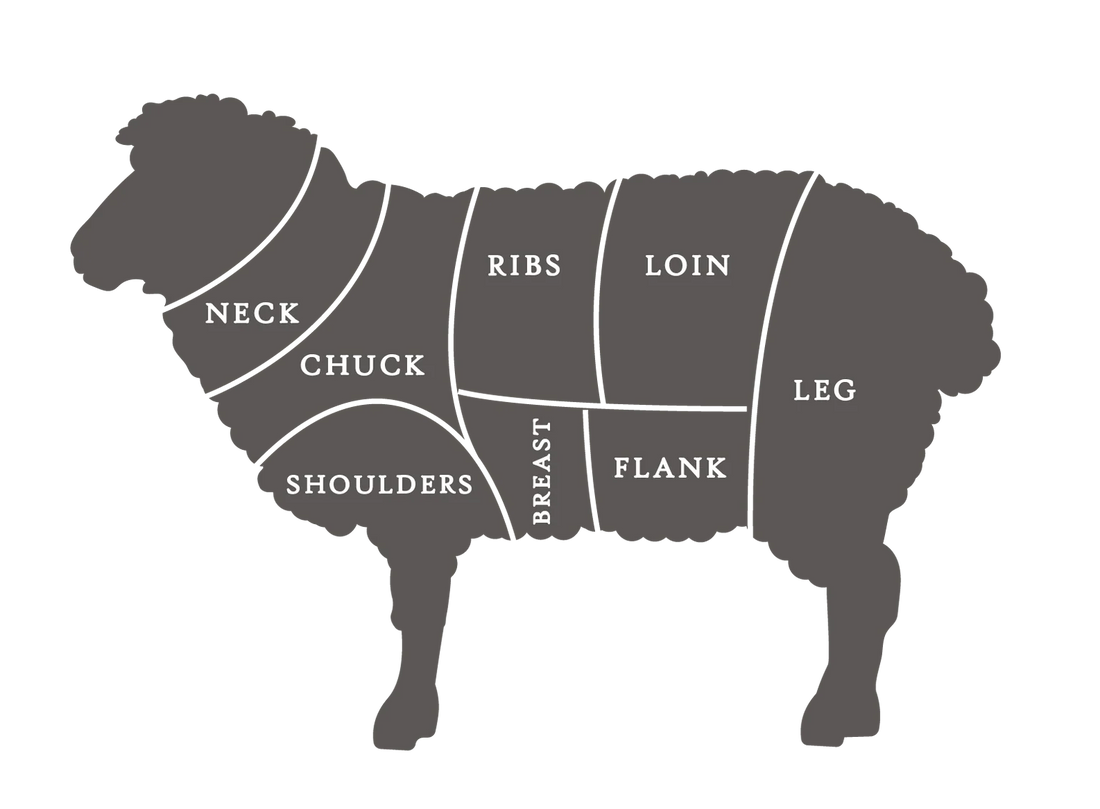
Tap a point on the diagram to learn where each cut comes from, how it eats, and shop it in a click.

Beef diagram
Back RibChuck (Shoulder)

Deeply flavoured with generous marbling. Best cooked low and slow, becoming wonderfully tender with meat that pulls easily from the bone.

Shop this cut
RibeyeThe rib section, along the upper back.

Rich, tender and full of flavour, with generous marbling that melts as it cooks.

Shop this cut
BrisketLower chest

Tough and richly flavoured — made for low, slow cooking until it falls apart.

Shop this cut
RumpHindquarter, above the leg

Big, beefy flavour with a firmer texture — best served pink.

Shop this cut

Tap the dots to explore each cut

Lamb diagram
RackThe ribs

Tender and delicate — the prime roasting cut, elegant as cutlets.

Shop this cut
LegHind leg

Lean and full-flavoured — the classic Sunday roast.

Shop this cut
Neck RingsThe upper neck, closest to the head.

Rich and deeply flavoured, with connective tissue that becomes beautifully tender when cooked slowly.

Shop this cut

Tap the dots to explore each cut

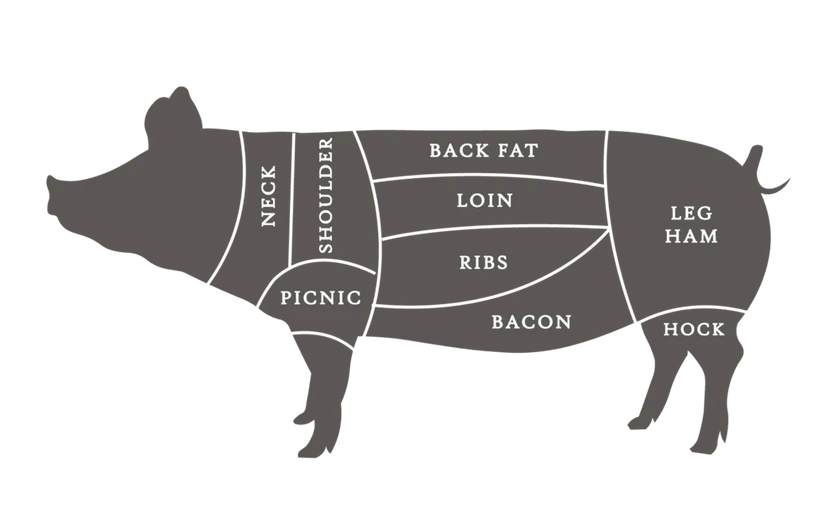
Pork diagram
LoinAlong the back

Lean and versatile — chops, roasts and the best crackling.

Shop this cut
BellyUnderside

Layered fat and meat — slow-roast for crisp skin and melting flesh.

Shop this cut
Boston ButtFront leg

Marbled and rich — the pulled-pork cut.

Shop this cut

Tap the dots to explore each cut

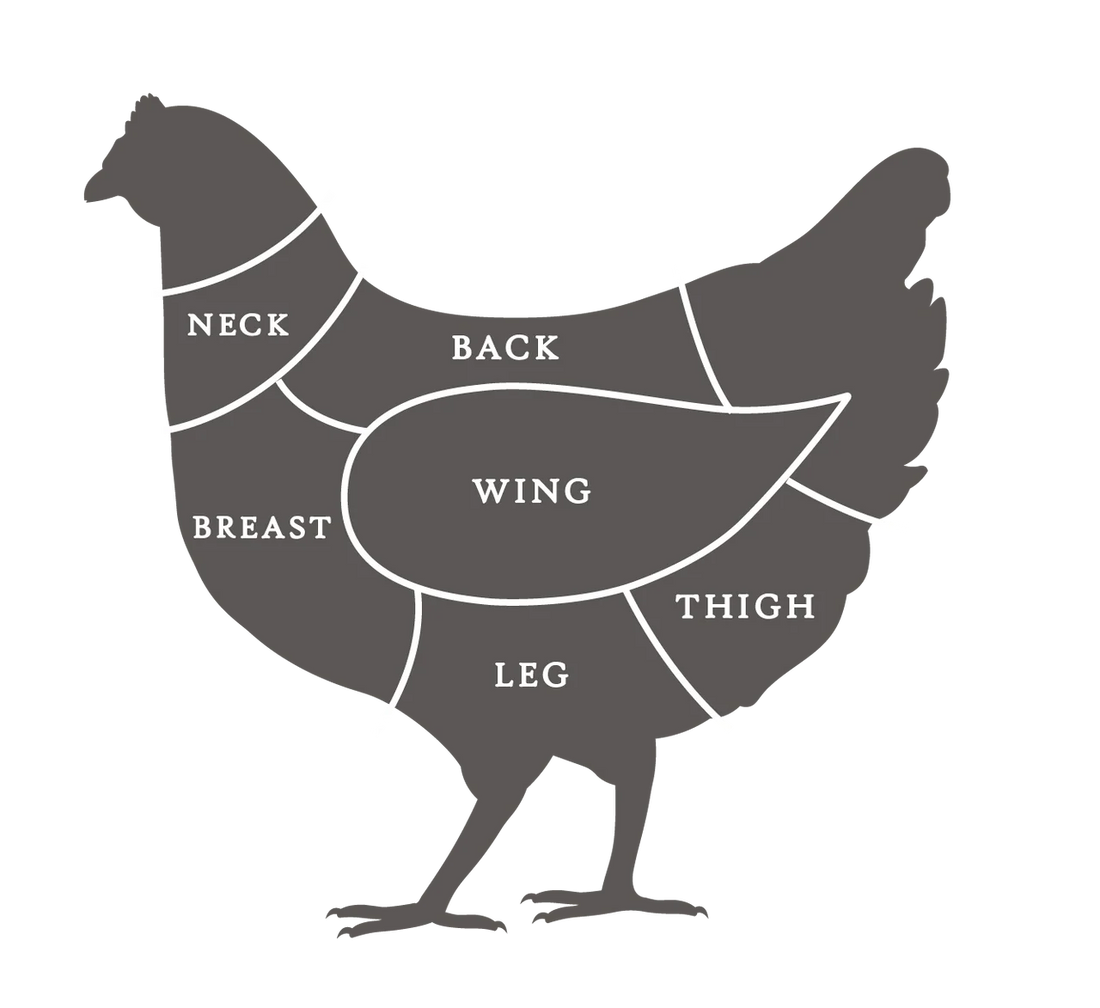
Chicken diagram
BreastThe front

Lean and mild — quick to cook, easy to dry out, so treat it gently.

Shop this cut
ThighUpper leg

Darker, juicier and more flavoursome — forgiving and hard to overcook.

Shop this cut
WingThe pinion

All skin and bone in the best way — roast or fry until crisp.

Shop this cut

Tap the dots to explore each cut

How our animals are raised

The difference is in how they're raised.

Organic farming isn't just a label — it's a slower, kinder way of raising animals that you can taste on the plate.

Traditional organic Conventional
Growing time Slower-growing breeds, raised to maturity Fast-growing breeds, rushed to weight
Time outdoors Free to roam pasture and range Often housed indoors year-round
Diet Natural, organic feed and forage Intensive feed with routine additives
Welfare High-welfare, independently certified Minimum legal requirements
The result Deeper flavour, better texture, richer fat Uniform, milder, wetter meat

Certified by the Soil Association — the UK's most rigorous organic standard.

What they eat

You are what they eat.

Diet is the single biggest driver of flavour, colour and fat quality. Here's how we feed each species.

Beef & lamb

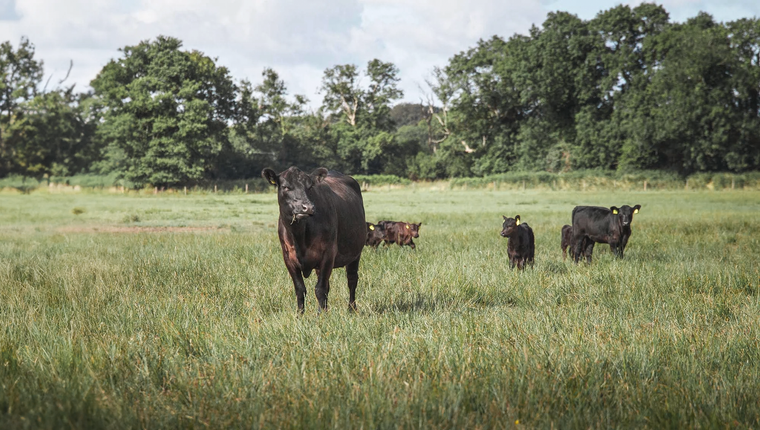
Grass-fed and pasture-grazed

Our cattle and sheep spend their lives on grass and forage. That slow, natural diet builds deeper-coloured meat, firmer texture and golden, flavourful fat — the hallmarks of properly raised beef and lamb.

Pork & chicken

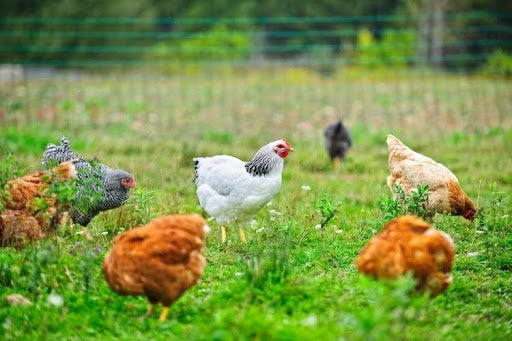
Organic-fed and free to range

Our pigs and birds are fed a certified-organic diet and given room to roam. No growth promoters, no shortcuts — just animals raised at their own pace, which shows in the taste and the quality of the fat.

Marbling & ageing

What makes great beef great.

Marbling

Fat is flavour

Those fine white threads running through a steak are intramuscular fat — marbling. As the meat cooks, it melts and bastes from within, keeping it juicy and carrying flavour. More marbling means a richer, more tender bite.

Dry ageing

Time is the secret ingredient

Dry ageing hangs beef in a cool, controlled room for weeks. Moisture evaporates to concentrate the flavour, and natural enzymes break down the muscle to tenderise it. The result is a deeper, almost nutty flavour you simply can't rush.

28 days our beef is dry-aged

Traditional butchery

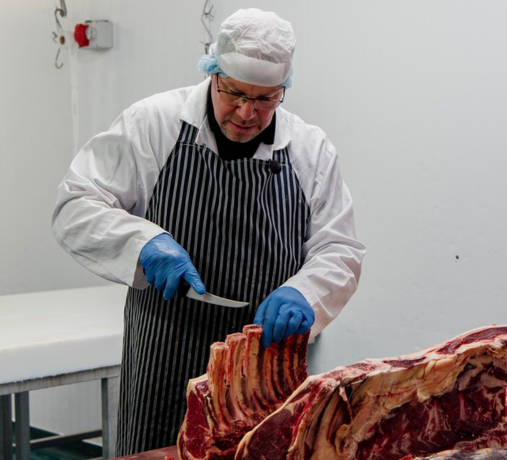
Hand-cut, nose to tail, by butchers who've earned the block.

Every cut is prepared by hand, not machine. Whole-animal butchery means we use every part with respect — less waste, more skill, and cuts prepared exactly as they should be. It's the difference between meat that's been made and meat that's been mass-produced.

Meet our butchers
From farm to fork

The journey to your plate

Farm

Certified-organic British family farms raise the animals slowly and properly.

Butchery

Our butchers cut every order by hand, fresh, the morning it ships.

Your door

Chilled in recyclable, temperature-controlled packaging — straight to your fridge.

Common questions

Butchery, explained

Which steak is the most tender?

Fillet is the most tender by far — lean and buttery-soft, though milder in flavour. If you want tenderness with more taste, ribeye is the sweet spot thanks to its marbling.

What's the difference between sirloin and ribeye?

Both come from along the back. Ribeye (from the fore rib) is more marbled, richer and more tender. Sirloin (further back) is leaner and firmer with a distinct strip of fat and a cleaner, beefy flavour.

What is marbling?

Marbling is the fine fat woven through the muscle of a cut. It melts as the meat cooks, keeping it juicy and carrying flavour — which is why well-marbled meat tastes richer and eats more tender.

Why is dry-aged beef more expensive?

Dry ageing ties up beef in a controlled room for weeks, during which it loses weight to evaporation and needs trimming — so more raw beef goes into every kilo you buy. You're paying for that loss, the time, and the deeper flavour it develops.

Why choose organic meat?

Organic means slower-growing breeds, more time outdoors, a natural diet and higher welfare — all independently certified. Beyond the ethics, it's the reason the meat has better flavour, colour and fat quality.

Ready to taste the difference?

Now you know your cuts.

Put it into practice with a box of properly raised, hand-cut organic meat.

Shop the range