Cooking ribeye steak is simpler when you implement a few key steps, such as using steady heat and seasoning well. With the right technique, your steak should develop a crisp, golden crust on the outside while keeping the centre tender, juicy, and flavourful.
This guide explains how to cook ribeye steak step by step. You’ll learn how to season it, when to turn it, the proper technique for basting with garlic butter, and the best way to achieve your preferred level of doneness.

What Makes a Good Ribeye Steak?
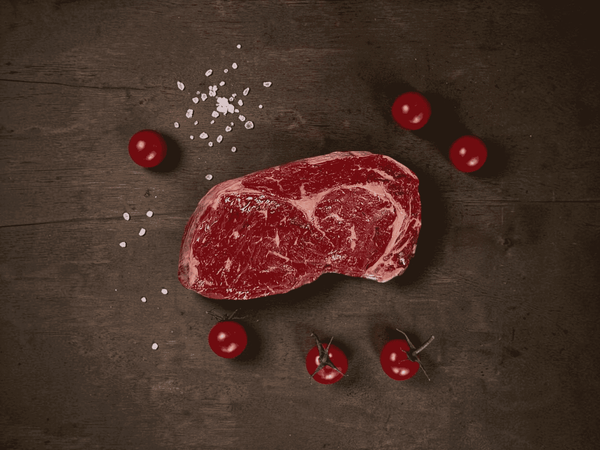
Ribeye comes from a naturally tender, flavourful part of the animal. It has a thick layer of fat and clear marbling throughout that gives it a rich, beefy flavour. This requires minimal seasoning, like coarse salt, cracked black pepper, garlic, and a few fresh herbs like thyme.
Understanding Marbling and Flavour
Marbling is the thin, creamy fat running through the muscle. As the ribeye steak cooks, the fat renders and melts, basting the meat from within. This is why it's easier to cook a good ribeye with a juicy centre than leaner cuts.
A well-marbled rib-eye steak has fine, even marbling rather than one large seam of fat. When you cook it properly, this is what makes ribeye juicy and tender. While lean cuts can still produce a decent steak, they tend to dry out because there’s less fat to baste the meat.
Choosing the Right Cut
When cooking at home, choose a ribeye around 1 inch thick. This gives you enough time to develop a deep crust without overcooking the middle. Thick steaks, such as bone-in and tomahawk steaks, often need a reverse sear or an oven finish.
Boneless ribeye is a good choice if you want an easy cook. It cooks evenly and sits neatly in a frying pan or cast-iron skillet. On the other hand, bone-in ribeye looks impressive and adds extra flavour near the bone. However, it usually needs a little more time to cook through.
The Value of Organic, Ethically Sourced Beef
Quality matters before the steak reaches your kitchen. At The Organic Butchery, we source our organic beef from certified organic farmers who prioritise animal welfare and better living conditions. Our expert butchers then prepare the meat with care and precision to deliver the full flavour. Read our guide on What is organic meat? to learn more about the benefits of this approach.
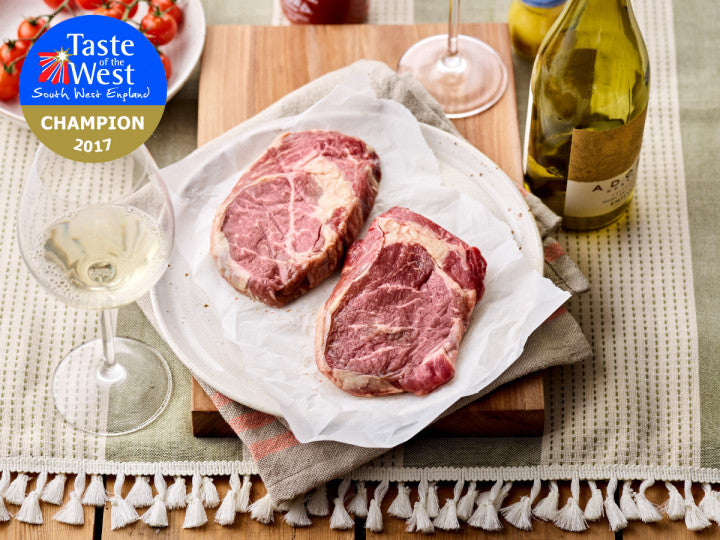
For a good ribeye with reliable flavour, start with our Organic 28-day Aged Beef Rib Eye Steak. Certified organic and grass-fed, this cut is matured on the bone for 28 days. It also earned the 2017 Taste of the West Gold Award for its outstanding flavour.

How to Prepare the Ribeye Steak Before Cooking
The preparation stage is where many ribeye steak recipes go wrong. A cold, wet, under-seasoned steak won't form a crust, even in a hot pan. Take a few minutes to set up properly, and cooking ribeye steak will be much easier.
Bring the Steak to Room Temperature
Take the steak out of the fridge around 30 minutes before cooking. This takes the chill off the surface and helps the meat cook more evenly. If you place a cold steak straight from the fridge into a hot pan, the outside will cook too quickly while the centre stays cold. This makes it harder to reach your desired level of doneness.
If your steak has been dry-brined in the fridge overnight, leave it uncovered on a plate before cooking. This helps the outside stay dry while the inside warms slightly.
Pat the Steak Dry
Use a paper towel to pat the steak completely dry on both sides and around the edges. If the surface is wet, the steak steams before it sears, leaving you with a pale exterior instead of a deep brown crust. This step is very important when pan-searing, where the steak has direct contact with the pan.
Seasoning Techniques
For a simple ribeye recipe, season generously with kosher salt. Diamond Crystal kosher salt is popular because the flakes are light and easy to control, but any salt can still work. Table salt is much finer, so use less if that’s what you have.
You can season just before cooking, or dry-brine the steak by salting it 12-24 hours ahead and leaving it uncovered in the fridge. Dry brining helps season the meat more deeply and dries the surface for better browning.
Add black pepper just before cooking or after cooking. Pepper can scorch over high heat, so many cooks prefer adding it when the steak is resting.
Equipment You’ll Need
A cast-iron skillet is the best pan for ribeye because it holds high heat well. A heavy pan or iron skillet also works. You’ll also need tongs, a dry plate, and a meat thermometer. A digital thermometer is the easiest way to avoid overcooking, especially if you’re aiming for a perfect rare to medium-rare steak.

How to Cook Ribeye Steak in a Cast Iron Skillet
Pan-searing is the best way to cook ribeye steak at home. It gives you a caramelised crust, a tender centre, and plenty of control over the final internal temperature and level of doneness.
Step-by-Step Cooking Method
- Step 1: Heat your cast-iron pan over medium-high heat. Wait until the surface is very hot, just starting to smoke. Add a small amount of avocado oil or another high-smoke-point oil.
- Step 2: Place the dry steak into the hot pan. Press it down gently with tongs so it makes full contact with the pan. Cook for 2 to 3 minutes without moving it. Turn and cook the second side for another 2 to 3 minutes.
- Step 3: Hold the steak on its side and cook the fat edge for 30 to 60 seconds. This helps the fat melt and adds more flavour to the ribeye.
- Step 4: For a 1-inch-thick steak, this is enough for medium-rare. For thicker steaks, lower the heat slightly. Keep cooking and turn the steak every minute until it reaches your preferred doneness.
Add Garlic Butter and Herbs
Once the steak has a crust, add a knob of butter, a crushed garlic clove, and fresh herbs such as fresh thyme or rosemary sprigs. As the butter melts, tilt the pan and spoon the foaming garlic butter over the steak.
The basting step adds richness without masking the beef. Keep the butter moving so it doesn’t burn. Melted butter should smell nutty and savoury, not smoky.
Pan and Oven Method
For thick steaks, pan-sear first, then transfer the cast-iron skillet to a hot oven at around 200°C. Let it cook until the steak reaches your preferred internal temperature.
Use this method when the outside is nicely browned, but the middle needs a bit more time. It gives you better control, especially when you’re cooking two steaks at once.

Alternative Cooking Methods
Pan-searing on a cast-iron skillet works well, but it’s not your only option. You can cook ribeye in a few different ways, depending on your home cooking equipment, steak thickness, and flavour preferences.
Grilling Ribeye Steak
Grilling gives ribeye a rich, smoky flavour and works especially well when you want a more relaxed, outdoor cooking.
- Heat one side of the grill until very hot and keep the other side cooler.
- Sear the ribeye over high heat for 2 to 3 minutes on each side.
- Move the steak to the cooler side to finish cooking gently.
- Close the lid during this stage to hold the heat and cook it evenly.
- Don't grill steaks blindly. Check the internal temperature regularly to reach your preferred doneness.
Reverse Sear Method
The reverse sear is a reliable way to cook thick ribeye steaks with even results from edge to centre.
- Place the steak on a rack set over a baking sheet.
- Cook in a low oven until it is about 20°F below your target temperature.
- Heat a cast-iron skillet until very hot.
- Sear the steak for about 1 minute on each side to build a crisp crust.
- Use this method when cooking thick steaks, and you want more control.
- Expect a longer cook time, but a more even finish throughout.

Internal Temperature Guide and Doneness Levels
While timing helps develop a perfect crust, internal temperature tells the truth about doneness. The steak's thickness, pan heat, and starting temperature affect the cooking time. A meat thermometer removes the guesswork.
Ideal Internal Temperatures
| Doneness | Remove From Heat Temperature | Final Temperature After Resting |
| Rare Steak | 120°F | 125°F |
| Medium Rare | 130°F | 135°F |
| Medium | 140°F | 145°F |
| Medium Well | 150°F | 155°F |
For many steak lovers, medium rare gives the best balance of tenderness, warmth, and flavour.
Using a Meat Thermometer
Insert the thermometer into the thickest part of the steak, from the side if possible. Don't touch bone or a large pocket of fat, as this can give a false reading. Check early. You can always cook ribeye steak for another minute, but you can’t reverse overcooking.
Carryover Cooking
Once you take the steak out of the pan, it doesn’t stop cooking straight away. The heat inside the meat does the carryover cooking, raising the temperature a little more. Take the steak off the heat about 5°F before your target. Let it rest, and it'll gently finish cooking to the right doneness.
Resting the Steak
Let the steak sit on a warm plate for 5-10 minutes. Resting allows all the juices to settle back through the meat. If you slice too soon, the juices run across the board instead of staying in the steak.
Common Mistakes When Cooking Ribeye Steak
Even a good steak can disappoint if you miss the basics. Watch out for the following mistakes:
- Using the Wrong Pan: A thin, nonstick pan won’t retain enough heat for a strong sear. Use a cast-iron skillet, an iron skillet, or a heavy pan that can stay hot once the steak goes in.
- Overcrowding the Pan: Give each steak space to sear properly.
- Using Low Heat for the Sear: Start with a hot skillet to build a proper crust and bring out flavour.
- Turning the Steak Too Soon: Let it sit for the first 2 to 3 minutes to develop the deep brown crust.
- Overcooking the Steak: This is the main reason ribeye turns tough or dry. Use a thermometer and remove the steak early enough for carryover cooking.
- Not Letting It Rest: A steak needs to rest before slicing. Five minutes is the minimum; ten is better for thick steaks. This keeps the meat tender and helps preserve all the juices.

How to Serve Ribeye Steak
A ribeye is rich, so the best sides either match that comfort or cut through it with freshness.
Classic Side Dishes
Creamed spinach is a steakhouse classic for a reason. Its gentle creaminess balances the savoury crust of a cooked steak. Mashed potatoes are another excellent choice, especially when you mix them with butter and a little warm milk or cream.
Rosemary roasted potatoes work well, too. Their crisp edges and herbal flavour are delicious alongside garlic butter and beef juices.
Fresh and Light Pairings
Green beans, especially haricots verts, bring colour and freshness to the plate. Serve steaks with a sharp green salad, charred asparagus, or lightly dressed watercress when you want the ribeye to remain the main focus.
Finishing Touches
Slice the steak against the grain into thick, even slices for the best texture. Sprinkle with flaky salt just before serving to bring out the flavour. Spoon over any resting juices, then finish with a little garlic butter for a rich, glossy finish.
Frequently Asked Questions
What Is the Best Way to Cook a Ribeye Steak?
Pan-searing in a cast-iron skillet gives the most reliable results. This method gives you a perfectly cooked steak with a crisp exterior and a tender centre. If you’re aiming for a perfect medium rare, use a meat thermometer to stay in control.
Should I Marinate a Ribeye Steak?
Ribeye doesn’t need a marinade. The natural marbling within the red meat brings plenty of flavour. You can just season it with salt and pepper, and let the quality of the beef shine through. A heavy marinade can mask the flavour of a good ribeye, especially with well-prepared cuts or bone-in steaks.
Can I Cook a Frozen Ribeye Steak?
You can cook frozen ribeye, but it takes more care. The outside can cook too quickly while the centre stays cold. For better control and a more even result, thaw the steak in the fridge overnight. Then let it sit out to room temperature briefly before cooking so it warms slightly and cooks evenly.
Which Oil Is Best for Cooking Ribeye Steak?
Choose an oil with a high smoke point for high-heat cooking, such as avocado or canola oil. You can also use olive oil at lower temperatures, but it may smoke too quickly in a very hot pan. A neutral oil helps you focus on building flavour through proper cooking rather than overpowering the steak.
Why Is My Ribeye Steak Tough?
Tough steak usually comes down to a few simple issues. Overcooking is the most common cause. Cutting with the grain instead of against it can also affect texture. Poor marbling or skipping the resting step can make a difference, too. Start with a well-marbled cut, cook with care, and rest the steak properly for the best result every time.
What Should I Do with Leftover Ribeye Steak?
Slice leftover steak thinly and use it in simple meals. It works well in sandwiches, salads, wraps, or with fried potatoes. Reheat it gently to avoid overcooking, or enjoy it cold for a quick meal. When you handle it well, leftover ribeye can still feel like a 5-star dish the next day.
Conclusion
Cooking ribeye steak well comes down to a few simple habits. Choose a well-marbled cut, season it properly, cook over high heat, check the internal temperature, and let it rest. Once you understand these steps, the process should feel straightforward and controlled. With high-quality organic meat, you can build a rich crust in the pan, keep the centre tender, and lock the juices inside the steak.