Take a look at almost any supermarket shelf, and you'll spot labels such as "nitrate-free", "uncured", and "nitrite-free" bacon. As many people now want to know what's actually in their food, paying attention to ingredient lists and labels is very important. If you enjoy a bacon sandwich now and then, you've probably wondered what nitrates actually are.
Nitrates occur naturally in the environment and are found in a wide range of foods, particularly vegetables. In fact, most of the nitrates we consume come from leafy greens and root vegetables rather than cured meats. So, why do nitrates and nitrites attract so much attention when it comes to bacon? And what does a nitrate-free label really mean? Let's clear up the confusion.
Key Takeaways
- Nitrates occur naturally in soil, water, and many foods, particularly leafy greens and root vegetables.
- Around 70-80% of dietary nitrates come from vegetables, making them the primary source for most people.
- The body converts some nitrates into nitric oxide, which supports healthy blood flow and blood vessel function.
- Health concerns typically focus on added nitrates and nitrites in processed meats because they can contribute to nitrosamine formation under certain conditions.
- Nitrate-free bacon is a good alternative for consumers who want bacon without the added nitrates.

What Are Nitrates?
Nitrates are chemical compounds that consist of nitrogen and oxygen atoms. They occur naturally as part of the Earth's nitrogen cycle and help with plant growth.
How Nitrates Occur Naturally
Nitrates are found in soil, water, and plants as part of a natural process that has been taking place for millions of years. As organic matter breaks down, nitrogen is converted into forms that plants can absorb through their roots. Without that process, crops can't grow properly or produce the proteins they need to survive.
Because nitrates dissolve easily in water, they're also present in rivers, groundwater, and drinking water supplies. Problems arise when nitrate levels become too high, often due to fertilisers, animal manure, other agricultural wastes, or industrial runoff. In these cases, nitrates become an environmental concern rather than a natural benefit.
Foods That Contain Nitrates Naturally
When you think about nitrates, bacon often comes to mind first. In reality, vegetables are another major source of dietary nitrates. Research published by Van der Avoort et al. (2018) in the European Journal of Clinical Nutrition suggests that around 70-80% of the nitrates we consume come from vegetables, particularly leafy greens and root vegetables.
Some of the richest natural sources include:
- Spinach
- Kale
- Lettuce
- Beetroot
- Celery
- Rocket
In fact, many vegetables contain significantly more nitrates than processed meats. Beetroot juice is a good example. It's naturally rich in nitrates and has attracted considerable attention for its potential to support healthy blood flow and cardiovascular health.

Nitrate vs Nitrite: What's the Difference?
Many people use these terms interchangeably, but nitrate and nitrite are not the same thing.
Nitrite vs Nitrate Explained
A nitrite contains two oxygen atoms attached to nitrogen (NO₂), while a nitrate contains three oxygen atoms attached to a nitrogen atom (NO₃). When you eat foods that contain nitrates, bacteria in the mouth and digestive system convert some of those nitrates into nitrite. The body can then convert nitrite into nitric oxide, a molecule involved in blood vessel function.
According to Chazelas et al. (2022), nitric oxide (NO) has various functions in the body. It can be toxic in high amounts, but it can also help protect the body. Nitric oxide increases blood flow, lowers blood pressure, helps keep the heart healthy, and supports the body's production of hormones and other signaling molecules.
The Role of Nitrites in Food Preservation
According to Shakil et al. (2022), in the Foods Journal, nitrites are used as food preservatives because they help:
- Improve food safety
- Inhibit harmful bacteria
- Extend shelf life
- Develop flavour
- Maintain the familiar pink colour associated with cured meats
Sodium nitrite and, historically, sodium nitrate have been used in curing processes for centuries.
The Traditional Curing Process Behind Bacon
Traditional bacon curing relies on nitrites because they help prevent the growth of dangerous bacteria, including Clostridium botulinum (Shakil et al., 2022). They also contribute to the characteristic bacon flavour and appearance. Without curing agents, bacon often appears paler and develops a different flavour profile.

What Are Nitrates in Bacon?
Nitrates in bacon refer to the curing agents used during processing.
Added Nitrates and Nitrites in Processed Meats
The most common processed meats often include:
- Bacon
- Ham
- Hot dogs
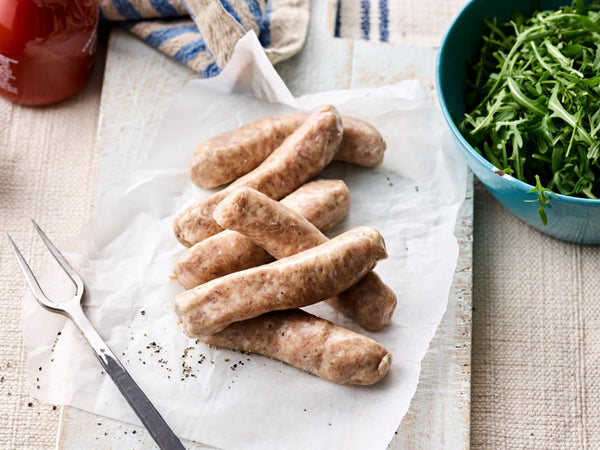
- Sausages
- Deli meats
Producers often use added nitrates and nitrites to preserve meat, improve colour, and support food safety standards.
Health Concerns Around Added Nitrates
The main concern surrounding nitrates in processed meats is that they react with proteins to form nitrosamines. These compounds form when nitrites react with amino acids during high-temperature cooking.
So nitrites themselves are not potentially harmful. It's the nitrosamines, which have been linked to colon cancer. Research done by Shakil et al. (2022) in the Foods Journal linked frequent consumption of heavily processed meats to an increased risk of colorectal cancer. However, the risk depends on factors such as overall diet, cooking methods, portion sizes, and food source.
Natural vs Added Nitrates
Although nitrates from vegetables and those used in meat curing are chemically identical, they exist within very different food environments. Vegetables naturally contain vitamin C and other antioxidants, which reduce nitrosamine formation. Processed meats generally contain fewer of these protective substances. This is why we produce our bacon without the added nitrates.
At The Organic Butchery, we proudly state our bacon is ‘nitrate-free’ because we use only the best and the least number of ingredients necessary. Our range of Nitrate-Free Bacon includes a range of cuts, including rib eye, back, streaky, lardons, gammon, and ham, to satisfy every table.
We carefully prepare our bacon from certified organic pork, lamb, turkey, grass-fed beef, and chicken, with salt and demerara sugar. We also avoid artificial nitrates and unnecessary additives, keeping the ingredient list short, recognisable, and transparent.
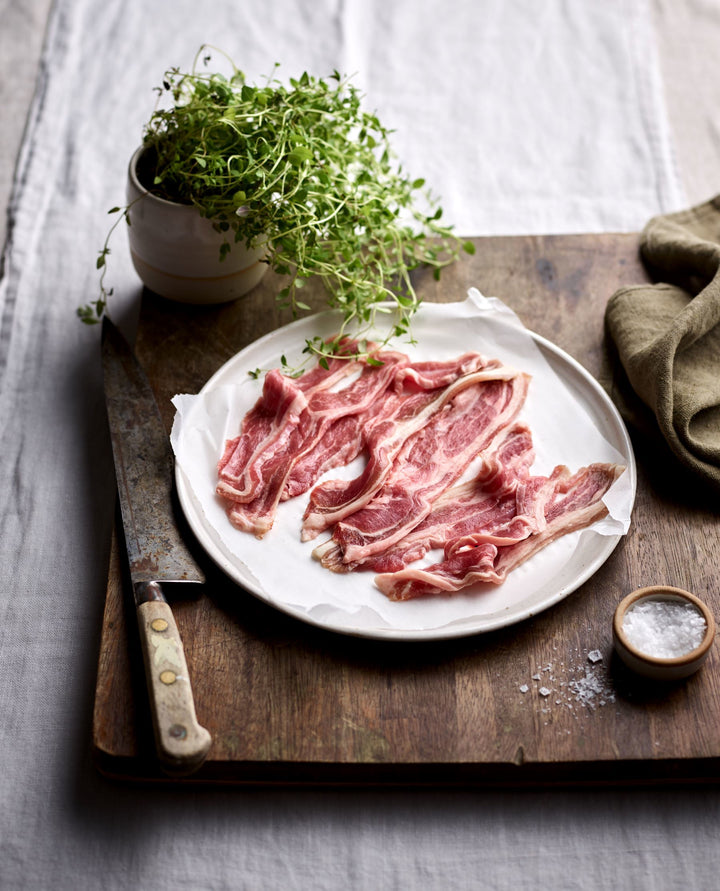
Nitrate Free Bacon
Better bacon starts with better ingredients
Shop NowNitrates, Blood Pressure, and Heart Health
Nitrates often receive negative attention because of their association with processed meats, but naturally occurring nitrates found in vegetables have significant health benefits. Vegetables rich in dietary nitrates play a beneficial role in cardiovascular health.
Health Benefits of Dietary Nitrates
When you eat a healthy diet with vegetables such as spinach, beetroot, rocket, and lettuce, your body converts some of their naturally occurring nitrates into nitric oxide. This molecule helps blood vessels relax and widen, allowing blood to flow more efficiently throughout the body (Lundberg et al., 2008).
Scientists have linked higher dietary nitrate intake from vegetables with several potential cardiovascular benefits, including:
- Improved blood flow
- Better blood vessel function
- Support for healthy blood pressure levels
- Enhanced nitric oxide production
Beetroot has attracted particular scientific interest. A review published in Nutrients found that beetroot juice consistently improved vascular function and reduced blood pressure in many study participants (Clifford et al., 2015). Similarly, a study by Kapil et al. (2015) found that nitrate-rich vegetables support cardiovascular health by increasing nitric oxide availability and improving endothelial function, both of which are essential for maintaining healthy blood vessels.
Ingredient Transparency and the Growing Demand for Nitrate-Free Bacon
Consumers have become more interested in where their food comes from and the production methods. As a result, they now look beyond nutrition labels and pay closer attention to ingredient lists, farming methods, and production standards.
Simple, recognisable ingredients now give shoppers greater confidence in the food they serve at home. Rather than relying on long lists of additives, many prefer products made using traditional methods and carefully selected ingredients. This growing interest in transparency has helped drive demand for nitrate-free bacon, particularly among those seeking organic and ethically produced food.
What To Look For When Buying Bacon
When comparing bacon products, look beyond the front-of-pack claims. Consider:
- Clear ingredient lists
- Certified organic standards
- Farm provenance and traceability
- High animal welfare practices
- Traditional production methods
At The Organic Butchery, these principles are at the heart of our operation. We work closely with trusted organic farms and skilled butchers to produce award-winning bacon using certified organic pork and straightforward curing methods. This produces bacon that reflects traditional craftsmanship, ethical sourcing, and a commitment to quality from farm to fork.
Frequently Asked Questions
Are Nitrates Bad for You?
Not necessarily. Nitrates occur naturally in many foods, particularly leafy vegetables such as spinach, kale, and lettuce, which provide around 70-80% of our dietary nitrate intake. Concerns typically focus on added nitrates and nitrites in some processed meats, as they can contribute to the formation of potentially harmful nitrosamines under certain conditions.
Is Nitrate-Free Bacon Healthier?
Many people choose nitrate-free bacon because it contains fewer curing additives and often has a simpler ingredient list. However, no single food determines good health. A balanced diet rich in whole foods remains the most important factor.
Can Nitrates Affect Blood Pressure?
The body converts some dietary nitrates into nitric oxide, which helps blood vessels relax and supports healthy blood flow. Vegetables high in nitrates, including spinach, beetroot, celery, and rocket, have been linked to healthy blood pressure levels as part of a balanced diet. Nitrates from plant sources convert to nitric oxide, which dilates blood vessels and reduces blood pressure.
Which Foods Have the Highest Nitrate Levels?
Vegetables have the highest levels of nitrates. Spinach, beetroot, celery, rocket, lettuce, and other leafy vegetables are among the richest natural sources. For most people, vegetables are the primary source of dietary nitrates, while cured meats contribute a much smaller proportion of overall intake.
Are Organic Meats Nitrate-Free?
Not always. Organic certification concerns farming and animal welfare standards, while nitrate-free claims pertain to the curing process. Some organic cured meats still use nitrates or nitrites, so it's always worth checking the ingredient list and product description.
Can Nitrates Be Harmful in Drinking Water?
In high concentrations, nitrates in drinking water can pose a health risk, particularly for infants. Excessive exposure has been linked to methemoglobinemia, often called blue baby syndrome, which affects the blood's ability to carry oxygen. To protect public health, the World Health Organization and the U.S. Environmental Protection Agency have set the maximum contaminant level (MCL) for nitrate in drinking water at 10 mg/L (as nitrogen).
Conclusion
As a summary, nitrates occur naturally in soil, water, and many foods. Processed meats are not the only source, as vegetables remain the largest source of dietary nitrates for most people. Understanding the difference between natural and added nitrates helps provide a more balanced view of their role in nutrition and food production.
Much of the discussion around health risks centres on added nitrates and nitrites in processed meats and the potential formation of nitrosamines. If you want greater ingredient transparency, nitrate-free bacon is alternative worth considering. Browse our Nitrate-Free Bacon Collection to find award-winning organic bacon prepared with care, craftsmanship, and respect for quality.
References
- Chazelas, E., Srour, B., Desmetz, E., Kesse-Guyot, E., Julia, C., Deschamps, V., Druesne-Pecollo, N., Galan, P., Hercberg, S., Schnitzle, A., & Touvier, M. (2022). Nitrites and nitrates from food additives and natural sources and cancer risk: Results from the NutriNet-Santé cohort. International Journal of Epidemiology, 51(4), 1106–1119.
- Clifford, T., Howatson, G., West, D. J., & Stevenson, E. J. (2015). The potential benefits of red beetroot supplementation in health and disease. Nutrients, 7(4), 2801–2822.
- Hord, N. G., Tang, Y., & Bryan, N. S. (2009). Food sources of nitrates and nitrites: The physiologic context for potential health benefits. The American Journal of Clinical Nutrition, 90(1), 1–10.
- Kapil, V., Weitzberg, E., Lundberg, J. O., & Ahluwalia, A. (2015). Clinical evidence demonstrating the utility of inorganic nitrate in cardiovascular health. Nitric Oxide, 38, 45–57.
- Lundberg, J. O., Weitzberg, E., & Gladwin, M. T. (2008). The nitrate–nitrite–nitric oxide pathway in physiology and therapeutics. Nature Reviews Drug Discovery, 7(2), 156–167.
- Shakil, M. H., Trisha, A. T., Rahman, M., Talukdar, S., Kobun, R., Huda, N., & Zzaman, W. (2022). Nitrites in cured meats, health risk issues, alternatives to nitrites: A review. Foods, 11(21), 3355.
- Van der Avoort, C. M. T., Van Loon, L. J. C., Hopman, M. T. E., & Verdijk, L. B. (2018). Increasing vegetable intake to obtain the health-promoting and ergogenic effects of dietary nitrate. European Journal of Clinical Nutrition, 72(11), 1485–1489.