You’ve probably wondered if organic meat is really different or just a premium-priced version of conventionally produced meat. Well, the truth is that organic meat comes from a totally different approach to farming. This approach focuses on how farmers raise their animals with a natural diet, and handle every step from birth to butchery.
In the UK, there are strict regulatory standards for organic farming that emphasise high animal welfare, full traceability, and environmental sustainability. These regulations change everything from the animal’s grazing habits to the use of antibiotics by the farmer, and the end result is a much higher meat quality.
This guide provides a comprehensive overview of what organic meat really is and how it compares to other non-organic options. We’ll also explain the health benefits and how you can choose the best organic cuts with confidence.

What Is Organic Meat? Understanding the Process
The term organic meat refers to meat produced under strict standards that cover the entire farming system, not just the end product. These standards cover the following:
- Animal production
- Organic diet
- Disease management
- Product labelling
- Full traceability
What Is an Organic Farming System?
An organic farming system adheres to a set framework geared towards promoting natural processes. In this respect, an organic farming system prohibits genetically modified organisms and restricts artificial chemicals, including synthetic fertilisers and pesticides.
For livestock, this implies a whole-life approach to farming. Regulatory bodies like the Soil Association certify organic farming systems against standards. These standards apply throughout an animal's lifespan, from rearing to transportation, slaughter, processing, and even to organic meat suppliers.
For consumers, that distinction matters. Organic and non-organic systems aren't just different labels on similar products. They reflect fundamentally different farming practices, priorities, and approaches to quality.
Living Conditions and Animal Welfare
Animal welfare is an important part of organic farming standards. Organic livestock should have regular access to the outdoors and pastures during grazing seasons, along with more space and living conditions that support natural behaviour.
In practice, farmers allow animals to express behaviours such as grazing, rooting, or foraging, depending on the species. The standards set by organisations such as the Soil Association ensure that animals have access to fresh air, natural light, comfortable and stress-free living conditions, and enough space to roam around.
What “Certified Organic” Means in the UK
“Certified Organic” is a regulated term in the UK. To become a producer, processor, importer, exporter, or retailer of organic food, the business must be “certified” by an approved organic control body.
In the UK, organic control bodies such as Soil Association Certification and Organic Farmers and Growers (OF&G) are approved by the Department for Environment, Food and Rural Affairs (DEFRA) to inspect food quality and certify organic food businesses.
These organisations regularly inspect certified businesses at least once a year and perform additional testing when necessary. The certification document includes details of what a business is allowed to certify and sell to encourage transparency and traceability in food supply chains.

Organic vs Conventional Meat
The difference between organic and conventional meat comes down to feed, animal welfare, the use of medicines, and production systems. Hormonal growth promoters are generally banned in livestock production in the country. Therefore, this isn’t a major factor in the distinction between organic and non-organic meat. The key differences lie in organic feed, outdoor access, certification, and the routine use of antibiotics.
Feeding Practices: Organic Feed vs Conventional Diets
One of the most obvious differences between the two is the feed. Most organic farmers use certified organic feed and, for grazing animals, they provide grass-based diets and access to pasture. Research summarised by Agricology, which referenced a study done by Newcastle University, found that the nutritional differences between organic meat are attributed to feeding patterns, with grazing outdoors and fresh grass-based diets, such as hay and silage, playing a major part.
This is important for flavour and fatty acids. Grass-fed beef and lambs raised on an organic pasture have a cleaner, deeper flavour than meat from more intensive farming systems.
Antibiotics, Hormones, and Additives
Organic standards prohibit the routine use of antibiotics to promote a preventative approach to animal health. However, organic farmers can still treat their animals when necessary for welfare purposes. This is an important point, because sick animals still have to be treated.
Organic farming, according to the Soil Association, doesn’t neglect animal health. It simply seeks to reduce the need for medication through adequate stocking levels, high-quality drinking water, fresh air, good husbandry, and stress-free conditions.
Animal Welfare and Living Conditions
Another major difference between organic and conventional meat is animal welfare and living conditions. Farmers raise organic poultry and livestock under standards that require free range access, more space, and living conditions that promote natural behaviour. Conventional systems can vary widely, but organic farming standards provide independently inspected minimum welfare expectations.
That has a practical effect. Animals that move properly, forage naturally, and live in less pressured environments are less likely to be raised with a focus on faster growth and output.
Meat Quality and Taste
The quality of organic meat also differs from that of non-organic options. Slower growth rate, natural diet, and active lifestyle contribute to the texture, fat content, and flavour. According to Agricology’s summary of the review carried out by the University of Newcastle, organic meat has 50% more desirable fatty acid profile, including more omega-3 fatty acids, than non-organic meat. The quality of the meat depends on the production method.
Quite simply, organic farming produces high-quality meat by prioritising animal welfare, natural diets, and sustainable land management. This is why the flavour of our organic chicken, turkey, duck, lamb, and beef is rich, clean, and more savoury than conventionally produced meat.

The Benefits of Organic Meat
There are many reasons why people prefer organic meat products. However, the benefits can be summarized into three main categories, which include health and nutritional value, environmental impact, and ethics.
Health and Nutritional Value
The most compelling argument for health benefits is that organic meat has better nutritional value compared to non-organic alternatives. This is because the organic farming system improves nutritional quality.
For health-conscious consumers, organic products mean reduced exposure to genetically modified organisms and antibiotics used in non-organic livestock rearing.
Environmental Impact
Organic farming follows ecological principles and strict standards to reduce the environmental impact and address the challenge of climate change. DEFRA defines organic farming as a legally regulated system of agricultural production that prioritizes environmental protection, ecological principles, biodiversity, and natural methods.
The Soil Association also describes it as a system that prohibits the use of synthetic pesticides, artificial fertilisers, and GMOs, and relies on crop rotation, green manures, and high standards of animal welfare.
This means that organic farming involves using regenerative practices that promote sustainable agriculture, improve soil health, and encourage biodiversity.
Conventionally produced meat products have a much larger environmental footprint. For example, there’s a greater risk of runoff, deforestation to grow feed crops, and greenhouse gas emissions.
Ethical and Sustainable Farming Practices
For many consumers, the key factor is ethical sourcing. Organic production prioritises the ethical treatment, welfare, and natural animal behaviour. As a result, animals raised under ethical farming systems tend to live calmer, healthier, less stressful, and happier lives. They experience less physical strain, fewer injuries, and a better overall quality of life from start to finish.
It also supports small-scale farmers who work closely with the land, animals, and the meat they produce. This makes it easier for you to make informed decisions about the food on your plate.

Organic Butchery: Ethical Farming from Farm to Table
Free Range and Natural Behaviour
At The Organic Butchery, we source our meat from organic farming systems that provide animals with access to pasture when weather and ground conditions allow. They also ensure there’s enough room to spend their lives outdoors and express natural behaviour. That includes grazing, pecking, rooting, and roaming, depending on the animal.
Traditional Butchery and Craftsmanship
Organic meat requires skilled handling at the next stage after farming. At Organic Butchery, our butchers are the heart and soul of the operation, preparing every cut with care, precision, and respect. That traditional butchery knowledge helps preserve overall quality, from roasting joints to everyday cuts for family cooking.
From Farm to Table Transparency
In certified organic systems, transparency is very important. Organic certification, inspection, and full traceability can provide you with greater "line of sight" from farm to table.
That's why we put that provenance first in our operation. We work with certified organic farms and highlight our farmers who offer their exceptional produce. For example, we work with Fossmere Farm for its slow-grown, free-range organic poultry raised in Devon.

How to Choose Organic Meat with Confidence
What to Look for on Labels
The first thing to do is to check if the food is certified organic. In the UK, organic meat comes from a business certified with an approved control body. Look out for words that indicate certified organic standards, and where appropriate, signs that the meat is grass-fed, free-range, or pasture-raised.
Questions to Ask Your Butcher
You should ask where the meat comes from, how the animals are raised, and what they eat. A good butcher should be able to explain where the meat comes from and why one cut is better suited to a certain dish than another.
Choose Quality Over Price
While organic meat is usually more expensive, it provides value for the money. Better meat quality, slower production, higher welfare, and stronger traceability contribute to the price. For home cooks, one good joint can also stretch further than expected, giving you a roast one day and leftovers for soups, pies, sandwiches, or broths later in the week.
If you want the highest-quality organic meat with ethical sourcing, our range of award winners features premium cuts that have earned recognition from prestigious awards such as Taste of the West, Great Taste Awards, and BOOM (Best of Organic Market). This guarantees rich flavour, perfect tenderness, and the highest standards of organic butchery.
Frequently Asked Questions
What's the Difference Between Organic and Grass-Fed Meat?
Grass-fed refers mainly to the animal's diet. Organic meat comes from a wider certified farming system that also covers welfare, living conditions, medicines, inspection, and traceability. This means grass-fed meat may not be certified organic.
Why Is Organic Meat More Expensive?
Organic farmers follow strict standards, slower growth rates, certified feed requirements, and regular inspections. These factors raise production costs, increasing the buying price of organic meat.
What Does Free Range Mean?
Free range generally means animals have outdoor access. However, free-range doesn't mean organic. Organic standards go further by also covering space, natural behaviour, feed quality, welfare, and inspection.
Does Organic Meat Taste Better?
Many people who've tried it think so. Slower growth, grass-based diets, and careful butchery contribute to flavour, texture, and overall meat quality.
Are Antibiotics Used in Organic Farming?
Organic farming prohibits the use of routine antibiotics, but farmers can still treat their animals when necessary for welfare reasons.
How Do I Identify Real Organic Meat?
Look for certified organic labelling from a business certified by an approved UK control body, and buy from a butcher or retailer that can explain sourcing clearly.
What Is the Best Organic Meat for Beginners?
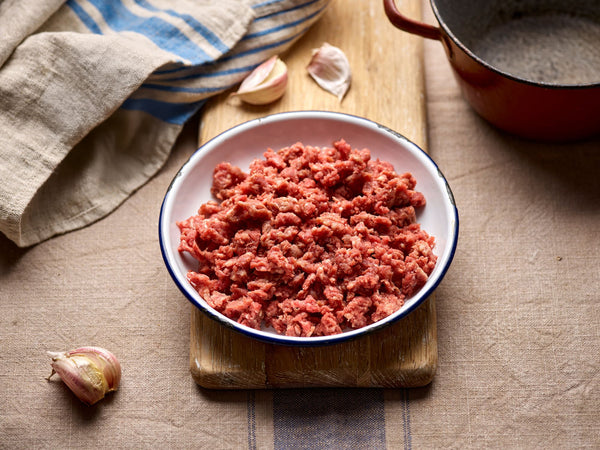
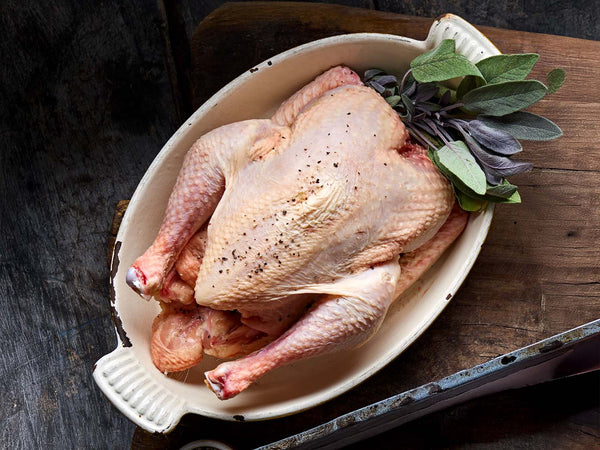
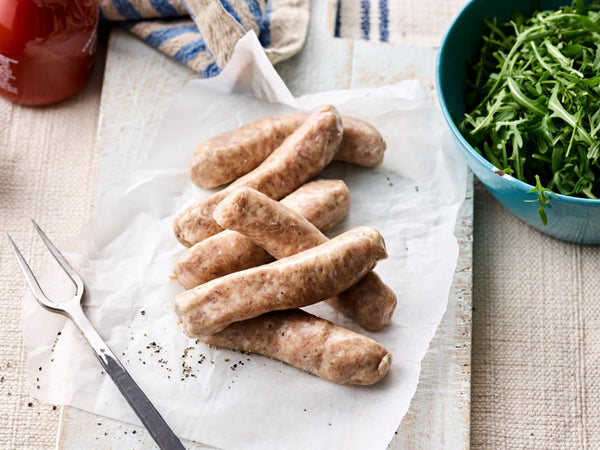
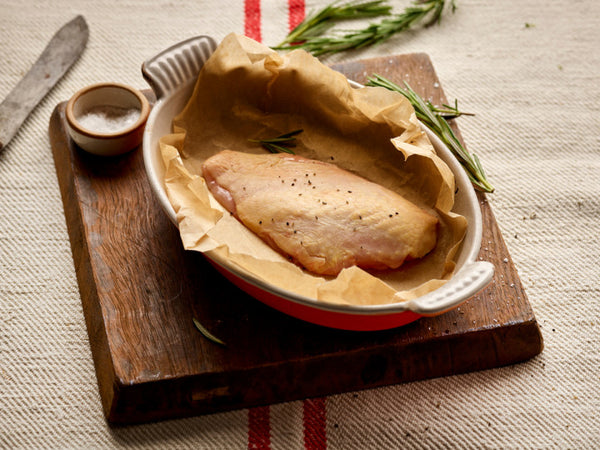
Chicken, mince, sausages, and slower-cooking beef cuts are often the easiest to start with. They're familiar, versatile, and a good way to compare organic and non-organic meat at home.
Conclusion
Organic meat reflects certified organic standards, animal welfare, traceability, and a more thoughtful approach to food production. When weighing up organic and non-organic options, the difference is what the animals eat, where they live, and how farmers handle the final product from farm to butcher’s counter.
If you want meat with genuine provenance, careful craftsmanship, and award-winning quality, The Organic Butchery is the perfect place to start. From grass-fed organic beef to slow-grown poultry and expertly prepared cuts, we focus on top-quality, ethical sourcing, and genuine care in every order.
References
- Agricology. (n.d.). Organic versus non-organic meat.
- Department for Environment, Food & Rural Affairs. (2023). Agriculture in the United Kingdom 2022: Chapter 12 – Organic farming.
- Department for Environment, Food & Rural Affairs. (n.d.). Cattle health and welfare.
- Department for Environment, Food & Rural Affairs. (n.d.). Organic food: UK approved control bodies.
- Soil Association. (n.d.). Better for animals.
- Soil Association. (n.d.). Organic farming standards and regulations.