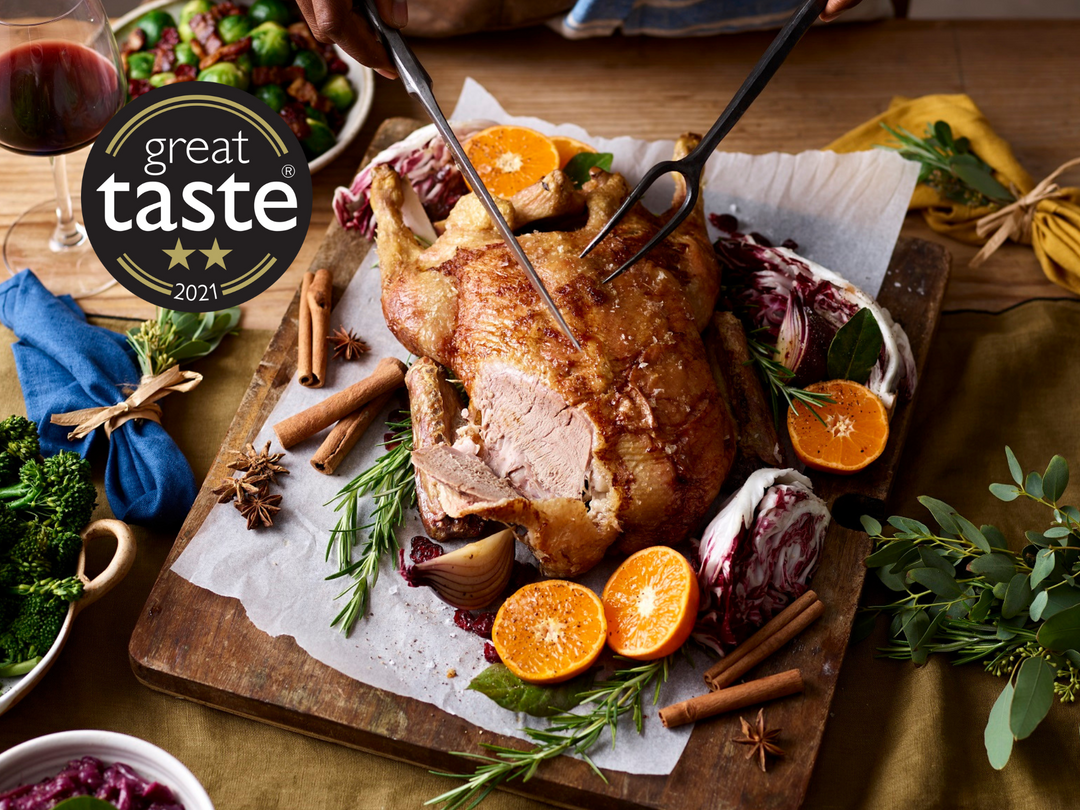
Properly prepared duck is very tender and tasty, with crispy skin. One of the benefits of duck meat is that it has more fat than chicken or turkey. The fat renders during cooking, which keeps the meat juicy and succulent while enhancing the golden skin that makes roasted duck so enjoyable.
If you're wondering how to cook duck so it's moist and not greasy, with crispy skin, it’s all about proper preparation. Pat the skin dry, score it, cook it at the proper temperature, and let it rest before cutting. The guide will help you prepare duck with crispy skin, check the correct temperature inside, preserve the rendered duck fat, and avoid the common cooking mistakes.
Key Takeaways
- Choose high-quality organic duck meat, and you'll enjoy better flavour and more consistent cooking results.
- Dry the skin gently, cut the skin into diamond cuts, and season copiously to help the fat to render and create crispy skin.
- Roast a whole duck for about 30 minutes per pound at 175°C / 350°F, and use a meat thermometer to check the internal temperature before serving.
- Don’t cook duck in a hot pan. Start in a cold pan so the fat renders slowly and the duck skin turns crisp and golden.
- Rest a whole duck for 15 minutes, and the duck breast for 8-10 minutes before carving to ensure that the meat remains juicy.
- Keep the duck fat for use in roast potatoes, roast vegetables and other dishes.
- Start with responsibly sourced, certified-organic duck for exceptional flavour and reliable cooking results.

Choosing the Right Duck Before You Cook
Great duck starts before you turn on the oven. Quality matters because duck is naturally rich, and the flavour of the meat depends heavily on how the bird was reared and preparation before cooking.
The Different Duck Cuts
Here are the most common cuts of duck meat:
- Organic whole duck is ideal for a memorable roast duck dinner. It gives you crisp skin, dark meat, breast meat, legs, wings, and plenty of duck fat for cooking afterward.
- Duck breast suits quick suppers. It cooks beautifully in a pan, especially when you start skin-side down in a cold pan so the fat can render slowly.
- Duck legs, duck wings, and duck giblets are ideal for low-and-slow cooking. Braising, roasting, or confit-style cooking breaks down the connective tissue and leaves the meat tender, falling off the bone.
- A duck carcass is also a good choice for slow cooking to make nutrient-rich broth. It brings out the fantastic flavour that's stored in the bones and connective tissues.
Fresh vs Frozen Duck Meat
Fresh duck is convenient when you’re cooking within a few days. Frozen duck can still give excellent results, but you’ll need to thaw it slowly and safely. Give it around two days in the fridge for a frozen whole duck, then pat the skin dry before cooking.
Don’t thaw duck meat at room temperature. It may seem quicker, but it can warm unevenly and affect food safety.
Organic Duck Meat
Organic duck meat comes from certified organic farmers. Organic farming standards focus on higher welfare, natural diets, space, and farming systems that allow the birds to grow at a natural pace.
At The Organic Butchery, our organic duck collection comes from Soil Association-certified farmers in Devon’s Blackdown Hills who rear Pekin ducks in a high-welfare system. Our expert butchers then prepare the different cuts of duck meat with precision. If you’d like to understand the standards behind the organic label, read our guides on What is organic meat? and Is organic meat better?
Is Organic Food Healthier?
Many people choose organic food because they value animal welfare and farming methods that work in harmony with nature. Others want to reduce their exposure to pesticides and unnecessary chemicals, or simply feel more confident about the food they eat.
Certified organic produce, fruit, dairy, and meat generally contain fewer pesticide residues than conventionally grown food. Organic farming also prohibits the routine use of synthetic pesticides, artificial fertilisers, genetically modified ingredients, and artificial colours. While both organic and conventional food can be part of a healthy diet, many choose organic food because farming systems are built around natural organic practices, high animal welfare standards, and strict organic standards.
Nutritionally, the differences between organic and conventionally grown foods are often modest. They both provide valuable nutrients for human health, including vitamins such as vitamin C, minerals, and protein. However, choosing organic products reduces exposure to pesticides, particularly if you consume organic fruit, vegetables, organic milk, and other organic dairy products. This is why many families choose organic food, as it supports long-term health goals.
For meat, the focus is on animal welfare. Certified organic meat comes from animals reared to rigorous welfare standards, with natural diets and more space to express their normal behaviours. These farming methods often contribute to excellent taste and reflect a commitment to sustainable food production.
Read our guide on What does organic mean for more insights. It explains the standards behind certified organic farming and what the organic label really represents. This can help you make informed choices when buying organic food.

How to Prepare Duck Before Cooking
Good preparation makes the difference between crisp skin and a disappointing roast. Duck produces a generous amount of liquid fat as it cooks, so the aim is to render it while keeping the meat tender.
Remove Giblets and Pat the Duck Dry
Check the cavity first and remove any giblets. Keep them if you plan to make gravy or stock. Next, dry the skin thoroughly with kitchen paper. Moisture is the enemy of crispy duck skin. If you have time, leave the duck uncovered in the fridge for a few hours before cooking. This dries the surface further and helps the skin crisp in the oven.
Score the Skin Properly
Use a sharp knife to score the duck skin in a diamond pattern. Cut through the fat, but don’t cut into the meat. Scoring gives the fat a route out of the skin as the duck cooks. This helps prevent greasy results and creates a better texture.
Seasoning Your Duck
Salt is your best friend here. Rub it over the skin and inside the cavity. Lightly salting the skin helps draw out moisture and supports crisping.
Duck also works well with black pepper, thyme, rosemary, garlic, sage, orange, star anise, honey, and soy sauce. For a classic roast duck recipe, keep the seasoning simple with salt, pepper, garlic, thyme, and citrus.
Should You Bring Duck to Room Temperature?
For a whole duck, take it out of the fridge about 30 minutes before roasting. This takes the chill off the meat without leaving it out too long.
Duck breast can go straight into a cold pan from the fridge. The cold start is useful because it gives the fat time to render before the meat overcooks.

How to Cook Duck: Step-by-Step
This method is for cooking a whole duck with crispy skin, tender meat, and plenty of rendered duck fat to use in other recipes.
Preheat the Oven
Preheat the oven to 175°C / 350°F. Use a roasting tin with a wire rack if you have one. The rack lifts the duck above the fat as it renders, helping the underside cook more evenly.
Roasting a Whole Duck
Place the duck breast side up on the rack. If you don’t have a rack, sit it on thick slices of onion or sturdy vegetables.
Roast duck for around 30 minutes per pound at 175°C / 350°F. A 6 lb duck usually takes about 3 hours, though the exact timing depends on your oven and the bird’s shape.
As the duck cooks, fat will collect in the roasting tin. Carefully pour it off during cooking if the tin starts to fill, and save it for later.
| Cut | Oven Temperature | Cooking Time | Internal Temperature | Resting Time |
| Whole duck | 175°C / 350°F | 30 minutes per pound | 74°C / 165°F | 15 minutes |
| Duck breast | Pan, then optional oven finish | 8-15 minutes | 57-60°C medium-rare, or 74°C well done | 8-10 minutes |
| Duck legs | 160-170°C | 1.5-2 hours | Tender and piping hot | 10 minutes |
Turn the Duck During Cooking
For even browning, turn the duck during roasting. You can start breast side up, turn it breast side down, then finish breast side up again. This helps the fat render evenly and prevents one area from crisping while another stays soft.
Checking Internal Temperature
Use a meat thermometer. For whole poultry, food safety guidance recommends 74°C / 165°F as the safe internal temperature. Check the thickest part of the thigh without touching bone. The juices should run clear, and the meat should be piping hot.
Duck breast is slightly different in culinary practice. Many chefs serve duck breast pink, often around 57-60°C for medium-rare. This is a personal choice, so use a thermometer and choose the level of doneness you’re comfortable with.
Broil for Extra Crispy Skin
If the duck is cooked but the skin needs more colour, use the grill or broiler for 5-10 minutes. Watch it closely. Duck skin can quickly turn from golden to burnt, especially if honey or a sweet glaze is involved.
Rest Before Carving
Rest the whole duck for 15 minutes before carving. This helps the juices settle and makes the meat easier to cut.

How to Cook Duck Breast for Crispy Skin
Duck breast is quicker than a whole duck, but it still needs patience. The aim is to crisp the skin slowly without overcooking the meat.
Start with a Cold Pan
Place the duck breast side down in a cold, dry frying pan. Don’t add oil. Duck breast has enough fat of its own. Set the pan over medium heat and let the fat render gently.
Cook Skin Side Down
Cook skin side down for most of the time, usually 8-12 minutes, depending on thickness. Spoon away excess fat as it collects. The skin should turn deep golden and crisp.
Flip and Finish
Flip the duck breast and cook the flesh side for 2-4 minutes. For thicker breasts, transfer the pan to a moderate oven for a few minutes. Rest for 8-10 minutes before slicing. Cut across the grain for tender slices.
Medium Rare vs Well Done
For medium-rare duck breast, aim for around 57-60°C. For well done, cook to 74°C.
Expert Tip: Duck breast is darker, richer, and protected by a thicker layer of fat. Start with a cold pan to give the fat time to render before the meat cooks through.

Common Mistakes and How to Avoid Them
Cooking duck is straightforward once you understand the basics, but the following common mistakes can affect the final result.
Rubbery Skin
Rubbery skin usually indicates too much moisture or insufficient fat rendering. Pat the skin dry, score it properly, and avoid covering the duck while roasting unless a recipe specifically calls for it.
Too Much Fat
Duck produces more fat than chicken. Use a rack, pour off excess fat during roasting, and save it for cooking vegetables or roast potatoes.
Dry Meat
Dry meat often comes from cooking too hot or skipping the rest. Use steady heat, check with a thermometer, and rest before carving.
Overcooking
Duck breast can overcook quickly once the fat in the skin has rendered. Keep an eye on the temperature, especially if you prefer pink breast meat.
Skipping the Resting Period
Resting isn’t optional. It gives the juices time to settle, which helps the meat stay tender when carved.

What to Serve with Roast Duck
Duck is rich, so the best sides bring freshness, acidity, sweetness, or gentle bitterness.
Classic Side Dishes
Roast potatoes cooked in duck fat are a classic for good reason. You can also pair them with seasonal vegetables, green beans, braised red cabbage, carrots, parsnips, and brussels sprouts.
Best Sauces
Fruit and acidity cut through the richness. Try orange sauce, cherry sauce, plum sauce, blackberry sauce, or a red wine reduction. A little honey, soy sauce, ginger, or spice also works well if you want a more aromatic duck recipe.
Using Leftovers
Leftover duck is excellent in salads, wraps, fried rice, noodles, sandwiches, and soups. Keep the meat chilled and use it within a couple of days. For larger gatherings, we also offer organic chicken, organic turkey, and grass-fed beef for different roast dinner styles.

Don’t Waste the Duck Fat
Rendered duck fat is one of the best rewards of cooking duck. It carries deep flavour and gives vegetables a crisp, savoury finish.
How to Collect Duck Fat
Carefully pour the fat from the roasting tin into a heatproof jug. Let it settle, then strain it through a fine sieve or muslin into a clean jar. Avoid adding burnt bits or watery juices if you want the fat to keep well.
Storage Tips
Cool the fat, cover it, and refrigerate it. You can also freeze it in small portions. Label the jar with the date so you know when you made it.
Best Ways to Cook with Duck Fat
Use duck fat for roast potatoes, root vegetables, fried eggs, confit duck legs, sautéed greens, or crisping leftover roast meat.
Saving fat also reflects our nose-to-tail philosophy, which emphasizes using as much of the animal as possible, respecting the work of the farmer and butcher, and reducing waste.
Frequently Asked Questions
Can Duck Be Pink?
Yes, duck breast is often served pink, with many chefs aiming for an internal temperature of 57-60°C for medium-rare. Whole duck is different because the legs and thighs need longer cooking. For food safety, cook a whole duck until the thickest part reaches 74°C / 165°F. A meat thermometer takes the guesswork out of the whole process.
How Long Does Duck Take to Cook?
As a general guide, roast a whole duck at 175°C / 350°F for around 30 minutes per pound. A 6 lb duck usually takes about 3 hours. Your prep time will vary depending on whether you're seasoning the bird or allowing it to come to room temperature before roasting. Always rely on the internal temperature rather than cooking time alone.
What Temperature Should Duck Reach?
For a whole duck, cook the meat until it reaches 74°C / 165°F in the thickest part of the thigh. Duck breast can be served medium-rare at 57-60°C if you prefer that style of cooking. Using a meat thermometer is the most reliable way to achieve perfectly cooked duck every time.
Should I Cover Duck While Roasting?
No. Roast duck uncovered to allow the fat to render and the skin to crisp. Covering the bird traps steam, which softens the skin instead of crisping it. For even better results, pat the skin dry before cooking. Some traditional recipes also recommend pouring boiling water over the skin before drying and roasting, as this helps tighten the skin and can improve crispiness.
Can I Air Fry Duck?
Yes. Duck breast and duck legs both cook well in an air fryer. Dry the skin thoroughly, score it carefully, and cook until the meat reaches the correct internal temperature. As with oven cooking, good preparation makes the biggest difference to the final result.
Can I Freeze Cooked Duck?
Yes. Let the duck cool before wrapping it well and freezing it. Defrost it overnight in the refrigerator rather than using cold water, then reheat until piping hot before serving. Freezing is an excellent way to make the most of leftovers without compromising flavour.
How Long Does Duck Fat Last?
Once you've strained and cooled it, store duck fat in a clean, airtight container in the refrigerator for several weeks. You can also freeze it in smaller portions for longer storage. Label the container with the date so you know when you stored it.
Should I Baste Duck?
Duck naturally contains plenty of fat, so frequent basting isn't necessary. Too much basting can soften the skin and reduce crispiness. Instead, let the fat render naturally and pour away any excess from the roasting tin during cooking.
Can I Cook Duck From Frozen?
For the best results, thaw duck completely before cooking. Place it in the refrigerator for around two days until fully defrosted. Cooking from frozen makes it difficult to achieve evenly cooked meat and crisp skin, particularly with a whole duck.
Why Does Peking Duck Take So Long to Prepare?
Traditional Peking duck preparation can take several days. Cooks dry the skin, season the bird, and leave it uncovered to let it lose moisture before roasting. This careful preparation creates the famously thin, crisp skin that defines the dish, although you can still achieve excellent results at home using a much simpler method.
Tip: Every duck is slightly different, so treat the cooking times provided as a guide and always check the internal temperature before serving. If you're following a specific recipe, take a moment to review recipe notes and nutritional information if they're provided, as ingredients and cooking methods can vary.
Conclusion
Learning how to cook duck comes down to a few reliable habits. Dry the skin, score the fat, cook at a steady temperature, use a thermometer, and let the meat rest before carving.
Once you understand how the fat renders, cooking duck becomes much less intimidating. A whole duck makes a generous roast, duck breast brings restaurant-style cooking to a weeknight supper, and duck legs reward slow cooking with deep, rich flavour.
For the best results, start with carefully sourced meat. Our award-winning organic meat collection includes certified organic duck from trusted British farms committed to high welfare standards and full traceability.