Choosing different cuts of beef often feels like guesswork. You might want a tender cut for a quick steak dinner, or a rich and comforting option for a slow-cooked stew. Then the choice suddenly feels confusing when you see labels like fillet, ribeye, brisket, flank, or shank.
Each cut comes from a different part of the animal, which determines its taste, tenderness, and cooking method. Once you know the basics, it becomes much easier to choose the right cut. In this guide, we’ll explain the different cuts of beef, what they’re used for, and how to cook them.
Key Takeaways
- Different cuts of beef vary in texture and flavour. Choose the right one to cook with confidence and get consistent results.
- Tender options like sirloin cuts and rump steak need quick cooking over high heat, while firmer cuts require slower methods to bring out full flavour.
- Simple cuts such as minute steak or beef cut into thin strips can still deliver excellent results with the right cooking method.
- Skilled preparation from experienced butchers and ethical sourcing determine the quality of the meat.

Understanding Different Cuts of Beef
We define beef cuts based on the anatomy of the animal. As a general rule, cuts from harder-worked sections tend to have a firmer texture and deeper flavour, while those from muscles that do less heavy lifting are more tender.
The Two Main Sections: Forequarter and Hindquarter
Beef is divided into the following two broad areas:
- The Forequarter: This is the front section, which includes cuts from the tougher sections such as the shoulder (chuck), brisket, and shank. These cuts are rich in connective tissue and require patient, slow cooking to soften. However, this section also contains the rib, which produces the tender rib-eye steak.
- The Hindquarter: This area contains many prime cuts, such as the beef fillet (tenderloin) and sirloin. Because the muscles in this area do less heavy lifting, they require quick, high-heat cooking. The hindquarter also includes the round (the hind leg), a lean, tough cut that requires slow-roasting or braising.
What Determines Tenderness and Cooking Methods
Most cuts from the forequarter contain more collagen and connective tissue, which gives them structure and depth of flavour. They require slow cooking to soften the connective tissues and create tender meat with a rich, succulent texture.
Cuts from less-worked areas along the back are naturally tender, with very little connective tissue. Steaks such as fillet, sirloin, and rib eye respond best to quick, high-heat cooking to lock in their natural moisture. You also need to rest the meat for 5 to 10 minutes after cooking to keep it juicy and flavourful.
Marbling and Collagen: The Flavour Profile
- Marbling: These are small white flecks of intramuscular fat. They melt during cooking, providing juiciness and a buttery flavour.
- Connective Tissue: Found in cuts from more active parts of the animal, it provides a more pronounced beefy flavour once it breaks down with slow heat.
Explore our organic beef collection for steaks, roasting joints, and everyday cuts you can trust for consistent quality and taste. We work closely with farmers who prioritise animal welfare and sustainable practices. Our skilled butchers then prepare every cut with care for exceptional flavour. This commitment to ethical sourcing and craftsmanship contributes to the quality of the meat long before it reaches your kitchen.

Prime Beef Cuts and Their Flavour Profiles
Premium steak cuts come from the least-worked muscles along the back of the animal, including the rib section and loin. With the right cooking methods, these tender cuts can reward you with exceptional texture and flavour.
Beef Fillet
Beef fillet comes from the short loin and is the most tender cut of beef available. It's a lean meat with a fine, delicate texture, subtle beefy flavour, and very little fat.
Fillet steak requires quick cooking using dry-heat methods, such as pan-searing. Since they're so tender, overcooking can quickly dry them out. Serve it rare to medium-rare to preserve its natural tenderness.
Ribeye
Ribeye comes from the rib section and has a rich flavour and generous fat marbling. The marbling melts during cooking, creating a juicy, full-flavoured steak with a buttery texture. A bone-in ribeye is often called a cowboy steak, while larger cuts such as côte de boeuf create a richly flavoured, generous cut that’s perfect for sharing.
Ribeye can handle higher temperatures well. Use grilling or pan-searing to render the fat properly and develop the flavour fully.
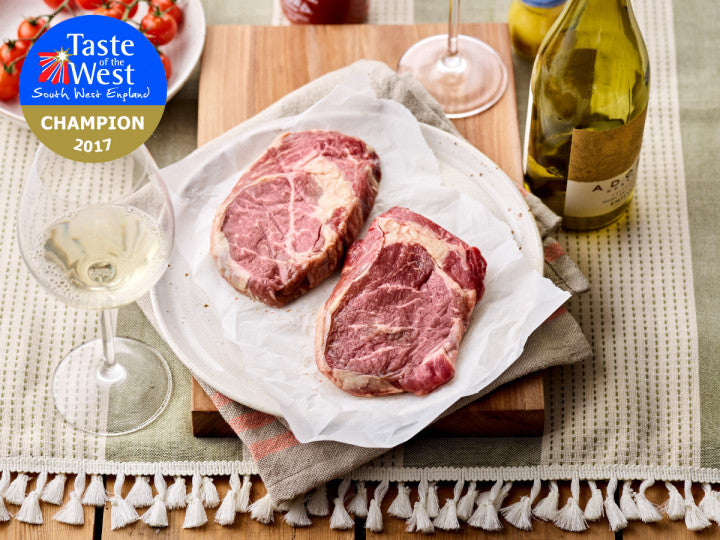
Sirloin
Sirloin comes from the tender and flavourful area between the loin and rump. Top sirloin is the most popular for its consistency and versatility. It's firmer than fillet but more flavourful, with a layer of fat along the edge that adds beefy richness.
For best results, cook sirloin steak over high heat using dry heat methods. Render the fat cap by holding it against the pan until crisp.
T-Bone and Porterhouse
A t-bone steak combines two premium steak cuts in one. A tender fillet on one side and a flavourful strip steak (from the strip loin) on the other. Porterhouse steaks are cut from further back along the loin and contain a larger portion of fillet.
These steaks require careful handling, as each side cooks at a different rate. Grill or pan-sear, then rest for 5 to 10 minutes before serving.

Everyday and Budget-Friendly Beef Cuts
The following are some of the budget-friendly beef cuts that can be as enjoyable as premium cuts, depending on the cooking method.
Flank Steak
Flank steak is lean, fibrous, and full of flavour. It needs either a good marinade or careful high-heat cooking. For best results, cook the flank steak quickly, rest it, then slice thinly against the grain. This makes it easier to chew. It’s excellent for stir-fries, carne asada, fajitas, and salads.
Bottom Round
Bottom round comes from the rear leg. It’s a lean cut with plenty of structure, so it’s good for slow roasting, pot roasting, or thinly sliced roast beef. Bottom round roasts are generous enough to feed a whole family.
Corned Beef
Butchers usually make corned beef by curing and brining brisket or other firm cuts of beef, like chuck or shanks. It has a salty, savoury flavour that’s ideal for sandwiches, hash, and traditional boiled dinners.
Braising Steak
Braising steak comes from firmer cuts of beef, often taken from well-worked areas with more connective tissue. It requires slow, gentle cooking for the connective tissues to soften and develop deep flavour. This makes it perfect for stews, casseroles, and dishes with beef broth, vegetables, and herbs.

Slow Cooking Beef Cuts: Transforming Tough into Tender
Slow cooking is the best way to make tougher beef cuts tender. These cuts contain collagen and connective tissue, which soften during long, moist cooking.
Beef Shank
Beef shank comes from the lower leg. It’s firm, collagen-rich, and ideal for slow cooking. For instance, cross-cut shank, often sold as osso buco, can be deeply savoury when you cook it with stock, wine, onions, and root vegetables.
Brisket
Brisket comes from the chest and has layered fat, a visible grain, and plenty of flavour. It requires slow roasting, smoking, braising, and the slow cooker. If you cook it properly, you can slice the brisket or pull it apart for sandwiches, tacos, and hearty family meals.
Chuck and Shin
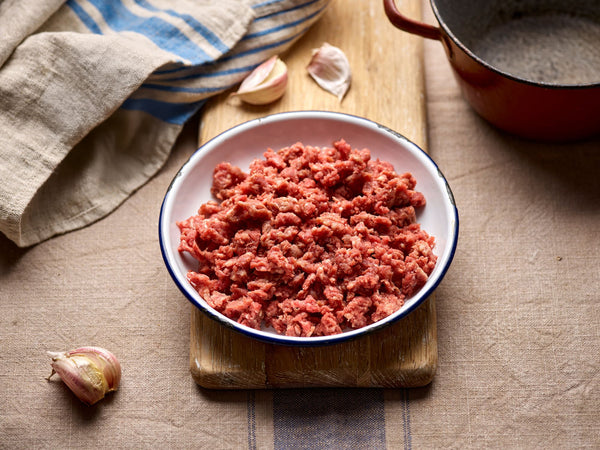
Chuck comes from the shoulder. It’s full of flavour and often used for ground beef, stews, and braises.
Shin is another favourite cut for slow cooking that comes from the lower leg in the forequarter. Like shank, slow cooking turns it into a melting texture with deep, savoury flavour.
Beef Cuts and Cooking Methods at a Glance
| Cut of Beef | Texture | Best Cooking Methods |
| Fillet steak | Very tender, lean meat | Pan-searing, grilling |
| Ribeye | Juicy, marbled | Grilling, roasting, and pan-searing |
| Sirloin | Firm, tender | Grilling, frying, roasting |
| Flank steak | Lean, fibrous | Marinate, grill, slice against the grain |
| Brisket | Firm, fatty | Slow roasting, braising, smoking |
| Beef shank | Tough, collagen-rich | Stewing, braising, slow cooker |
| Braising steak | Firm, flavourful | Casseroles, stews, and pot roasting |
| Short ribs | Rich, fatty | Braising, slow cooking |

From Farm to Cut: Choosing Beef You Can Trust
The quality of beef starts long before it reaches your kitchen. Farming methods, sourcing standards, and skilled preparation determine the final flavour, texture, and overall eating experience.
Organic Certification
Certified organic meat must meet strict standards that cover how farmers raise animals, feed them, and prepare the meat. These standards prohibit artificial inputs and growth hormones, and prioritise animal welfare.
If you’re wondering what this means in practice, read our guide on What is organic meat? It explains the principles clearly, from farm to finished cut.
Ethical Sourcing
Take your time to know where your meat comes from. Ethical sourcing focuses on transparency, responsible farming, and proper animal care.
That's why you should move beyond what’s readily available at your local grocery store and look for certified organic meat that reflects higher standards. This becomes even more important when choosing more expensive cuts, because the quality should match the price.
Skilled Butchery
Skilled butchery makes a noticeable difference. A well-prepared cut cooks more evenly, retains its structure, and delivers better flavour.
Experienced butchers handle a wide range of cuts with precision and care, from premium steaks to more fibrous, flavourful cuts that require precise slicing. Your local butcher should be experienced enough to prepare tough or thin cuts, such as:
- Flat iron steak
- Hanger steak
- Skirt steak
- Flank cuts
For instance, our expert butchers prepare each cut with skill, making the most of every part through a nose-to-tail philosophy. They trim and slice each cut with precision from the animal’s nose to tail. This approach turns economical cuts into excellent-value choices without compromising on quality. Even a tough cut like a tri-tip roast can deliver outstanding results with this level of preparation.
Sourcing, Maturation, and Flavour
The quality of beef depends on careful sourcing and proper ageing. When farmers rear their animals at a natural pace to maturity, the meat develops a deeper flavour and a more refined texture.
At The Organic Butchery, we source our meat from trusted farmers who prioritise natural diets, animal welfare, and carefully controlled production at every stage. This results in nutrient-rich meat with better quality, texture, and flavour. Read our guide on Is organic meat better? to learn more about the benefits of this approach.
The same attention to detail applies to our organic lamb, chicken, duck, and turkey collections. We source them from regulated organic farming systems with strict, independently verified standards.
Frequently Asked Questions
What Is the Best Cut of Beef for Beginners?
If you're just starting out, choose reliable steaks such as sirloin or rump. These offer a balance of flavour and tenderness. The top round is an excellent choice for slow roasting. Sirloin, including the versatile tri-tip, is a fantastic choice for grilling or pan-searing. You can also start with ground beef, as it’s easy to cook and use in a number of dishes.
What Is the Most Tender Cut of Beef?
The most tender cut of beef is the fillet (or tenderloin). This comes from the muscle beneath the ribs, which does very little heavy lifting, giving it a soft, fine texture. Fillet mignon, cut from the narrower end of the tenderloin, has a buttery texture and melt-in-your-mouth tenderness. It’s a lean meat with a subtle flavour, usually served rare to medium-rare to maintain its natural tenderness.
What’s the Difference between Fillet and Sirloin?
Fillet steak is a lean, tender cut with a subtle, refined beef flavour and very little fat marbling. Sirloin, located further back towards the hip, has a firmer texture and a more pronounced beef flavour. It’s slightly less tender than fillet, offering a more robust, juicier bite.
Is Bone-in Beef Better than Boneless?
Bone-in cuts, such as the fore rib or T-bone, often produce juicier results. The bone slows down the cooking process and helps the meat retain moisture. On the other hand, boneless cuts are more convenient. They're easier to carve, portion, and cook evenly across the entire surface. The ultimate choice depends on how you plan to cook and serve the meat.
How Should I Store Beef?
Store beef in the coldest part of your fridge (usually the bottom shelf), ideally below 5°C. Keep it in the original packaging or wrap it tightly. Always place it on a tray or plate to catch any potential drips. Use it before the expiry date or freeze it immediately. For long-term freezing, use airtight bags or vacuum sealing to prevent freezer burn.
Is Organic Beef Different from Conventional Beef?
Yes. Organic beef comes from animals raised under strict certification standards, which include organic feed and better living conditions. These higher welfare conditions often result in a cleaner taste and offer better transparency for the consumer.
Conclusion
Understanding different cuts of beef gives you real confidence at the hob. Once you know the cuts to cook quickly over high heat, like fillet, ribeye, and sirloin, choosing your menu becomes much simpler. Conversely, cuts from harder working muscles like brisket or chuck need time and gentle heat to bring out their full flavour and tenderness.
When you match your beef cut to the right cooking method, you'll get better flavour and consistent results every time. Start with premium cuts you can trust for quality and origin, and even simple meals will feel more satisfying.