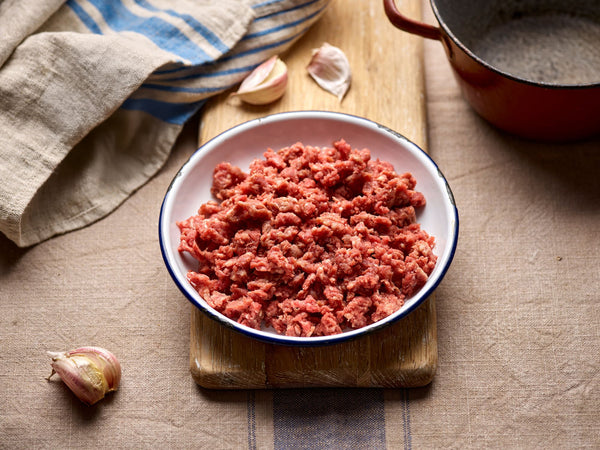
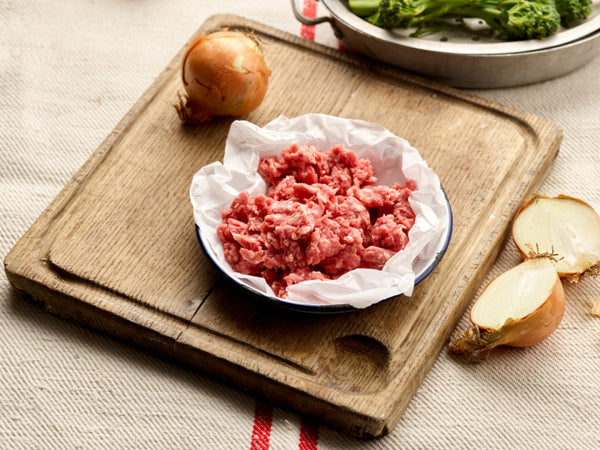
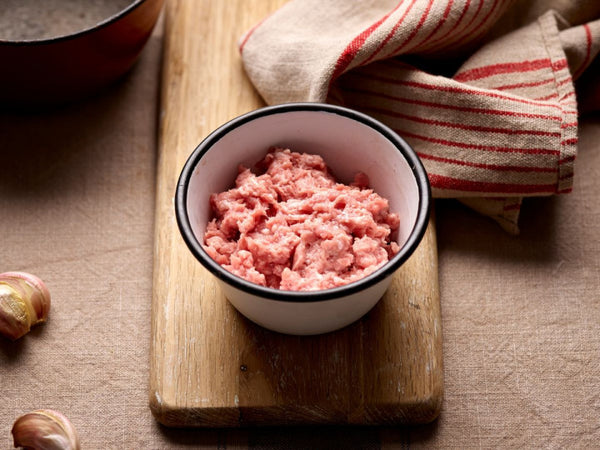
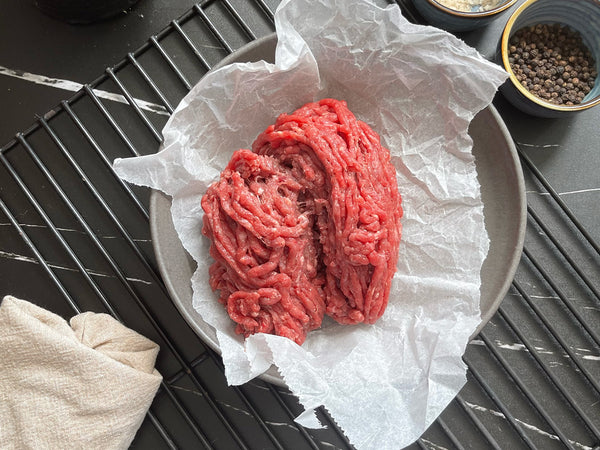
It’s time for dinner, the sauce ingredients are ready, and you completely forgot about the mince, which is still in the freezer as a solid block. So, can you cook mince from frozen?
Yes, you can cook frozen mince, but it’s best to thaw it before cooking, unless the packaging or your butcher says otherwise. Make sure you heat the meat thoroughly to avoid any parts being cold or still frozen inside. To do so, you’ll need a steady source of controlled heat and a meat thermometer at hand.
This guide explains when it's safe to cook mince from frozen, the correct way to do it, when you should defrost instead, and how to cook your mince properly without compromising flavour or texture.

Can You Cook Mince from Frozen Safely?
Cooking frozen mince safely depends on the type of mince and how you plan to cook it. This is because you can't cook every pack of raw mince from frozen, as some require defrosting.
The Safest Advice
Defrosting mince thoroughly in the fridge is generally the safest option. Always check the label or follow the storage and cooking instructions provided by your butcher. If the packaging states “defrost thoroughly before cooking”, don’t try to speed things up by putting the frozen block straight into a pan.
However, if the instructions specifically state that you can cook the mince from frozen, follow them. Butchers often provide instructions on the specific product, portion and preparation method. The UK Food Standards Agency (FSA) recommends following your butcher's instructions above all else.
Ground Meat Needs Careful Handling
A whole steak doesn't come with the same cooking concerns as a slice of mince. Bacteria on a whole cut are typically found only on the exterior of the cut, and you can easily kill them with high heat.
In mincing, the surface bacteria are carried around in the meat. This is why it’s a good idea to cook all minces (ground beef, lamb, pork and venison) to a high temperature in the centre (e.g. 75°C for 30 seconds).
Freezing doesn’t kill harmful bacteria. It inhibits bacterial growth during the freezing period of the meat, but you still need to cook the mince thoroughly. Organic meat deserves the same careful food-safety practices as any other raw meat.
Safety First: Defrost mince unless your butcher's instructions permit cooking from frozen. Always check the internal temperature as brown edges don’t prove that the centre is safely cooked.

The Correct Way to Cook Mince from Frozen in a Pan
Use this method if the packaging states that you can cook the mince directly from the freezer. If you have a large, densely packed block of frozen meat, it might be safer and more effective to defrost it first.
Stovetop Break-Up Method
- Read the Instructions: Before starting, read the packaging on the mince to make sure you can cook from frozen. Then choose a clean, heavy frying pan big enough to accommodate the mince without becoming crowded.
- Start with Controlled Heat: Add the frozen mince to the pan and heat gently over a low to medium-low heat. Don't put it in a very hot pan because it could scorch the outside before the inside melts.
- Add Some Water, If Necessary: During the first few minutes, a little splash of water will prevent the meat from sticking to the pan. Be careful not to add too much because the mince will boil instead of browning.
- Turn the Frozen Mince Frequently: When the first surface starts to melt, turn the meat so it melts from other sides.
- Scrape Away the Loose Mince: Scrape off the softened outer layer with a wooden spoon or strong spatula. Place these smaller bits all over the pan.
- Continue to Separate the Meat: Scrape and turn the mince until the frozen centre is melted and the mince is uniform in size.
- Increase the Heat: When the meat is fully separated, increase the heat so it starts to fry and brown.
- Remove Excess Liquid: Frozen mince is prone to giving off water. If any liquid pools, carefully spoon off some of the excess or let it simmer down before starting to brown.
- Cook Thoroughly: Stir regularly until the meat is evenly browned, steaming and cooked through.
- Check the Temperature: Insert a clean meat thermometer in various spots. The mince needs to be cooked to 70°C for 2 minutes or 75°C for 30 seconds.
If you want to get the best results, start with high-quality fresh meat, ground to perfection from expert butchers. At the Organic Butchery, our organic beef mince, winner of Gold & 2 stars at the Great Taste Awards 2020, is a treat to eat in all your favourite recipes. Finely minced for amazing texture, we add just 10%-20% fat (which brings flavour and succulence) to prime cuts of beef to make a mince that's infinitely versatile and really fantastic value for money.
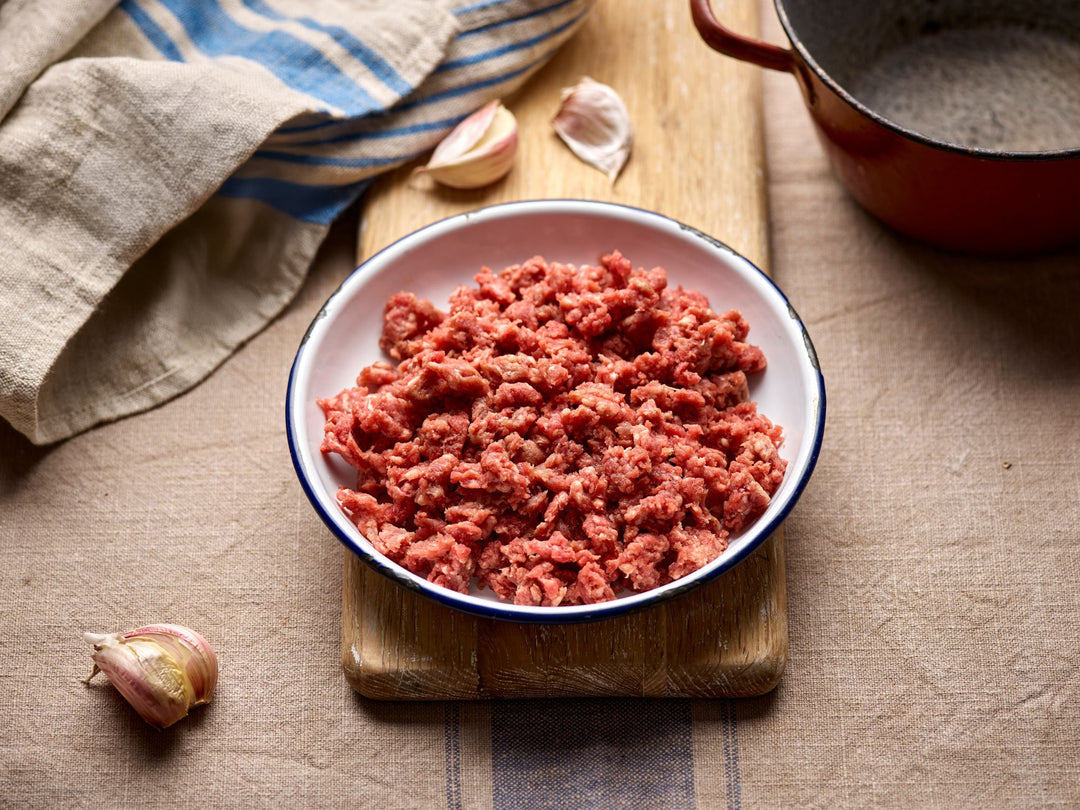
Organic Beef Steak Mince
Award-Winning Organic Beef Steak Mince
Shop NowWhen to Season the Ground Meat
Add salt, pepper and other seasoning after the frozen block has separated and most of the moisture has evaporated on the surface. Spices tend to be difficult to distribute in solid mince and can settle on the softened exterior.
When the meat is loose enough to stir properly, add chopped onions, garlic and dried herbs. To get a really dark brown colour, cook the mince in portions instead of trying to squeeze a large amount in a small pan.
Signs You Should Stop and Defrost
Stop cooking and choose a safe defrosting method when:
- The centre remains solid while the outer meat is becoming dry or overcooked.
- The frozen block is too thick to turn or scrape safely.
- The packaging indicates that you must defrost the mince thoroughly.
- You need raw mince for burgers, meatballs, koftas or another shaped recipe.
- Your chosen appliance can’t heat and separate the meat quickly and evenly.

Frozen Mince Cooking Time and Food Safety Checks
The cooking time will depend on the size of the portion, type of meat, thickness of the frozen block, size/temperature of the pan, and hob. Consider any recommended minutes to be a guideline, not a certainty, for the safety of the food.
How Long Does It Take to Cook Mince?
Using the pan break-up method, the frozen mince will take about 10-15 minutes to cook, though it will require more time for some. Loose, individually frozen pieces will heat up faster than a tightly compressed 500 g block.
Generally, cooking frozen mince takes longer than frying fully thawed meat. You must first soften and separate the block, then cook off the released moisture before proper browning begins. Don’t serve the meat simply because the recommended cooking time is up. Ensure the mince doesn't contain any frozen clumps and reaches the correct internal temperature.
Safe Internal Temperature
If you cook frozen mince, the FSA recommends that the centre of the mince should reach 70°C for two minutes, or 75°C for 30 seconds to kill harmful pathogens like E. coli O157 and Salmonella. Check several areas because a previously frozen block can contain cooler pockets even after the outside has browned.
Before testing, stir the meat; then push the thermometer into several spots of the pan. This is important when cooking frozen beef mince as it often melts unevenly. To avoid cross-contamination, clean the thermometer before and after use.
How To Tell When the Meat is Fully Cooked
Browned mince may still contain undercooked or cooler areas, particularly if the original frozen block hasn’t been fully broken apart. Tomato sauce, spices and the natural colour of different meats can also make visual checks unreliable.
Steam and an evenly cooked texture are helpful signs, but a food thermometer gives you greater confidence. Here's what you should check for a safe result.
| Check | Safe Result |
| Texture | Fully separated, with no frozen clumps |
| Heat | Steaming and hot throughout |
| Temperature | 70°C for two minutes |
| Moisture | Excess water cooked off or drained |
| Final check | Stirred and tested in several places |
When Defrosting Mince Is the Better Choice
Defrosting is generally the safer way to go, and it gives you more control over the seasoning, browning, and texture.
Defrost Mince in the Refrigerator
Pack mince in a freezer bag or sealed container, or put it on a tray on the bottom shelf of the fridge. This will prevent the raw meat juices from dripping onto other ready-to-eat foods in the refrigerator.
Give the meat enough time for the centre to thaw completely in a fridge running at 5°C or lower. A flat portion will take approximately 12 to 16 hours to thaw, whereas a thick block requires a full 24 hours. Once thawed, cook the mince within 24 hours (and no later than 48 hours) and always observe the use-by dates in the original packaging.
Don't Defrost Mince at Room Temperature
Don’t leave raw mince on the worktop, near a radiator or in warm water. The outside can enter a warmer temperature range while the middle remains frozen, giving bacteria an opportunity to multiply.
Keep the meat chilled while you prepare vegetables, sauces and other foods. Wash your hands, utensils and any surface that has touched raw mince.
Quality Benefits of Thawing the Frozen Mince First
Thawed mince makes better contact with the hot pan, so it browns more evenly and releases less pooled water. You can distribute seasoning properly and control the final texture without repeatedly scraping the frozen centre.
Defrosting is particularly important for burgers, patties and meatballs, where you need to shape the raw mince before cooking. However, good handling and cleanliness are very important to keep the meat fresh.
Can You Cook Frozen Mince in a Slow Cooker, Soup or Other Appliances?
You can't cook all frozen meat in other appliances. The safest way is to thaw frozen meat first and warm it up rapidly enough to cook uniformly.
Slow Cooker
Don’t put a solid block of frozen mince directly into a slow cooker. It heats gradually, so the centre may remain cold while the outside warms slowly. Defrost the mince safely first. You can also brown it in a frying pan before transferring it to the slow cooker to develop a richer flavour and prevent grey cooking liquid from diluting the finished sauce.
Can You Cook Soup with Frozen Mince?
Don’t place a frozen block into a finished soup and assume that simmering will cook it evenly. Where the label permits direct cooking, separate and thoroughly cook the mince in a frying pan first. Once there are no frozen clumps and the meat has reached a safe temperature, add it to the soup. Draining excess fat or watery liquid first will help preserve the flavour and consistency of the broth.
Boiling
You can boil loose minced meat until thoroughly cooked, but the method won’t produce the savoury browned flavour created by frying. It may also leave the meat with a softer texture. Boiling can work for recipes where you drain cooked mince and add it to a strongly flavoured sauce. That said, boiling isn't the best method for cooking mince from frozen.
Air Fryer
A dense frozen block may dry or brown around the edges while remaining cold inside. Defrost the meat unless both the appliance instructions and the product packaging provide a tested method for cooking it from frozen.
Oven or Pressure Cooker
Follow the instructions supplied with the appliance and the meat. Portion size, pressure settings and recipe liquid all affect cooking time, so there’s no reliable universal figure. Separate or stir the meat if the method allows, then check its final internal temperature in several places.
Choosing and Freezing Better Mince for Quick Meals
A little preparation before freezing can turn a forgotten mince into a delicious dinner.
Freeze Mince in Practical Portions
Divide larger packs into recipe-sized amounts before freezing. Place each portion in a suitable freezer bag, remove as much excess air as possible, and flatten the mince into a thin, even layer.
Flat portions stack neatly and thaw more evenly than dense blocks. Label each pack with the meat type, portion size and freezing date, then follow the supplier’s storage and freezing instructions.
Match the Mince to the Dish
Beef mince suits cottage pie, chilli, tacos and Bolognese. Its rounded flavour works particularly well in recipes where the meat remains at the heart of the dish.
Our rich organic lamb mince is a natural choice for shepherd’s pie, koftas and warmly spiced sauces. We add 11.1 g of fat per 100 g for depth of flavour and succulence, leaving you wanting more.
Pork mince works well in meatballs, ragù and dumpling fillings. We use shoulder, leg and belly cuts to make our organic pork mince. It's fantastically meaty, and we keep it pretty lean, with just enough fat to enhance the flavour and keep things moist during cooking.
Venison brings a darker, gamey flavour to pasta sauces, chilli and slow-simmered dishes. At The Organic Butchery, our venison mince is naturally very lean, so it can dry out quickly. Defrosting first gives you greater control, while a moisture-rich sauce helps keep the cooked meat tender.
Frequently Asked Questions
Can You Cook Beef Mince From Frozen?
Yes. If the beef mince package or your butcher's instructions allow, you can cook straight from the freezer. Start on a low to medium heat and break the mince into smaller pieces as it softens. Once the mince is completely separated, heat to 70°C for 2 minutes or 75℃ for 30 seconds. This will generally take about 10-15 minutes, depending on the size of the frozen block. If you're using very lean mince, a little olive oil or water can help prevent the mince from sticking.
Can You Cook Lamb, Pork or Venison Mince From Frozen?
You can cook lamb, pork and venison mince the same way as beef mince. Defrost the meat unless the packaging states you can cook from frozen. If the supplier recommends cooking directly from the freezer, break the mince into smaller pieces as it cooks and check the centre until it reaches a safe temperature. Lean venison mince can dry out more quickly than beef or pork, so it often needs defrosting first before cooking.
Can You Defrost Mince In The Microwave?
Yes. Follow the microwave's defrost function and stop every few seconds to rotate and break up the mince to ensure it defrosts evenly. Cook it right after defrosting since some parts may get warmer during defrosting. Don't leave raw mince on the worktop or in warm or cold water as this poses the risk of food poisoning.
Can Cooked Mince Be Frozen Again?
Yes, as long as you cook the mince properly, cool it down rapidly and keep it in a safe place. You can freeze cooked mince in smaller quantities to make it easy to serve later on and minimise food waste. For the best quality, use frozen cooked mince within three to four months and reheat it until piping hot throughout.
Why Does Frozen Mince Release So Much Water?
When you cook the mince, the frozen water vapourises, releasing moisture from the mince. If the pan is too full, the liquid accumulates, and the mince steams instead of browning. Cook in a wide pan, completely separate, and drain the meat of excess liquid before turning up the heat. This will improve the colour, flavour, and texture.
So, Can You Cook Mince from Frozen Safely?
Unless the packaging clearly indicates otherwise, it’s best to defrost the mince first before cooking. It also helps to make the browning, seasoning, and shaping a lot easier. However, if the packaging or your butcher's instructions allow, put the frozen block in a pan and cook it on low heat, stirring it regularly. When the mince is softened, use a scraper to remove all frozen bits, then increase the heat and fry until the meat cooks properly. Check several areas with a clean thermometer, looking for a temperature of 70°C for two minutes.
Also freeze mince in small, clearly labelled portions to make future meals more convenient. Each pack will thaw more evenly, and you can only take out what you need. At The Organic Butchery, our skilled butchers mince every meat with care and precision. Choose expertly prepared mince from our range, and please ask our team for advice on storage, defrosting, or cooking your order. We’re always happy to help.