Venison is one of the most succulent and flavourful meats available, but you can’t prepare it in the same way as beef. Venison has less fat than other meats and is therefore very delicate. You can cook fillet using high heat for a short period of time, whereas the shoulder or shin needs hours of cooking to become tender. This distinction matters if you want to learn how to cook venison well.
In this guide, we'll explain how to prepare and cook venison steaks, loin, fillet, haunch, diced meat and mince. You’ll also find practical guidance on internal temperature, resting, ageing, slow cooking and seasoning, including what to do when you want to soften the stronger game flavour of venison.

The Golden Rules of Cooking Venison
Before cooking venison, understanding the animal is very important. Wild deer move constantly, developing lean muscles with very little marbling. As a result, venison loses moisture more quickly during cooking than many fattier beef cuts.
Why Deer Meat Cooks Differently From Beef
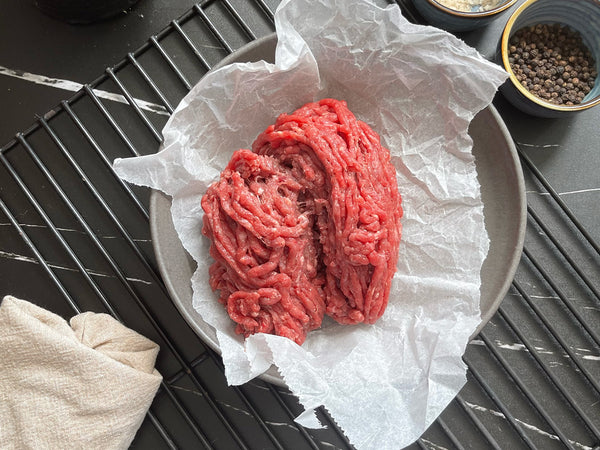
Venison contains considerably less fat than many beef cuts. At the Organic Butchery, our wild venison mince contains 1.6g of fat and 22g of protein per 100g.

Wild Venison Mince
Deep, rich flavour with naturally less fat.
Shop NowThis leanness changes how deer meat responds to heat. A fillet, loin or tender steak already contains very little connective tissue, so it doesn’t need prolonged cooking to become tender. If you cook these cuts over direct heat for too long, moisture leaves the muscle fibres, making the meat increasingly firm and dry.
Venison cuts from working muscles present the opposite problem. Shoulder and shin contain more collagen-rich connective tissue, and a quick fry won’t break that down. They need slow, moist cooking to gradually convert collagen into gelatin, giving braised meat its soft texture and fuller mouthfeel.
How to Prepare Venison Before It Reaches the Pan
Preparing venison cuts requires careful handling. Defrost frozen meat slowly in the fridge rather than on the kitchen worktop. Before cooking a steak or joint, pat the surface dry with kitchen paper. Excess moisture turns to steam in the pan and prevents you from getting the dark crust from a proper sear.
Trim away visible silverskin with a sharp knife. Silverskin is the thin, pearlescent membrane surrounding some muscles. It won’t melt like fat and can pull tight during cooking, leaving an otherwise tender cut chewy.
Ageing can also influence tenderness before the meat reaches your kitchen. During controlled ageing, naturally occurring enzymes begin breaking down muscle proteins. Traditional dry ageing or hanging may run for around 7–14 days under tightly controlled refrigeration.
Wet ageing uses a different approach. Butchers vacuum-seal the meat and hold it under controlled refrigeration, often for up to around 14 days. This limits moisture loss while giving natural enzymes time to tenderise the muscle. Ageing can improve both texture and flavour, but it requires controlled commercial or specialist conditions. Don't keep ordinary unpackaged venison in a domestic fridge for a fortnight.
The Golden Rules for Tender Venison
Keep the following golden rules in mind:
- Match the cooking method to the cut rather than treating all venison the same.
- Cook tender loin, fillet and steaks quickly.
- Cook shoulder, shin and other tougher cuts slowly and with moisture.
- Pat the surface dry before searing.
- Use a meat thermometer to check the centre of steaks and roasts for doneness.
- Rest whole steaks and joints before carving.
Fat can help too, but use it intelligently. A little oil helps transfer heat during searing, while butter can enrich a lean steak at the end. For slow braises, use stock, wine, and vegetables instead to get some moisture.

Cuts of Venison and the Best Cooking Method for Each
Different cuts of venison can produce completely different results from the same pan. Start with the cut, then choose the most appropriate technique.
Cuts of Venison at a Glance
Here are some of the best cuts from our wild venison collection:
| Cut | Best Cooking Method | Important Tip |
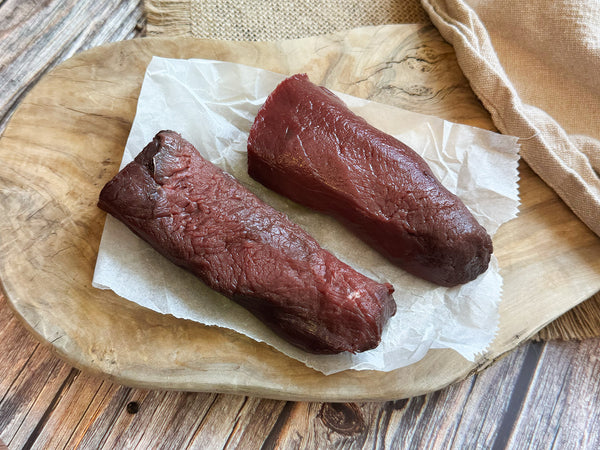
| Wild venison fillets | Sear or pan-fry | Very tender; keep cooking brief |
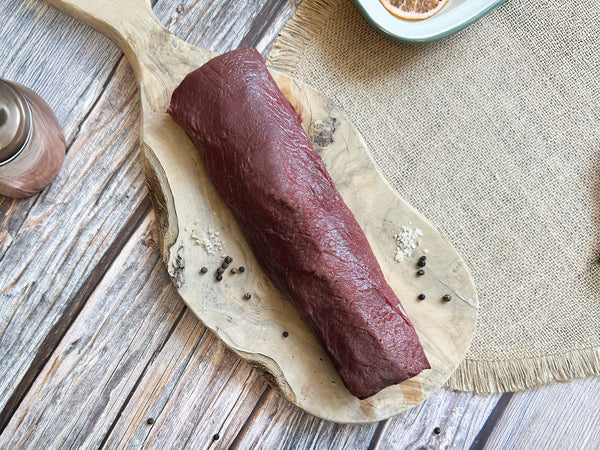
| Whole venison loin | Sear, roast or barbecue | Excellent served pink where appropriate |
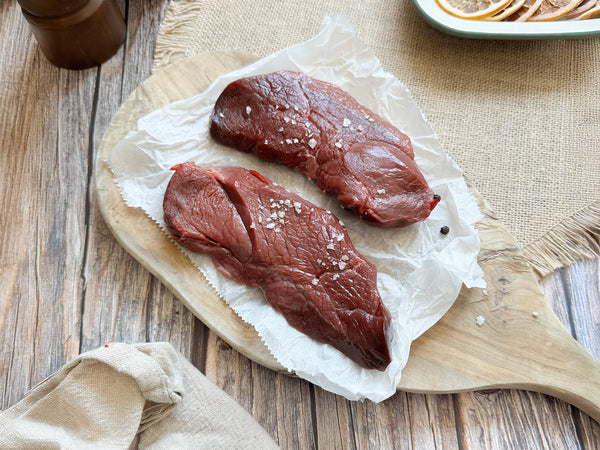
| Wild venison steaks | Pan-fry or grill | High heat and careful temperature control |
| Boned and rolled venison haunch | Roast | Check the centre with a thermometer |
| Shoulder | Braise or pot-roast | Give connective tissue time to soften |
| Shin | Stew or casserole | Long, moist cooking works best |
| Diced wild venison | Stew, casserole or slow cooker | Brown before adding liquid |
| Wild venison mince | Ragù, chilli, pie | Keep moist and cook thoroughly |
| Wild venison bones | Stock | Simmer gently to extract flavour |
Tender Cuts: Loin, Fillet, and Steak
Loin, fillet and steak come from muscles that do relatively little work. They contain less connective tissue, which makes them naturally tender before you start cooking.
When cooking these tender cuts, use strong heat and control the cooking time. A cast iron skillet works particularly well because it stores enough heat to create a dark crust quickly. You can also grill steaks over direct heat or sear a whole loin before transferring it to the oven.
A little neutral oil can also help achieve a perfect sear. Refined avocado oil works well at high temperatures because of its high smoke point. Olive oil also works, particularly at more moderate heat, although there’s little benefit in using an expensive extra-virgin oil for fierce searing.
Season generously enough to flavour the surface, but remember that a well-sourced piece of wild venison already has plenty of character.
Tougher Cuts: Shoulder, Shin, and Diced Venison
Braising and pot-roasting work particularly well for cooking shoulder. The muscle contains enough connective tissue that requires hours of gentle cooking, and the resulting gelatin gives the sauce body.
Shin needs similar treatment. Use it in stews and casseroles, where a long cook can turn a hard-working muscle into spoon-tender meat.
Diced venison gives you the same advantages with less preparation. Brown it in a hot pan in small batches first. Crowding the pan drops its temperature, causing the meat to release liquid and steam instead of browning. After searing, add the meat to your casserole and continue cooking slowly and gently until the pieces yield easily to a fork.
Venison Mince
You can use venison mince in many dishes that normally call for ground beef, including bolognese, chilli, meatballs, and cottage-pie-style dishes. However, its lower fat content means you need to pay closer attention to moisture. Tomato sauce, stock, or slowly cooked vegetables can help keep the finished dish tender and succulent. A little Worcestershire sauce also works particularly well in pie fillings, burgers or meatballs because it adds salt, acidity and savoury depth without covering the venison.
Cook mince thoroughly. The grinding process can move surface bacteria throughout the meat, so the food-safety rules differ from those for an intact steak. The same applies to venison sausages and burgers. Cook them thoroughly rather than treating them like an intact piece of rare meat.

How to Cook Venison Steak Without Drying It Out
A venison steak doesn’t need a complicated recipe. Just a dry surface and a hot pan, but you must pay attention to the temperature.
How to Cook the Perfect Venison Steak
Here's how to cook venison steaks perfectly:
- Start by patting the steak thoroughly dry. Season with salt and freshly ground black pepper immediately before cooking.
- Heat a heavy frying pan or cast iron skillet until hot. Add a small quantity of avocado oil or another neutral high-heat oil. You can use olive oil at a slightly gentler temperature.
- Lay the steak in the pan, pressing it down lightly so the surface makes full contact. Then leave it alone. Don’t move the steak continuously around the pan; uninterrupted contact creates better browning.
- Once the first surface develops a deep brown crust, turn the steak. If it's particularly thick, sear the edges too.
- Reduce the heat slightly near the end and add a knob of unsalted butter, crushed garlic cloves and fresh thyme or rosemary. Tilt the pan and spoon the foaming butter over the meat, turning occasionally so it cooks evenly.
- Check the centre with a meat thermometer. Remove the steak when it reaches your preferred doneness, then rest it for around five minutes.
If you’re using a grill, follow the same principle. Start over strong direct heat for colour, then move a thicker steak to a cooler area of the grill if the centre needs more time.
Internal Temperature When You Cook Venison
For an intact steak, an internal temperature of around 51-54°C produces a rare to medium-rare result. Around 54-57°C moves the meat further through medium-rare. These numbers describe culinary doneness for intact steaks. They don’t create one temperature rule for every venison product.
The Food Standards Agency (FSA) treats whole red-meat steaks differently from mince because bacteria sit principally on the outside of an intact piece. Thoroughly searing the exterior therefore matters when serving a whole steak pink.
For food that you intend to cook thoroughly, FSA guidance includes 70°C for two minutes, or an equivalent time-and-temperature combination. Apply thorough cooking to mince, burgers and sausages.
If you're pregnant, elderly, immunocompromised, or otherwise more vulnerable to foodborne illness, don't eat undercooked meat and follow conservative food-safety guidance.
Resting the Steak
Give a venison steak around five minutes to rest before slicing. Set it on a warm plate and cover it loosely rather than wrapping it tightly.
A larger roast needs longer. Use the resting time to finish your sauce. After cooking a steak, return the pan to moderate heat and loosen the browned residue with red wine, stock or a splash of water. A small amount of redcurrant jelly or blackberry can bring sweetness and acidity.

How to Cook Deer Meat Slowly with Low Heat
Some of the most flavourful venison comes from the cuts that require the most patience. Shoulder, shin, and diced meat respond particularly well to slow cooking.
Slow Cooker Venison
For a slow cooker, choose diced meat, shoulder, or shin rather than loin or fillet. Pat the meat dry, season it, and brown it in batches. Set the browned pieces aside, then soften chopped onions in the same frying pan. Carrot, celery, and mushrooms also work well, particularly when you have good fresh produce available.
Deglaze the pan with red wine, stock, or a mixture of both. Scrape the browned pieces from the base before transferring everything to the slow cooker.
You can season the liquid with thyme, rosemary, bay, juniper and garlic. A dash of Worcestershire sauce adds savoury depth; a little lemon juice or wine vinegar can sharpen a sauce that tastes too heavy.
Cook gently until the meat becomes fork-tender. Don’t rely on one universal time. Slow cookers differ, as do the size and age of the cuts. Test the meat itself. If a shoulder still feels firm, another hour of low heat will help more than turning the cooker up aggressively.
Braising With Red Wine
Red wine goes particularly well in a venison braise because it contributes acidity, tannin, and fruit while forming the base of a full-flavoured sauce. Here's how to braise your venison with red wine:
- Brown the meat first, then remove it, and cook onion, carrot, and celery in the same pan.
- Add garlic and tomato purée if your recipe calls for them.
- Pour in the wine and scrape up the browned residue before adding stock.
- Return the meat and cook it gently with rosemary, thyme, juniper, or bay.
- Keep enough liquid in the pan to create a moist environment without completely drowning the meat.
When cooking a pot-roasted shoulder, rotate the meat often so that both sides will get their share of the braising liquid. For shin or chopped meat, make sure that you stir often to prevent the sauce from being reduced too much. This method of cooking is best suited for the stronger flavour of game meat.

Seasoning, Moisture, and Flavour When Cooking Venison
Venison has a distinctive flavour, but strong seasoning isn’t the same as good seasoning. Start with what the cut needs, then build around it.
Adding Moisture to Lean Venison
When cooking lean meat, you need to add fat or liquid at the right time to keep it moist. For pan-fried steak, a small amount of oil starts the sear and butter finishes it. Don’t start with butter over extreme heat because the milk solids can burn before the steak browns.
In casseroles, stock, wine, and vegetables supply most of the moisture. Some recipes include streaky bacon or another fatty meat, which can work particularly well with shoulder or mince. Venison mince needs particular care because it lacks the fat that makes many beef mince dishes juicy. If a ragù looks dry, add stock or tomato rather than continuing to fry the meat.
Herbs and Aromatics That Work
The following herbs and seasonings go perfectly well with venison meat:
- Rosemary and thyme are dependable choices. Both have enough character to match wild game without making everything taste of herbs.
- Juniper berries bring pine, citrus, and peppery notes. Crush them lightly and use them sparingly because a few berries can perfume an entire casserole.
- Garlic, bay, and black pepper also work well. For a steak, add garlic and thyme to foaming butter during the final minute or two.
- You can use lemon juice in marinades or sauces, but keep the quantity controlled. Venison responds well to acidity, but it shouldn't taste intensely citrusy.
Fruit, Acidity, and Gamey Flavour
Wild venison reflects the animal’s varied natural diet and active life, which can produce a more pronounced taste than farmed beef.
Fruit gives that flavour a useful counterpoint. Venison flavour goes well with redcurrant, blackberry, blueberry, cherry, and apple. We recommend balsamic, red wine, redcurrant jelly, and blueberries for our wild venison fillets. Wine and balsamic vinegar provide acidity without introducing obvious sweetness.
If you’re new to wild game, start with a familiar dish. A venison ragù or slow-cooked pie makes an accessible introduction because tomatoes, stock, and aromatics round out the meat’s earthier notes.
Does Buttermilk Remove the Gamey Taste?
You don’t need to soak good venison automatically. Some cooks use milk or buttermilk when they want to soften the perception of a particularly strong game flavour. The dairy can mellow some aromas, but it won’t fix poor trimming or an unsuitable cooking method. If you choose to soak venison, keep it refrigerated, then drain it afterward and pat it completely dry before it hits the pan.
Try simpler changes first. Remove silverskin, avoid overcooking tender cuts, and use acidity thoughtfully. Red wine, balsamic vinegar or a small amount of lemon juice often gives the dish the balance it needs without masking the meat.
The Sustainability Case for Wild Venison in the UK
Fallow deer is widespread in England and Wales and commonly enters the venison supply chain, although availability varies by region and season. There are also red, roe, sika, muntjac, and Chinese water deer populations in the UK.
At the Organic Butchery, our wild game has a strong sustainability case, too. There are large wild deer populations in the UK with no natural predators capable of controlling their numbers at landscape scale. Therefore, land managers use controlled culling to protect woodland regeneration, crops, and biodiversity. Venison turns that necessary population management into food rather than waste.
We source wild game from West Country estates where deer live and forage freely. Wild game can't carry organic certification because nobody farms the animals under a controlled organic system.
If you'd like to make the most of every cut, our wild venison bones are ideal for creating rich homemade stocks and sauces. They also reflect our commitment to a thoughtful nose-to-tail philosophy, making full use of the animal while reducing unnecessary waste.
FAQs About How to Cook Venison
Can You Eat Venison Pink?
Yes, you can serve intact venison steaks and many venison roasts pink, provided you've seared the outside properly and handled the meat safely. Most chefs recommend cooking tender cuts to medium-rare because this preserves their natural tenderness and flavour. However, mince, burgers and sausages are different, and you should always cook them thoroughly.
Why Is My Venison Tough?
Venison usually becomes tough when you overcook it, or the cooking method doesn't suit the cut. You should cook tender cuts such as loin, fillet, and steak quickly over high heat, while shoulder and shin need slow, gentle braising or pot-roasting to break down their connective tissue. Always let venison rest before slicing, and cut across the grain to keep every bite as tender as possible.
How Long Can Venison Last in the Fridge?
Always follow the use-by date provided by your venison supplier or butcher and keep it refrigerated until you're ready to cook. If you won't use it before the use-by date, freeze it as soon as possible to preserve its quality. Defrost frozen venison slowly in the fridge before cooking rather than at room temperature.
Is Venison Healthier Than Beef?
Venison is naturally lean, making it a popular alternative to many cuts of beef. It's high in protein, rich in iron, and typically lower in fat, while still delivering plenty of flavour. Wild venison is also considered a low-carbon meat choice because it comes from free-roaming deer managed as part of responsible countryside conservation.
Which Wine Goes With Venison?
Venison pairs well with full-bodied red wines that complement its rich, earthy flavour. Pinot Noir offers a lighter option, while Syrah or Shiraz, Cabernet Sauvignon and Rioja all stand up well to the meat. When cooking, red wine also makes an excellent base for braises and sauces, particularly when combined with fresh herbs such as rosemary and thyme.
Can You Cook Venison From Frozen?
For the best results, thaw venison completely before cooking. Bringing steaks out of the fridge for a short time while you prepare your ingredients can help them lose their chill. There's no need to let them reach room temperature for 30 to 45 minutes. Fully thawed meat cooks more evenly, making it easier to cook tender cuts accurately. While you can cook small portions of ground venison from frozen in some recipes, the texture and browning are usually better after thawing. Always defrost larger joints and roasts fully before cooking.
Conclusion
The secret to cooking venison lies in choosing the right method for the cut. Treat loin, fillet, and steaks to quick heat and careful temperature control. Give shoulder, shin, and diced venison the time and moisture they need, and keep mince succulent with sauce and cook it thoroughly.
Wild venison also brings something different to the table. Deer live and forage freely, while managed culling helps keep populations in balance with woodland and countryside habitats. Using that meat respects the resource rather than allowing it to go to waste. At the Organic Butchery, our skilled team of butchers prepares every cut with traditional butchery techniques to deliver the best flavour and texture.