Game meat has long been part of traditional British cuisine. Nowadays, there’s no need to eat game meat only at country manors or expensive restaurants. People enjoy the delicious taste, low-fat content, and remarkable versatility of game in dishes ranging from cozy pies to sumptuous roast dinners.
Although game meat is a great alternative to regular meat, there’s a widespread misconception that it has an overpowering, gamey taste or is too difficult to prepare. Here’s what qualifies as game meat, its impressive nutritional and sustainability benefits, how it actually tastes, and the best ways to cook it at home.
Key Takeaways
- Game meat comes from wild or responsibly managed animals and birds such as venison, pheasant, wild duck, rabbit, and wild boar.
- Wild game develops a richer flavour and leaner texture because the animals forage naturally and stay active outdoors.
- Venison, guinea fowl, pheasant, and partridge are great starting points if you’re trying game meat for the first time.
- Game meat provides naturally lean protein, iron, and vitamin B while supporting responsible countryside and habitat management.
- Different types of game require different cooking methods, but simple techniques like roasting, pan-searing, and slow cooking deliver excellent results at home.
- Starting with individual servings makes it easy to explore new flavours and discover the types of game meat you enjoy most.

What Is Game Meat?
Game meat refers to meat from wild animals or birds traditionally hunted or harvested for food. This includes furred game such as venison, rabbit, wild boar, and hare, as well as feathered game such as pheasant, partridge, wild duck, guinea fowl, quail, and wood pigeon.
The main difference between game and domesticated animals is in how they live. Farmers raise conventional livestock, such as beef cattle, pork, and chicken, specifically for food production. On the other hand, wild game meat comes from animals hunted or managed within their natural habitat. These animals feed on their natural diet and live outdoors, which improves the meat's flavour and texture.
Game Meat Categories
Game meat is generally classified into two main categories:
- Wild Game Meat: Comes from animals hunted or harvested from their natural living environment as part of responsible land and wildlife management.
- Farmed Game Meat: Comes from game animals raised in controlled conditions with regulated feeding and welfare standards.
Wild animals hunted from the countryside tend to develop a more pronounced flavour because of movement and varied foraging. Farm-raised game meat usually has a milder taste and more consistent texture.
At The Organic Butchery, we source our wild game meat with care from trusted West Country estates that manage habitats and ecosystems. Our skilled butchers prepare every cut with precision and respect, so you can enjoy exceptional game meat with confidence.
Common Game Animals
Common game animals include furred and feathered game. Some of the most popular animals that make it to the game meat list in the UK include:
- Venison
- Wild boar
- Rabbit
- Pheasant
- Partridge
- Wild duck
- Guinea fowl
- Wood pigeon
- Quail meat
Wild venison, in particular, is a popular healthy source of protein because its lean meat is tender enough for quick cooking. Bison and ostrich are also considered game or exotic meat options because they share similar nutritional qualities. They both have a lean texture, low fat content, and high protein content.

Game Meat Flavour Profiles
The main reason many people are now interested in game meat is flavour. Wild game meat is more flavourful than many farmed meat options, and it doesn't taste intensely gamey.
Furred Game Meat
Venison
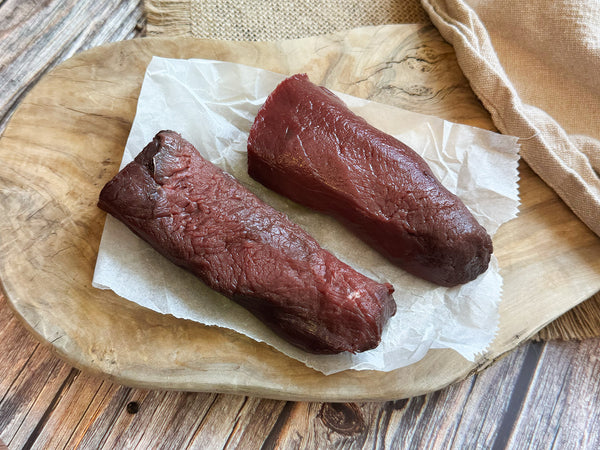
Venison, or deer meat, is the most popular type of game meat. It's naturally lean meat with very little fat marbling, which creates a clean and rich flavour. Compared with grass-fed beef, venison tastes slightly earthier and deeper without being intensely gamey.
If you want to cook venison at home for the first time, our expertly prepared wild venison fillets are the perfect tender introduction to wild game meat. Venison pairs beautifully with seasonal ingredients such as celeriac, blackberries, mushrooms, juniper, bay leaf, and red wine sauces.
Wild Boar
Compared to farm-raised pork, wild boar tastes richer and earthier, with a slight sweetness that many people enjoy. The animal’s constant movement and a varied natural diet make their meat darker and firmer than standard farm-raised pork. Slow cooking tougher cuts creates excellent depth of flavour, while sausages and steaks work well for hearty autumn dishes.
Rabbit
Wild rabbit meat is slightly sweet, with a mild game flavour that feels lighter than many other wild meats. Because wild rabbits are constantly active and forage naturally, the meat develops a lean texture and a subtle, earthy depth that's perfect for slow-cooked dishes.
Rabbit pairs especially well with herbs, mustard, cider, and root vegetables. Braising or slow cooking helps keep the meat tender while bringing out its rich, comforting flavour.
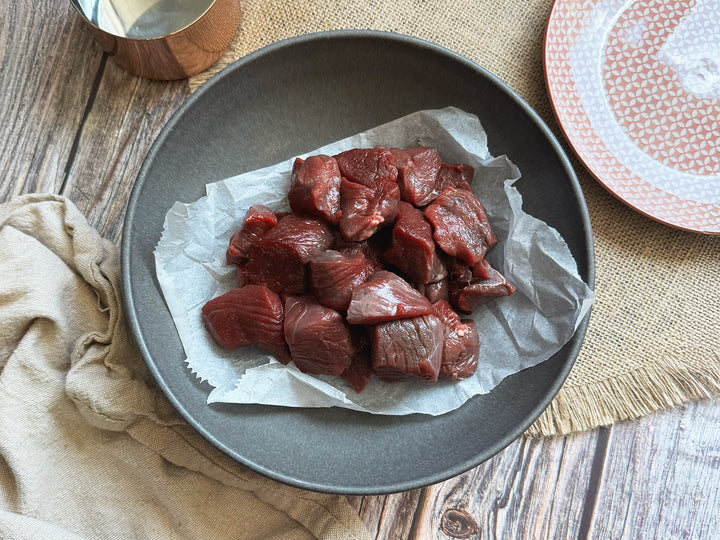
Fresh Game Meat
Rich, natural flavour from responsibly sourced game.
Shop NowFeathered Game
Feathered game includes the following elegant British birds well-suited to roasting and seasonal cooking.
Pheasant
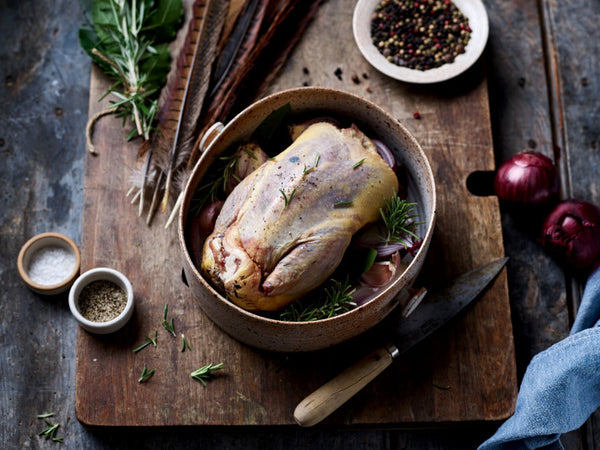
Pheasants spend their entire lives roaming outdoors, which gives the meat a naturally lean texture and richer flavour than chicken. The breast meat stays tender and light, while the legs deliver a deeper, more robust flavour.
For the best results with our whole wild pheasant, cook it slowly over low heat to keep the meat tender and juicy. Pheasant pairs especially well with root vegetables, butter-rich sauces, and a glass of red wine.
Partridge
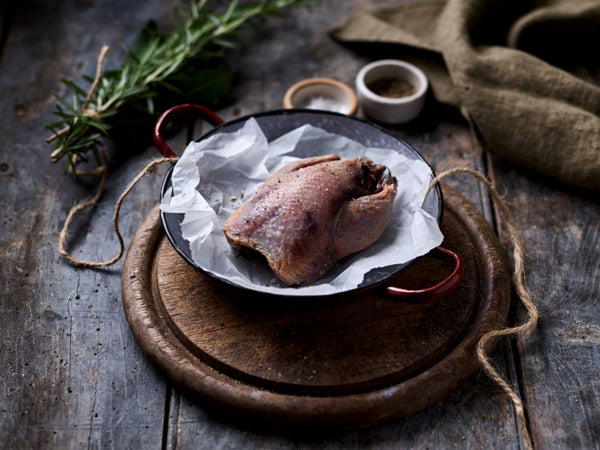
The elusive partridge is similar in many ways to its distant cousin, the pheasant. It also has succulent white meat on the breast and dark flavoursome leg meat. Unlike the pheasant, which is a home bird and rather territorial, the partridge, once released, is a free spirit. They immediately become wild, free-ranging, and foraging for their food. This lifestyle gives partridge meat a much more pronounced gamey flavour.
If you want to explore game meat, our whole wild partridge makes an excellent introduction. It works especially well in comforting dishes like a rich, warming hot pot.
Wild Duck
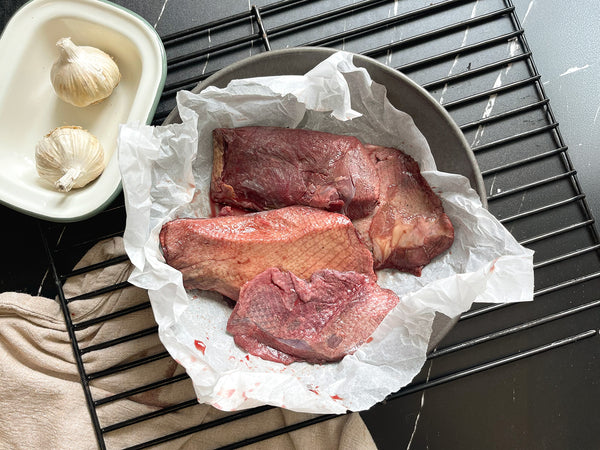
Wild mallard duck produces a lean, dark meat that works beautifully in autumn roasts, hearty casseroles, or simple pan-seared dishes with seasonal vegetables. Because wild mallards roam, forage, and fly freely, they develop a firmer texture and deeper flavour than farmed duck.
You can enjoy that distinctive flavour without complicated preparation. For instance, you can cook our wild duck mallard fillets quickly and pair them with blackberries, cherries, and rich marinades for an easy yet impressive meal.
Wild Pigeon
Wild wood pigeon offers one of the richest flavours among British game birds. Unlike pheasant or partridge, farmers don't rear wood pigeons for sport. They consider them vermin capable of destroying crops. Controlled hunting helps protect crops and maintain farming productivity. This makes wild pigeon one of the most sustainable game meats available in the UK.
Because wild wood pigeons spend so much time flying, they develop darker, firmer meat with a deep flavour similar to duck or goose. This is why our whole wild pigeon has a rich flavour that pairs well with quick pan-fried dishes, hearty salads, and classic game recipes.
Guinea Fowl
Guinea fowl has a richer, slightly gamier flavour than chicken. Because guinea fowl roam freely and stay naturally active, the meat develops a firmer texture and deeper flavour.
Guinea fowl meat is perfect for roasts, casseroles, and slow-cooked dishes. Its rich flavour pairs beautifully with wild mushrooms, garlic, cream sauces, and seasonal vegetables.
Quail
Quail has delicate, tender meat with a subtle game flavour that feels lighter and more refined than larger game birds. Their active lifestyle gives the meat a lean texture and a slightly richer taste than chicken without overwhelming the palate.
Quail cooks quickly and works perfectly for elegant starters, simple roasts, or pan-fried dishes. It pairs well with honey glazes, fresh herbs, fruit sauces, and light seasonal sides.

Is Game Meat Healthy and Sustainable?
Many people love wild meat sourced from producers with stronger welfare standards and a closer relationship to sustainable countryside management.
Nutritional Benefits of Wild Game Meat
Game meats are naturally leaner than many conventional red meat products. This is because game animals move constantly and feed naturally. The meat often contains:
- High-quality lean protein
- Slightly lower fat levels
- Iron and vitamin B
- Omega-rich nutrients from varied forage
The Importance of Ethical Sourcing
Responsible game animal management supports sustainable food production. Across the West Country, regulated estates carefully manage habitats that encourage biodiversity, protect woodland environments, and support flora and fauna.
Without this stewardship, many countryside ecosystems would struggle to thrive. Ethical harvesting supports responsible population control and maintains a balance between wildlife and the landscape.
Animal welfare is also important throughout the process. Ethical sourcing standards focus on respect for animals, proper handling, full traceability, and reducing unnecessary waste.
At The Organic Butchery, we have a strong commitment to our nose-to-tail philosophy. When wild animals hunted as part of countryside management enter the food chain responsibly, we ensure that valuable meat doesn't go to waste.

What Does Game Meat Taste Like?
One of the biggest misconceptions about game meat is that it tastes overpoweringly gamey. In reality, its flavour varies depending on species, age, season, handling, and cooking process.
Understanding the Gamey Flavour
Game meat typically carries earthy notes with more mineral depth than domesticated meat. Some people compare it to a richer version of beef or duck, while others notice herbal or woodland characteristics.
Importantly, gamey flavour doesn't mean unpleasant. Wild animals feeding naturally on grasses, berries, roots, acorns, and forage often develop a more complex flavour than farm-raised meat. The lower fat content also changes how the meat tastes on the palate.
Which Game Meats Are Best for Beginners?
If you're trying game meat for the first time, milder varieties usually provide the best introduction. Good choices to start with include:
- Venison fillets
- Guinea fowl
- Boar meat
- Farm-raised game birds
- Partridge
- Wild duck breast
- Ostrich steak
Factors That Affect Taste
The following factors influence what game meat tastes like:
- The animal's diet
- Age and species
- Hanging methods
- Butchery quality
- Cooking method
- Fat content
An older individual animal living entirely in the wild often develops a stronger gamey flavour than younger pasture-raised game.
How to Cook Game Meat Properly
Because most wild game contains less fat than conventional farmed meat, the meat cooks differently from heavily marbled beef or intensively reared poultry.
Game Meat Requires Different Cooking Methods
Wild game meat dries out quickly, so don't overcook it. Lean muscle fibres tighten rapidly under heat, which can create a tough texture. This is why game meat requires greater attention to temperature and timing.
For tender cuts such as venison fillets, use quick high-heat cooking. Tougher cuts from large game require slow or pressure cooking to gently break down connective tissue. Rest the meat after cooking to redistribute the juices throughout the meat and maintain tenderness.
Best Cooking Methods for Different Types of Game
Roasting
Whole birds such as partridge, pheasant, and duck respond beautifully to roasting. For the best results:
- Roast at a relatively high temperature
- Baste regularly with butter or pan juices
- Avoid overcooking the breast meat
- Rest before slicing the meat
Pan-Searing
Pan-searing suits tender cuts such as venison fillets and saddle chops. A very hot pan creates a rich crust while keeping the centre pink and juicy. Because venison has less fat marbling than beef, it can overcook quickly, which affects texture.
Red wine sauces, blackberry reductions, and rich marinades complement venison particularly well.
Slow Cooking
Wild boar, goat meat, tougher venison cuts, and some larger game cuts require slow cooking. Long, gentle cooking softens connective tissue and develops deep flavour. This method suits stews, casseroles, pies, and hearty game meat recipes.
Bay leaf, juniper, root vegetables, barbecue sauce, and warming spices can pair naturally with slow-cooked game. You can also use wild ground meat (venison or boar) with a carefully balanced seasoning and fat to create delicious burgers.
Recommended Internal Temperatures
Food safety matters when preparing wild meat. Recommended internal temperature guidelines include:
|
Type of Game |
Recommended Internal Temperature |
|
Large game (venison, wild boar, bison meat) |
71°C / 160°F |
|
Ground game meat |
71°C / 160°F |
|
Feathered game and wild duck |
74°C / 165°F |
Use a calibrated meat thermometer to avoid undercooking.
Common Mistakes When Cooking Game Meat
Many cooking problems come from treating game exactly like conventional farmed meat. The most common mistakes include:
- Overcooking lean cuts
- Under-seasoning
- Skipping resting time
- Using excessive heat for too long
- Ignoring internal temperature guidance
Because game meat contains less fat, high-fat marinades or careful basting sometimes help retain moisture during the cooking process.
Wild Game vs Farmed Game Meat
Both wild game and farm-raised game meat have their place in modern cooking. Understanding the differences helps people choose the best option for their recipes and flavour preferences.
Differences in Flavour and Texture
Wild meat usually develops exceptional flavour because the animals move freely and forage naturally. The natural diet of truly wild animals often creates:
- Firmer texture
- Lower fat content
- More pronounced gamey flavour
- Earthier flavour profiles
Farm-raised game tends to taste cleaner and milder because feeding conditions remain more controlled. For beginners, pasture-raised meat feels more familiar. But experienced cooks often enjoy the complexity found in truly wild game meat.
Sustainability and Regulation
Game sourcing in the UK operates under strict regulation and seasonal controls. Responsible estates carefully manage populations and habitats while supporting biodiversity and countryside conservation.
Traceability also matters. Ethical suppliers maintain high standards for handling, transport, hygiene, and preparation. Trusted sourcing relationships and traditional butchery standards help maintain consistency.
Frequently Asked Questions
Is Game Meat Healthy?
Game meat is naturally leaner than conventional red meat while still providing high-quality protein, iron, and B vitamins. Popular choices such as venison and other small game meats like rabbit often contain less fat than beef or pork. Farmed and responsibly sourced game can also be free of artificial growth hormones and antibiotics, making it a popular option for a more natural diet.
What's the Best Game Meat for Beginners?
Venison, guinea fowl, and partridge offer a refined flavour without tasting too strong or overly gamey. If you prefer milder meats, pheasant and partridge are perfect alternatives to free-range chicken options. Many people also enjoy starting with these small game birds because they're versatile and easy to cook in familiar recipes.
Is Wild Boar Pork?
Wild boar belongs to the pig family, but it tastes quite different from standard pork. Wild boar meat is darker, leaner, and slightly sweeter, with a richer and earthier flavour profile. The animal’s natural diet and active lifestyle create a firmer texture and deeper flavour than conventional pork meat.
Is Game Meat Sustainable?
When you source it responsibly, game meat supports habitat management, biodiversity, and reduces food waste. Even farmed game meat has a lower environmental impact compared to many intensive farming systems. Ethical sourcing plays an important role in protecting wildlife populations while still providing high-quality meat.
Can You Buy Organic Game Meat?
Wild game can't be certified as organic because the animals roam freely in their natural habitat. However, many suppliers offer a wide range of products, from premium steaks to speciality meats labelled organic, such as ostrich meat and gourmet goat meat entrees. If you see wild venison labelled as organic, the supplier is likely misusing the term. Look for phrases like wild-harvested, sustainably foraged, or ethically sourced for true wild game, and reserve the organic label for certified farmed specialties.
How Should I Store Game Meat?
Store game meat in the refrigerator below 5°C and cook it within the recommended timeframe for the specific cut. Freezing also works well for many game meats and helps preserve freshness for longer periods. Keep raw game meat separate from ready-to-eat foods to reduce the risk of cross-contamination, especially when handling wild or uncooked products.
Conclusion
Game meat is a naturally lean source of protein that delivers rich flavour and more variety than standard everyday meats. From venison and pheasant to wild duck and partridge, wild game offers something unique without complicated cooking techniques or specialist skills. Starting with individual servings makes it easy to explore different flavours, discover your favourites, and cook confidently at home.
At The Organic Butchery, we work with trusted estates and skilled butchers to provide carefully sourced, high-quality wild game prepared with care. If you’re planning a simple midweek dinner or a seasonal feast, our wild game collection can help you bring something memorable to the table.