Cooking salmon at home can be daunting at first, but it's actually quite easy once you've learned the right cooking methods. Even if you're after the convenience of baking, the skin crunch of pan-frying, or that delicious smoky flavor from grilling, you can easily make restaurant-quality salmon at home.
This guide highlights some of the best ways to cook salmon at home. It explains everything you need to know, from sourcing the best-quality fish to proper preparation and cooking, using methods such as baking, pan-frying, air-frying, grilling, and poaching.
Key Takeaways
- If you're new to cooking salmon, baking it at 190°C is one of the easiest ways to get great results.
- A thermometer takes the guesswork out of cooking. Aim for 50-52°C if you like your salmon medium-rare, or 63°C if you prefer it fully cooked.
- Pat the salmon dry before it goes into the pan or oven. It helps the surface brown nicely and gives you a better chance of achieving crispy skin.
- Leave the skin on when cooking. It helps protect the fish from direct heat and keeps the flesh moist while it cooks.
- The cooking method you choose determines the final result. Baking produces tender, flaky fish, pan-searing creates a crisp golden crust, grilling adds smoky flavour, and poaching keeps the fish soft and moist.
- High-quality organic salmon makes a difference. Starting with high-quality fish will give you better flavour, texture, and more consistent results.

What Makes Salmon A Household Favourite
Salmon has earned its place as a household favourite because it's easy to cook, versatile, and packed with nutrition. Unlike many delicate white fish, salmon contains natural oils that help keep it moist during cooking.
Nutritional Information and Health Benefits
Salmon is an oily fish rich in omega-3 fatty acids, which help support heart health and brain function. It also provides high-quality protein, vitamin D, vitamin B12, selenium, and potassium.
A typical serving delivers substantial protein while remaining relatively low in saturated fat. The NHS recommends eating at least two portions of fish per week, including one portion of oily fish, as part of a balanced diet. This is because oily fish such as salmon are rich in omega-3 fatty acids, which support heart health.
Different Types of Salmon
There are five main types of salmon available. These include:
- Atlantic Salmon: The most widely available option. Rich, mild, and versatile.
- Sockeye Salmon: Deep red flesh with a more pronounced flavour.
- King Salmon (Chinook): Highly prized for its rich texture and higher fat content.
- Coho Salmon: Milder than Sockeye but firmer than Atlantic.
- Pink Salmon: Lighter in flavour and often used in canned products.
Each variety cooks slightly differently, but the techniques in this guide work well across all types.
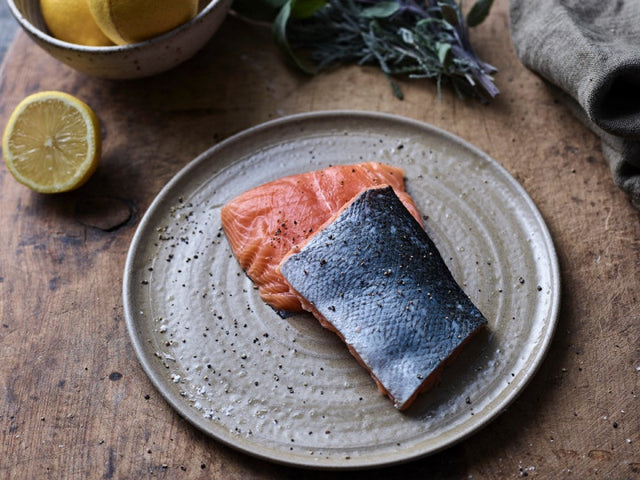
Organic Salmon
Award-winning quality you can taste
Shop NowChoosing Quality Salmon
Quality starts before cooking. Here's what to look for:
- Firm flesh that springs back when pressed
- A clean, fresh smell rather than a strong fishy smell
- Vibrant colour without dull patches
- Moist appearance without excessive liquid
Frozen and fresh salmon can both produce excellent results. Modern freezing techniques preserve quality exceptionally well. That's why sourcing matters when you want high-quality fresh or frozen salmon.
At The Organic Butchery, we source our Organic Salmon from an award-winning salmon farmer, based in Grimsby, UK. The fish live in a natural environment, producing strong, muscular, firm, well-textured flesh and a rich, satisfying flavour.
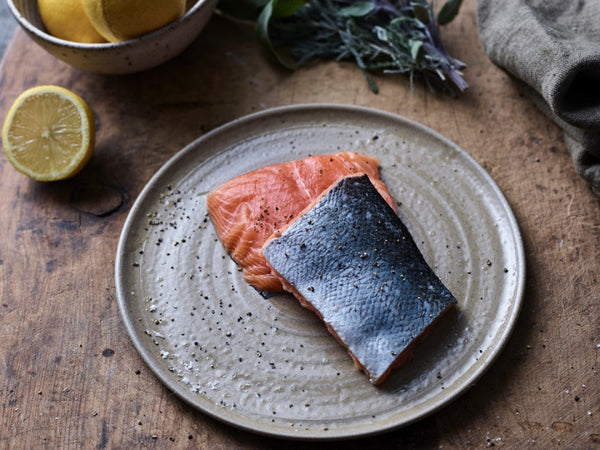
If you're just learning how to cook salmon, start with our Organic Salmon Fillets for consistent quality and reliable results. Their firm texture, balanced flavour, and even fat distribution make them easy to cook and help you achieve tender, flaky salmon.

Preparation Before You Cook Salmon
Preparation often determines whether salmon turns out beautifully or disappointingly.
Skin-On vs Skinless Salmon
Whenever possible, choose skin-on salmon. The skin acts as a natural barrier between the flesh and the heat source, helping prevent overcooking. It also creates the opportunity for crispy skin when pan-frying.
Skinless salmon still cooks well, particularly when baking or poaching, but it requires slightly more prep time and attention to avoid drying out.
Seasoning for Instant Flavour
Salmon doesn't need complicated marinades. Season with a simple combination of:
- Kosher salt
- Black pepper
- Lemon juice
- Garlic powder
- Fresh thyme
- Unsalted butter
These can add instant flavour without overpowering the fish. For an easy recipe, drizzle extra virgin olive oil over the salmon fillets before seasoning.
Common Mistakes Before Cooking
Avoid the following common errors:
- Cooking wet fish
- Starting with very cold salmon straight from the fridge
- Overloading the fish with seasoning
- Skipping the drying step
Pat salmon dry with kitchen paper before cooking. Moisture prevents crispy skin and makes searing difficult.
Tools That Make Cooking Easier
Helpful tools include:
- Cast iron skillet
- Oven-safe frying pan
- Instant-read thermometer
- Sheet pan
- Parchment paper
A thermometer is especially helpful since the internal temperature is the most consistent measure of doneness.

How to Bake Salmon in the Oven
Oven-baked salmon is the easiest and most foolproof method for beginners.
Best Temperature to Bake Salmon
The best temperature for baking salmon is about 190°C. The heat is perfect for slow and even cooking. You can even bake salmon at 200°C if you need faster cooking.
Steps for Baking Salmon in the Oven
- Preheat your oven to 190°C.
- Line a baking pan with parchment paper.
- Dry the salmon.
- Brush with olive oil or melted butter.
- Add salt and pepper.
- Garnish with lemon and thyme leaves.
- Lay down the salmon skin-side down on the baking pan.
- Bake for 12-16 minutes depending on the thickness of the fish.
- Let it rest for 2-3 minutes before serving.
Thicker fillets will take slightly longer to cook.
Internal Temperature Guide
The most accurate way to check for salmon's doneness is by inserting a meat thermometer into the thickest part.
|
Doneness |
Internal Temperature |
|
Medium-rare target |
50°C |
|
Medium-rare serving temperature |
52°C |
|
FDA recommendation |
63°C |
Remember that salmon will continue cooking after you've removed it from the oven.
How to Know When Baked Salmon Is Done
Signs of perfectly cooked salmon include:
- Opaque flesh
- Easy flaking with a fork
- Slightly translucent centre for medium rare cooking
- Correct internal temperature reading
Avoid waiting until the fish looks completely dry. Residual heat will continue cooking the flesh after you've removed it from the oven.

How to Cook Salmon in a Pan for Crispy Skin
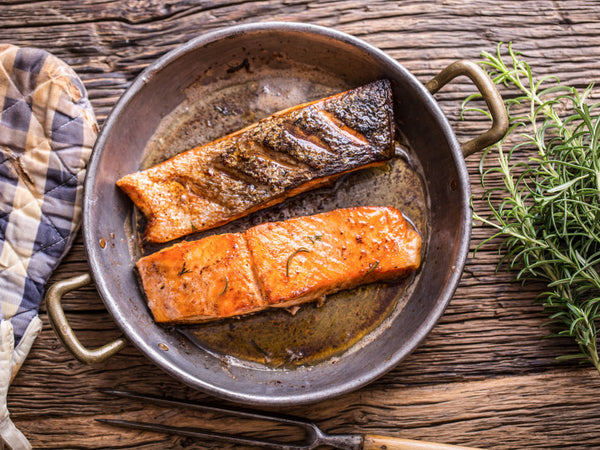
Many chefs consider pan-searing followed by oven finishing to be the best way to cook salmon.
What Makes Pan-Seared Salmon So Popular
Pan-seared salmon produces restaurant-quality results because direct contact with a hot pan triggers the Maillard reaction. This creates:
- Crispy skin
- Rich flavour
- Attractive colour
- Tender interior
It's the same reason pan-fried salmon often appears on menus at fancy restaurants.
Step-by-Step Pan Fry Method
- Pat the piece of salmon completely dry.
- Season with kosher salt and black pepper.
- Heat a little oil in a frying pan over medium-high heat.
- Wait until the pan is hot.
- Place salmon skin side down.
- Press gently for 10 seconds.
- Cook for 4-5 minutes.
- Flip carefully.
- Cook for another 3-5 minutes.
Vegetable oil works well because it has a higher smoke point.
Finishing in the Oven
For thicker cuts, sear salmon first, then transfer the pan to a 190°C oven. This method gives you crispy skin while reducing the risk of a raw centre. Many professional chefs prefer this cooking method because it provides excellent temperature control.
Troubleshooting Common Pan-Frying Problems
The following are common pan-frying problems home cooks encounter:
- Skin Sticks to the Pan: The pan wasn't hot enough, or the fish wasn't dry.
- A White Substance Appears: This is albumin, a harmless protein released during cooking.
- Raw Centre: Finish the salmon in the oven.
- Overcooked Exterior: Lower the heat slightly and monitor the internal temperature more carefully.

Air Fryer, Grill, and Poached Salmon Methods Compared
Each method creates a different texture and flavour profile.
Air Fryer Salmon
Air fryer salmon is ideal for busy households. Follow this step-by-step method:
- Preheat to 200°C.
- Lightly oil the fish.
- Cook for 7-10 minutes.
The circulating air creates a lightly crisp exterior while keeping the centre moist.
Grilled Salmon
Grilling introduces a smoky flavour that you can't replicate indoors. To grill salmon:
- Preheat the grill.
- Oil the grates.
- Cook for 3-5 minutes per side.
Cooking directly over an open flame creates appealing charred notes.
Poached Salmon
Poached salmon remains exceptionally moist. Here's the step-by-step method for poaching salmon:
- Bring water or stock to a gentle simmer.
- Add aromatics such as lemon and herbs.
- Cook for 10-12 minutes.
This simple recipe is excellent for salads and lighter meals.
Which Method Should You Choose?
|
Method |
Texture |
Difficulty |
Time |
Best For |
|
Baked |
Tender |
Easy |
12-16 mins |
Beginners |
|
Pan-seared |
Crispy outside |
Moderate |
8-10 mins |
Restaurant-style meals |
|
Air fryer |
Slightly crisp |
Easy |
7-10 mins |
Quick dinners |
|
Grilled |
Smoky |
Moderate |
6-10 mins |
Summer cooking |
|
Poached |
Soft and moist |
Easy |
10-12 mins |
Salads and light meals |
Delicious Salmon Recipes and Flavour Ideas
Once you've mastered the basics, there are more recipes worth trying.
Classic Lemon and Herb Salmon
Roast salmon with:
- Lemon slices
- Fresh thyme
- Butter
- Black pepper
Serve alongside steamed broccoli and roasted potatoes.
Garlic Butter Oven Baked Salmon
Combine melted butter, garlic powder, lemon juice, and herbs before baking. This results in a rich, comforting meal, ideal for the whole family.
Hot Smoked Salmon Ideas
Hot smoked salmon works beautifully in:
- Pasta dishes
- Salads
- Sandwiches
- Grain bowls
- Brunch plates
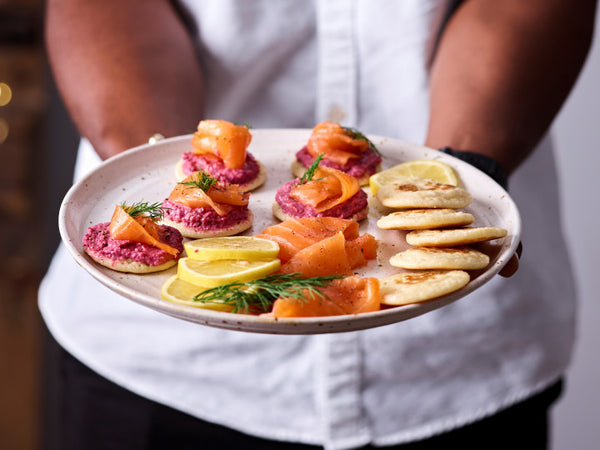
We take our Hot Smoked Organic Salmon Fillets and Organic Oak Smoked Salmon to a smokehouse to create depth and complexity while keeping them incredibly versatile. The oiliness of the fish draws in the earthiness of the smoke, giving the flesh depth and complexity.
Healthy Weeknight Salmon Bowls
Build a quick dinner with:
- Flaked salmon
- Brown rice or quinoa
- Steamed vegetables
- Avocado
- Lemon dressing
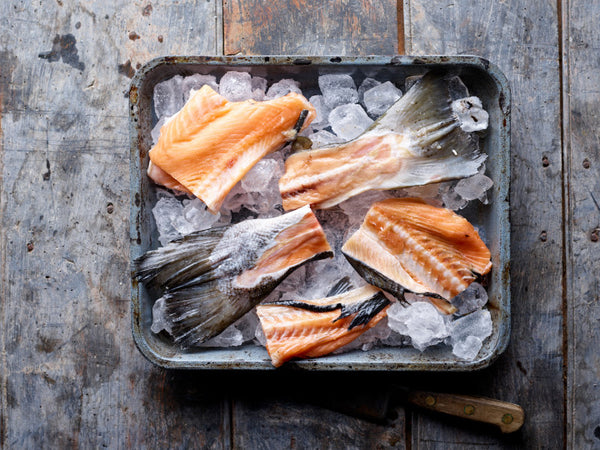
It's a nutritious meal that comes together quickly. You can also make fish broth or stock at home with our Organic Salmon Frames. These skeletons and fish tails harbour a huge amount of flavour and they can deliver plenty of goodness when they're gently bubbled into a stock or broth.
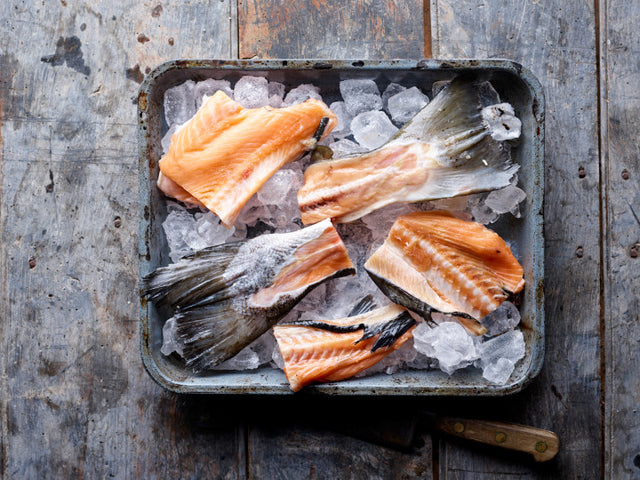
Organic Salmon Frames
Quality organic salmon beyond the fillet
Shop NowStorage, Reheating, and Freezing Tips
How Long Does Salmon Last in the Fridge?
Cooked salmon lasts approximately 3-4 days when stored in an airtight container. Allow it to cool before refrigerating.
Freezing Salmon Properly
You can freeze salmon for up to 3 months. Wrap tightly to prevent freezer burn and label with the date.
Best Reheating Methods
To prevent drying out:
- Reheat gently in a low oven
- Add a small amount of butter or oil
- Cover loosely with foil
Avoid high temperatures, which quickly dry the fish.
Frequently Asked Questions
Can I Cook Frozen Salmon?
Yes, you can cook frozen salmon without thawing it first. Increase the cooking time by around 50% and check the internal temperature before serving. Baking is often the easiest method for frozen salmon because it cooks the fish evenly. Covering the salmon for the first part of cooking can help retain moisture and prevent the outside from drying out before the centre cooks.
Is Baked Salmon Healthier than Fried Salmon?
Both methods can form part of a healthy diet, but baked salmon typically requires less added fat. Baking also gently cooks the fish while preserving much of its nutritional value, including protein and omega-3 fatty acids. If you prefer pan-fried salmon, cook it over medium heat with a small amount of oil or butter to achieve excellent flavour without adding excessive fat.
What's the Best Way to Cook Salmon for Beginners?
Baking at 190°C (375°F) is usually the best place to start. It requires very little hands-on attention and produces reliable results. Most salmon fillets will cook in around 14-16 minutes, depending on thickness. If you're looking for restaurant-quality results later on, try using an oven-safe cast-iron skillet to pan-sear the fish before finishing it in the oven.
Can I Reheat Cooked Salmon?
Yes. Reheat cooked salmon gently to maintain its texture and flavour. Place it in a low oven, loosely covered with foil, until it warms through. Avoid high temperatures, which can dry out the fish and make it tough. Leftover salmon also works well cold in salads, grain bowls, and sandwiches.
Which Salmon Variety Tastes Best?
The answer depends on your personal preference. King salmon has a rich flavour and buttery texture, which is why many seafood lovers give it 5 stars. Sockeye salmon has a deeper colour and a more robust taste, while Atlantic salmon offers a milder flavour that works well in a wide range of recipes. High-quality organic salmon provides excellent flavour regardless of the variety.
How Do I Stop Salmon from Drying Out?
You must control temperature and cooking time. Use a thermometer to monitor doneness and remove the fish slightly before it reaches your target temperature, as it will continue cooking while resting. Skin-on salmon helps protect the flesh from direct heat and keeps it juicy. Moist cooking methods such as poaching, which takes around 10-12 minutes in simmering water, and steaming can also help retain moisture while producing tender, flaky results.
Conclusion
Learning how to cook salmon becomes much easier once you understand temperature, timing, and technique. For beginners, baking at 190°C offers the simplest route to consistently good results. If you're craving that crispy skin and restaurant-quality flavour, pan searing followed by oven finishing remains hard to beat.
The trick is to monitor the internal temperature rather than relying solely on cooking times. Aim for around 50-52°C if you enjoy medium-rare salmon, or cook to 63°C, according to FDA guidance. Remember that quality ingredients make a noticeable difference. Premium, responsibly sourced organic fish provides better texture, flavour, and consistency.