Cooking a whole chicken can be a daunting task if you’re a beginner. There are a lot of things to worry about, such as the risk of undercooking, drying out, or failing to achieve a golden-brown, crispy skin. However, once you grasp a great recipe and a few tips and tricks, it’s one of the most reliable dishes you'll ever make.
A perfectly cooked roast chicken is enough to feed a family, and you'll still have enough left over for tomorrow's lunches and a carcass for making a delicious stock or soup. When cooking a whole chicken, you also take control of the ingredients, from the spices you use to the quality of the meat.
This guide provides valuable tips on how to cook a whole chicken for a flavour worth all the effort and time. We recommend starting with a certified organic chicken, carefully sourced from trusted farms and prepared by skilled butchers who care about welfare, flavour, and craft.

Why Cooking a Whole Chicken Is Better Than Pre-Sliced Parts
Roasting a whole chicken is a cost-effective, rewarding process that yields a versatile meal many people enjoy. If you’re a beginner in the kitchen, once you master how to roast a chicken, many other cooking skills will become easier.
Better Value for Money
Cooking a whole chicken also gives you better value for money than buying separate pieces. You’re getting breasts, legs, thighs, wings, and even bones to make a good broth in one package. This makes it ideal for families, meal preppers, and anyone trying to cook for a large group on a budget.
A single roast chicken can provide several meals, especially with leftovers. You can have it with roast potatoes for dinner, then sandwiches, salads, wraps, and even soup, followed by a good broth from the carcass.
Superior Flavour and Texture
Bone-in cooking ensures a better flavour in the final dish. As the chicken cooks, the bone, skin, and juices contribute to a better flavour and texture. It also ensures that the fat in the skin bastes the breast meat as it cooks, ensuring it stays juicy.
That’s why the perfect roast chicken comes from a whole bird, because it tastes better than pre-cooked, pre-sliced parts.
Health and Ingredient Control
Cooking a whole chicken also ensures that you have control over the ingredients used in the dish. You can put as much or as little salt as you like, and choose to rub the skin with olive oil or melted butter. It ensures you can keep the ingredients to a minimum, with fresh chicken, salt, black pepper, herbs, garlic, lemons, and butter for a perfect roast chicken. These go inside the cavity, giving it flavour from the inside out, which isn’t possible with a chicken breast.

Choosing the Best Chicken: Why Quality Matters
If you want the best roast chicken recipe, the quality of the chicken is more important than any other factor. A good oven and a meat thermometer are important factors in making a perfect roast; however, the quality of the chicken determines the final outcome.
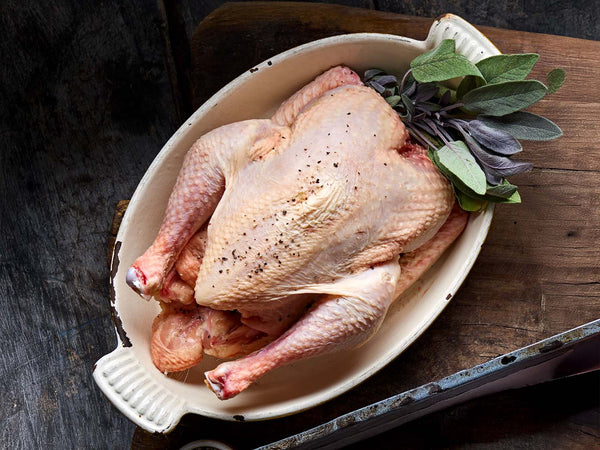
Choose a fresh and properly butchered whole chicken. It should have intact skin, a normal colour, not be dull, and be plump enough for its size. A 1.5kg to 1.8kg chicken is a good choice for a beginner, as it cooks well and takes a reasonable amount of time.
Organic free-range chicken tastes way better than standard broilers. With organic meat, there are stricter standards around feed, welfare, and farming practices. This is why our organic chicken has a rich, clean, deeply savoury flavour, with tender meat and golden skin.
At the Organic Butchery, our chicken meat reflects careful farming, skilled butchery, and award-winning organic standards. If you’re planning future roasts beyond chicken, check out our collections of organic beef, organic lamb, organic duck, organic turkey, and organic fish.

Roasted Chicken Ingredients and Equipment
You don’t need a long shopping list to make a fantastic roast chicken recipe. In fact, keeping things simple is usually the way to go, especially when you're making roasted chicken for the first time.
Essential Ingredients
For a classic roast chicken, you’ll need:
-
1 whole chicken
-
olive oil or melted butter
-
salt and black pepper
-
garlic powder
-
Italian seasoning
These simple ingredients are enough to produce crisp, savoury skin and juicy meat. Since the recipe calls only for a handful of ingredients, it lets the chicken flavour come through.
Optional Additions
After covering the basics, you can add flavour with a few extras. Lemon slices, halved lemon, garlic cloves, minced garlic, lemon zest, fresh rosemary, and other fresh herbs all work beautifully. Tuck them into the chicken cavity or scatter them in the roasting tray.
If you’re combining olive oil, garlic powder, salt, black pepper, and Italian seasoning, you'll need a small bowl to mix your seasoning paste before rubbing it over the bird.
Equipment
You’ll need a roasting pan or roasting tray, a sharp knife, a chopping board, kitchen paper, and a meat thermometer. The most accurate way to check for doneness is to insert an instant-read meat thermometer into the thickest part of the thigh. This eliminates guesswork.
You’ll also need an oven and a carving board large enough to carve the chicken cleanly. The Food Standards Agency further recommends having a clean thermometer to check the centre or thickest part of the food for doneness.

A Step-by-Step Guide on How to Roast a Whole Chicken
This bit is the core of the recipe. If you follow it once or twice, roasting a whole chicken will no longer be intimidating.
Step 1: Prepare the Chicken
Take the chicken out of the fridge 30 to 45 minutes before cooking to lose some of its chill. Preheat the oven to 220°C, or 200°C fan.
Remove the giblets from the cavity, then dry the whole chicken, including the skin around the legs and wings, with kitchen paper.
After drying the chicken, rub salt all over the chicken to add flavour. Salt also draws out deep-seated moisture in the chicken's skin. This step is important for achieving a better, crunchier, crisper skin.
Don’t wash the chicken. According to the Food Standards Agency, it’s not necessary to wash raw chicken. Splashes of water can spread harmful bacteria around the sink and kitchen surfaces.
Step 2: Season Generously
Place the chicken in your roasting pan with the breast side facing up, and rub it with olive oil or melted butter. Mix salt, black pepper, garlic powder, and Italian seasoning in a bowl, then sprinkle the mixture over the placed chicken.
Don’t forget the inside of the chicken, too! Add half a lemon, a few cloves of garlic, and a sprig of rosemary if you like. To add extra flavour to your dish, loosen a little of the skin on the breast and sprinkle some seasoning underneath it.
Step 3: Truss or Not?
You can truss the legs together with kitchen string if you like, but it’s not really necessary. This will help your chicken look a little neater if you tie the legs together. Many people don’t truss the legs at all and simply leave them open. It allows the chicken to cook evenly and helps hot air circulate freely for an even cooking result.
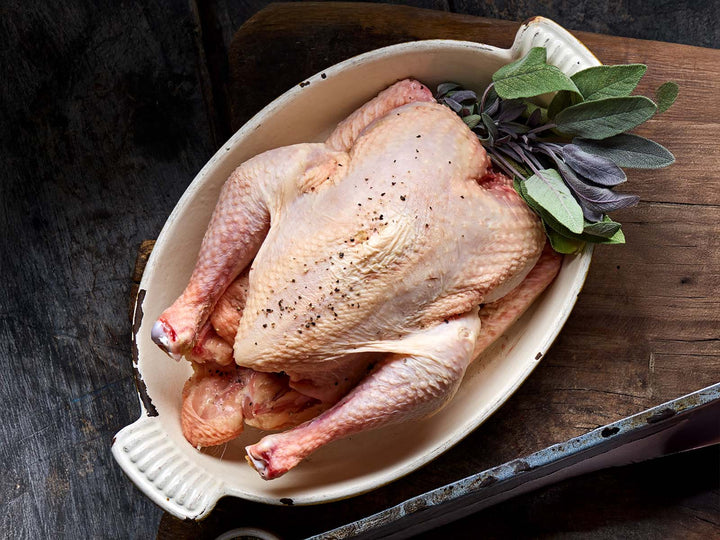
Organic Whole Chicken
Honest Meat, Exceptional Taste.
Shop NowStep 4: Roast the Chicken
Next, you should put the chicken in the oven and roast it at high heat so the skin crisps up nicely. A general rule of thumb for cooking a chicken is 20 minutes per 500g, plus an extra 20 minutes. Cooking time, however, can vary depending on your oven and the size of the chicken.
For a 1.5kg chicken, that usually means roughly 1 hour and 20 minutes. For a 2kg bird, allow about 1 hour and 40 minutes.
If the top of the chicken starts cooking too fast, you can cover it with aluminium foil, though for most of the cooking, the chicken should remain uncovered so that the skin can crisp up nicely.
You can also add onions, carrots, or potatoes around the chicken for the last 30 minutes or so, though you'll need a large enough pan to do this. As the chicken cooks, the juices collect at the bottom of the pan, creating a savoury base for the gravy.
Step 5: Check Doneness
The best method is to check the temperature. You’ll need an instant-read thermometer, which you will insert into the thickest part of the thigh, not the bone. You want your chicken cooked through, which requires a minimum of 75°C. The juices that come from the meat shouldn’t be pink, and the breast meat should feel firm but not hard.
According to the Food Standards Agency, 75°C for 30 seconds, and 70°C for 2 minutes are two of the safest cooking times for chicken. For home cooks, aim for 75°C for 30 seconds, and the chicken will be fully cooked.
Step 6: Rest Before Carving
Take your chicken out of the oven, and let the chicken rest for 15 to 20 minutes before carving. This is the point where people get impatient, and that’s why they end up with dry chicken. It is also the point when the juices need to sink back into the meat, resulting in perfectly juicy slices. Once done, carve your chicken and spoon the remaining butter and pan juices over it.

Oven Roasted Chicken Time and Temperature Guide
You can simplify the process of roasting a whole chicken if you know the cooking time. The time required for cooking a chicken varies slightly depending on the oven. However, if you know what to anticipate, you’ll handle things with greater ease and confidence.
Cooking Time by Weight
It is a general guideline for an oven-roasted chicken cooked at 220°C, or 200°C if you have a fan-assisted oven:
-
1.5kg whole chicken: approximately 1 hour 20 minutes
-
1.8kg whole chicken: approximately 1 hour 30 minutes
-
2kg whole chicken: approximately 1 hour 40 minutes
Always check the thickest part with an instant-read thermometer inserted into the thickest part of the thigh and, if you want to double-check, into the thickest part of the breast meat, too. Time is useful, but temperature is what tells you the chicken is completely cooked.
Ideal Oven Settings
You'll need a fairly hot oven to get the best balance of crisp skin and juicy meat. Preheat the oven properly before the bird goes in. Starting in a fully heated oven helps the skin begin browning straight away.
Some people like to give their chicken a blast of hot air at a very high temperature for the first half hour, then medium heat for the rest of the time. It is also a good method, but for new cooks, it’s much easier to stick with a steady 220°C conventional oven, which is still excellent for cooking chicken.
Common Mistakes
The three most common mistakes when roasting chicken are overcooking, under-seasoning, and premature carving. Overcooking dries out the chicken breast first, and skipping resting means letting all the juices run out, leaving the chicken dry rather than properly succulent.
Another mistake is not drying the skin enough before putting it in the oven. If the skin is damp when it goes into the oven, it’s much harder to achieve crispy, nicely browned skin.

Tips for the Best Roast Chicken Every Time
A few tweaks can turn a decent recipe into the best roast chicken you've ever prepared at home.
How to Get Crispy Skin
Dry the chicken skin properly and don’t hold back on the olive oil. The olive oil ensures proper heat transfer and browning, making the skin crispy. Also, rub in salt to help dry out the chicken, which is important for achieving crispy skin.
To make it even better, dry the chicken by seasoning it and putting it in the fridge overnight. The dry air of the fridge dries out the chicken, and this can help you achieve a crispy golden skin.
Keeping the Meat Juicy
It’s important to ensure the chicken is cooked by using a meat thermometer. The difference between dry and juicy chicken comes down to a few minutes.
Also, take some time to let the chicken rest to ensure the breast and leg meat are juicy. If you carve it before resting it, the juicy meat will end up on the carving board.
Seasoning Like a Pro
Italian seasoning is a robust seasoning base as it includes herbs, savoury flavours, and a sense of familiarity. You can also include lemon zest, garlic powder, or fresh garlic. Also, add fresh herbs, such as rosemary, inside the cavity of the chicken or around the pan.
To make it a richer flavour, brush a little melted butter on during the last part of the roasting. The best roast chicken should be seasoned all over, not just on top.

What to Serve with Roast Chicken: Classic Pairings
Roast chicken is a classic dish because it’s versatile. It can be comfort food or a light, fresh dish, depending on what it’s served with.
Roast Potatoes and Vegetables
Roast potatoes are a classic accompaniment to roast chicken. They soak up the juices of the pan perfectly and make a proper roast. Carrots, parsnips, onions, and leeks go well together in the same roasting pan.
A nice crusty bread also goes well with it, especially to mop up the pan juices on the platter.
Sauces and Gravies
You can make a simple gravy using chicken stock or chicken broth to pull everything together. To do this, pour off some of the fat, add a spoonful of flour, then whisk in the stock until smooth and savoury.
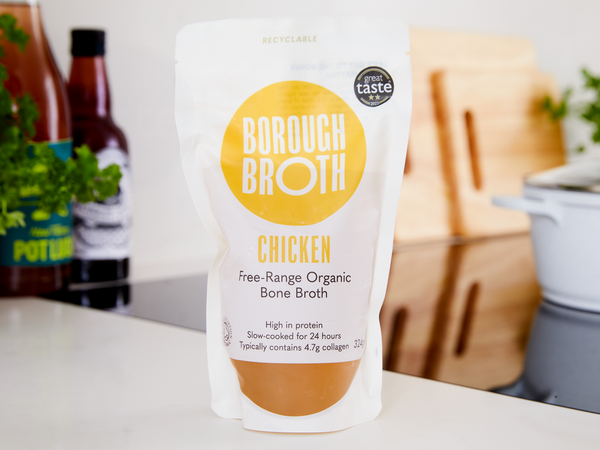
If you don’t want to make gravy from scratch, get a good-quality ready-made broth. Our organic chicken bone broth is slow-cooked for 24 hours in a crock pot, resulting in a versatile stock that’s handy for sauces, soups, and gravies.
Light Sides for Balance
If you want to balance out the dish, serve your whole roasted chicken with a crisp green salad, steamed greens, or peas. It helps balance out the richness of the dish. Lemon slices at the table can work nicely. A little squeeze of lemon on carved chicken brightens the finished dish without overpowering it.

Making the Most of Leftovers
One of the best things about cooking a whole chicken is that the effort keeps on rewarding you with extra meals.
Meal Ideas
Use leftover chicken in a sandwich, salad, wrap, pasta, soup, or rice dish. You can also serve chicken cold in a sandwich or salad, and use darker meat in a pie or a curry.
You can use a whole roasted chicken for two or even three meals, which makes the cooking process so worthwhile.
Bone Broth and Stock
Don’t discard the leftover carcass; you can boil it with onion, carrot, celery, and herbs to make chicken stock. That gives you a base for soup, sauces, and future cooking.
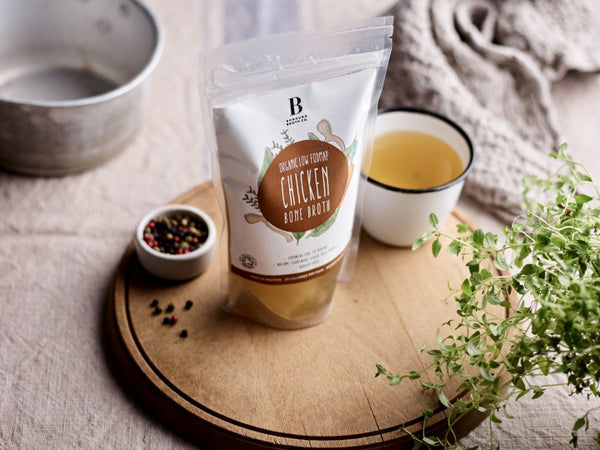
If you don't have time to make the stock yourself, consider our low FODMAP organic chicken bone broth, which is slow-cooked without onions or garlic. We slow-cook our bone broth range using traditional methods, simple ingredients, and careful sourcing.
Frequently Asked Questions
What’s the Best Way to Cook Chicken So It Stays Moist?
Cook the chicken to the proper internal temperature rather than relying on time alone. Insert a thermometer into the thickest part, remove it from the oven when it reads 75°C, and allow it to rest properly. This approach keeps the chicken tender and prevents it from drying out.
Should I Cover a Whole Chicken When Roasting?
Roast the chicken uncovered so the skin can turn crisp and golden. Only cover it loosely with foil if the surface begins to brown too quickly towards the end of cooking.
Can I Add Water to the Pan When Roasting a Chicken?
Avoid adding water to the pan. It creates steam, which softens the skin and prevents it from becoming crispy. Let the chicken cook in its own juices to develop better flavour and texture.
What's the Secret Ingredient that Gives Chicken Most Flavour?
Season generously with good-quality salt. It penetrates the chicken meat, draws out moisture, and helps the skin crisp up beautifully. Build on that base with garlic, herbs, and aromatics for added depth.
What's the Best Salt to Season Chicken With?
Use either flaky sea salt or fine sea salt, depending on your method. Flaky salt works well on the surface for a crisp finish, while fine salt distributes evenly across the chicken meat for consistent seasoning.
Can I Cook Frozen Whole Chicken?
Always thaw the chicken fully before roasting. Cooking from frozen leads to uneven results and increases the risk that the chicken inside won’t cook safely at the same rate as the outside.
How Do I Carve a Roast Chicken?
Start by removing the legs, then the wings, and finally slice the chicken breast across the grain. Resting beforehand makes carving cleaner and helps the chicken meat stay tender.
Conclusion
Learning how to cook a whole chicken is one of those kitchen skills that pays off again and again. It provides you with a dependable roast, versatile leftovers, and a meal that’s plentiful and easy to make. Once you learn how to dry the skin, season it, roast it, and let it rest before carving, it becomes second nature.
The finished dish should be a truly great roast chicken. Although technique is important, so is the quality of the chicken. A well-raised organic chicken improves all aspects of a roast.